FIRST NATIONS
HOUSING CONFERENCE
2026
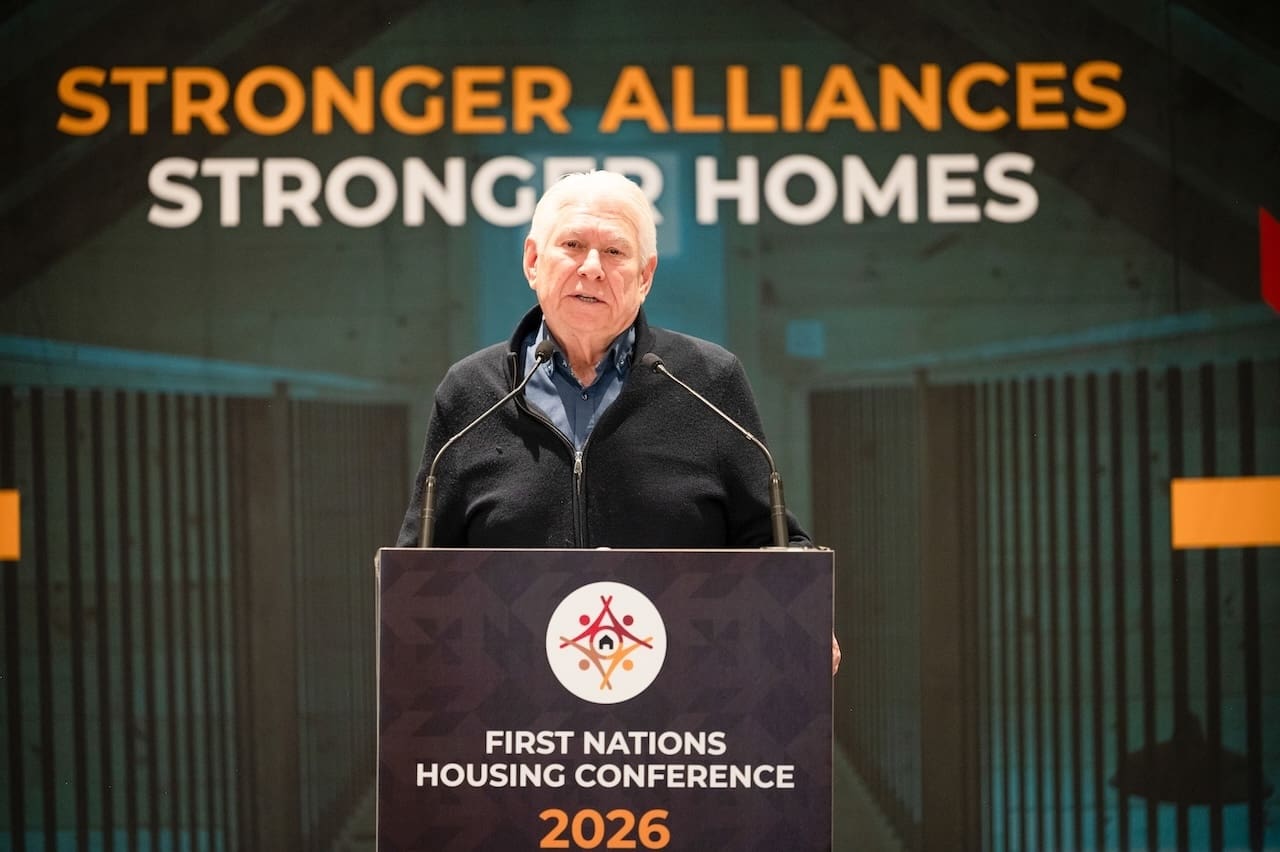
Strong Alliances, Stronger Homes
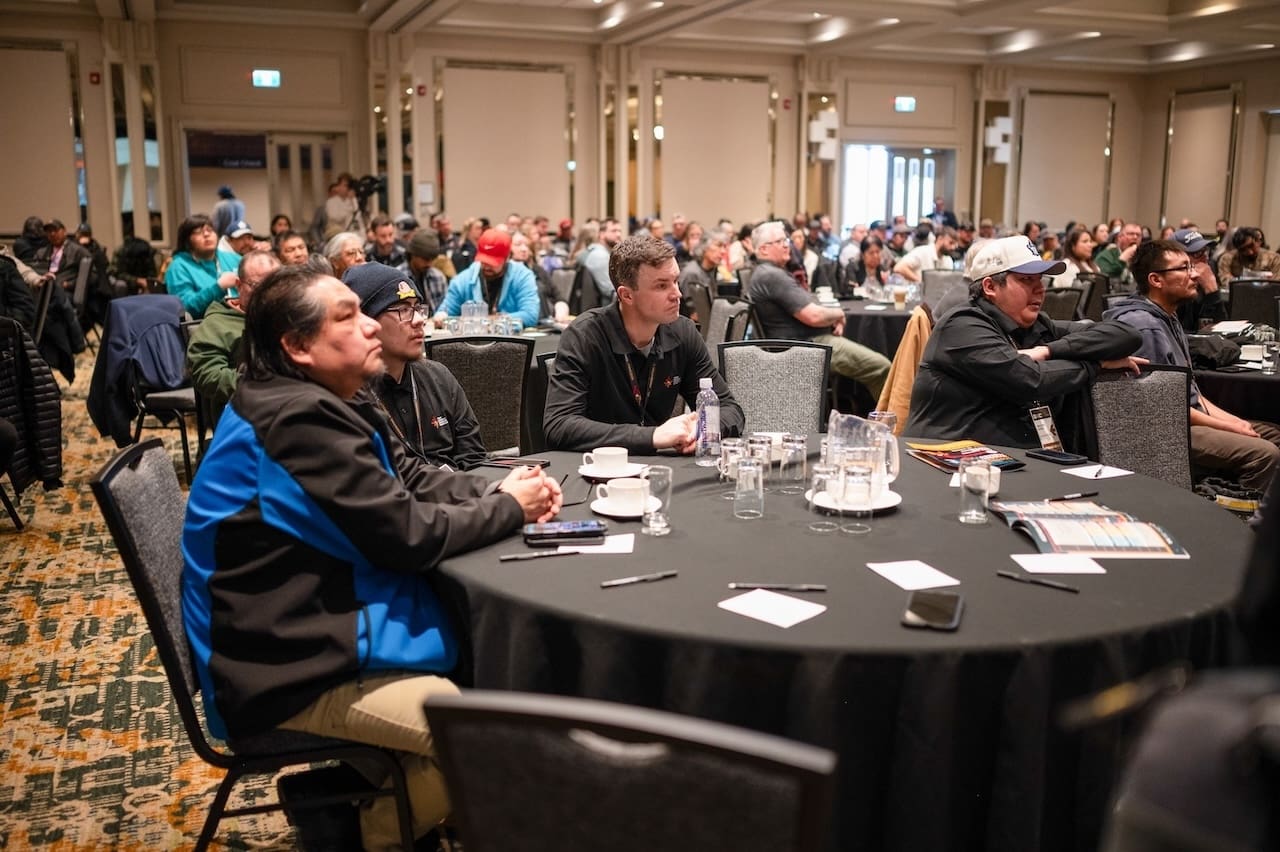
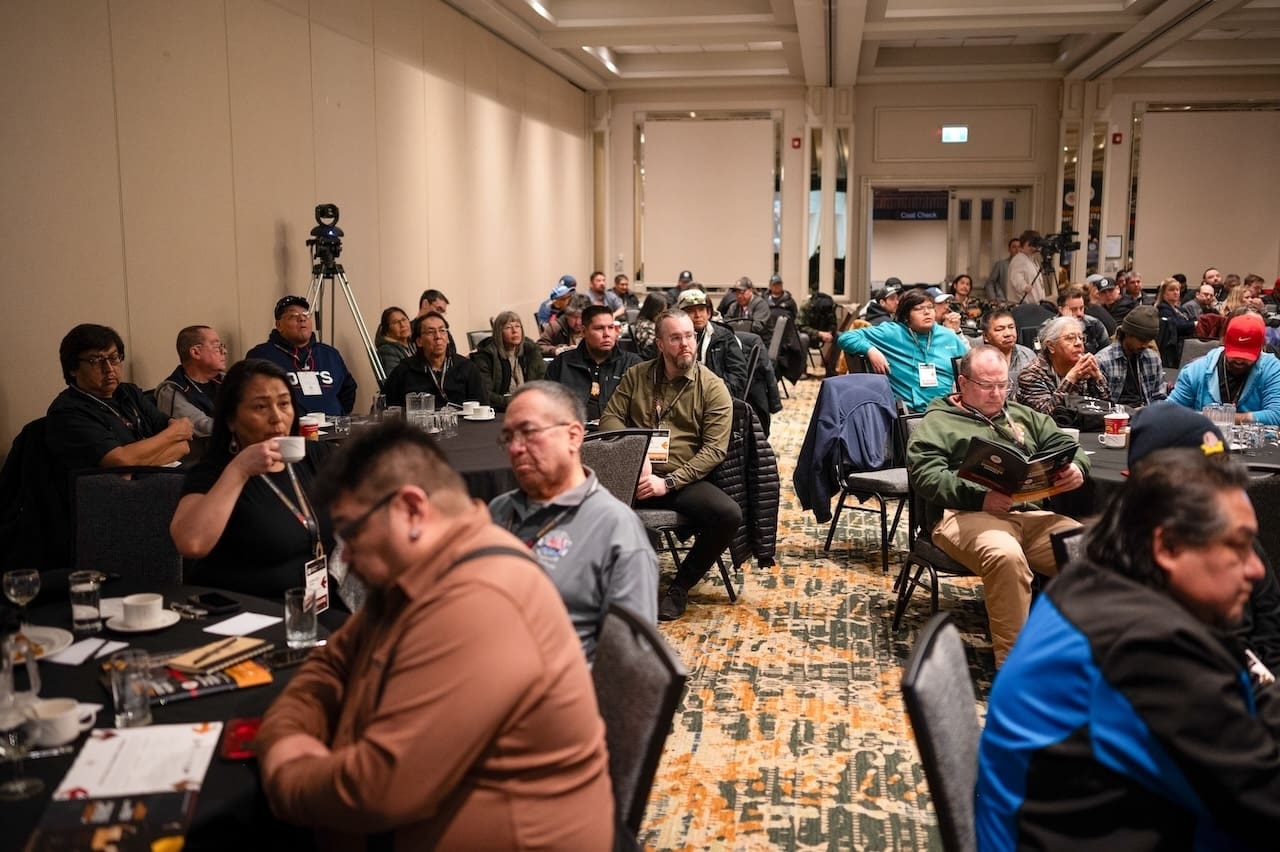
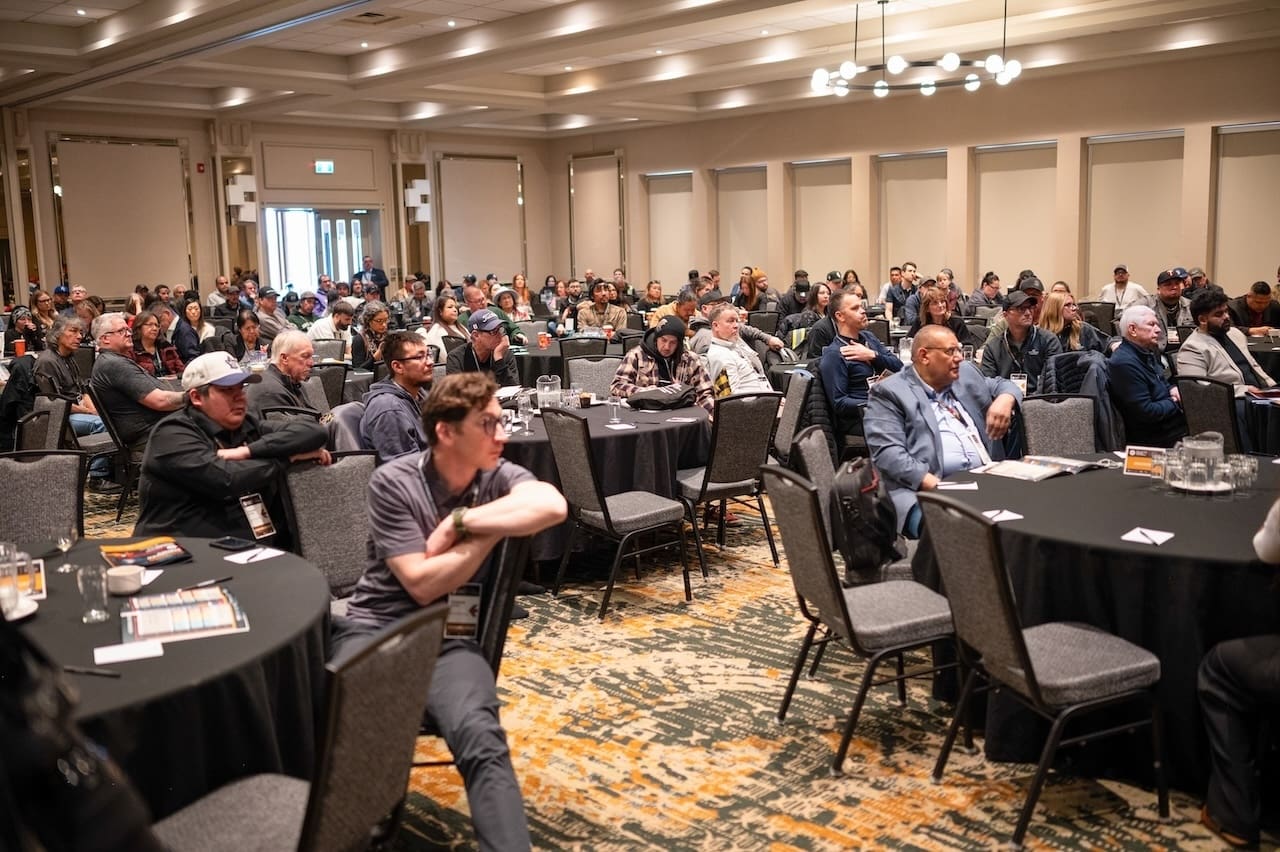
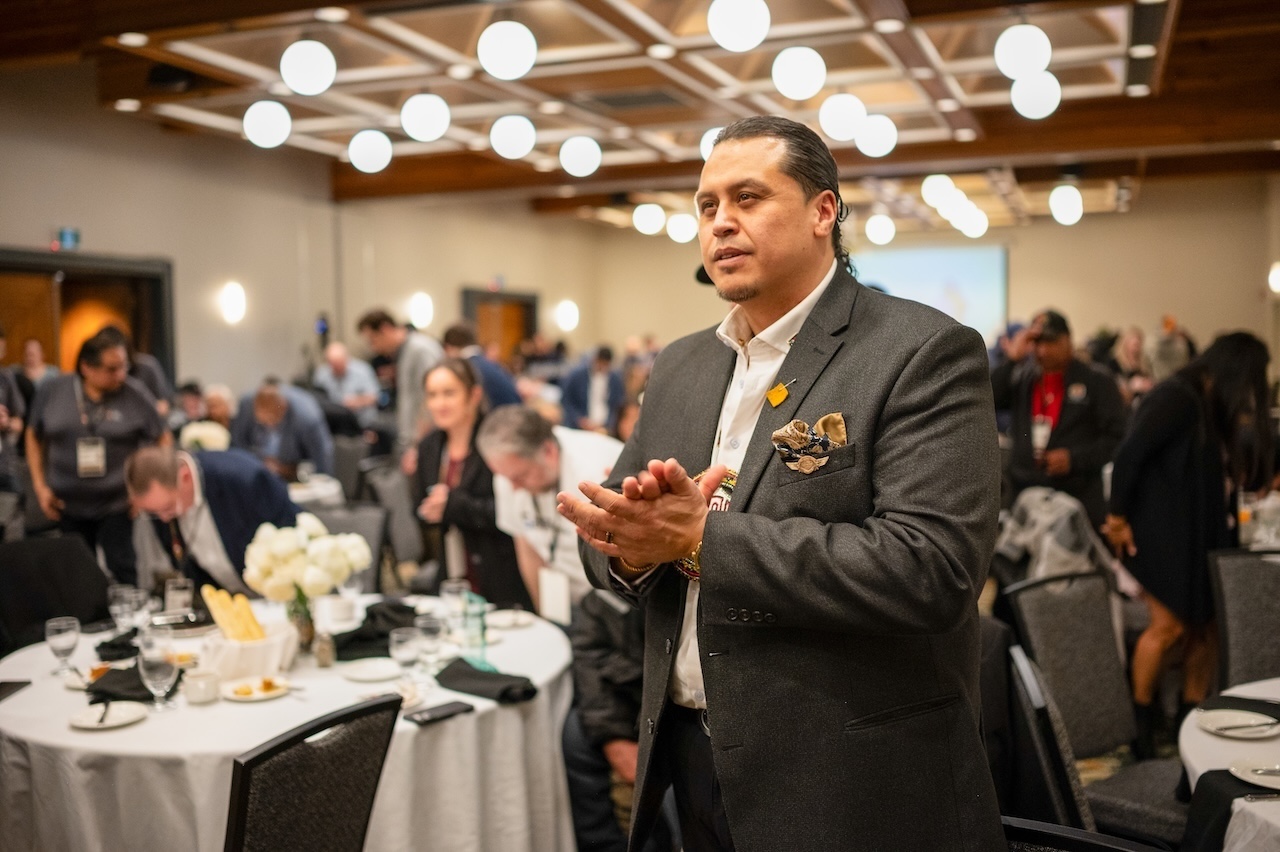
The 23rd First Nations Housing Conference took place on February 24-26, 2026, at the Valhalla Hotel in Thunder Bay, Ontario. The First Nations Housing Conference Community would like to commend funders and sponsors for their continued support and acknowledge the speakers and tradeshow exhibitors that attended and shared their knowledge and expertise. Most importantly, thank you to the delegates that came from across the country to participate in FNHC 2026. The delegates are the reason this Conference has been such a success for the past 23 years! Miigwetch.
Thank you for joining us at the 23rd First Nations Housing Conference dedicated to building First Nations with us! #FNHC2026
AGENDA & SESSIONS
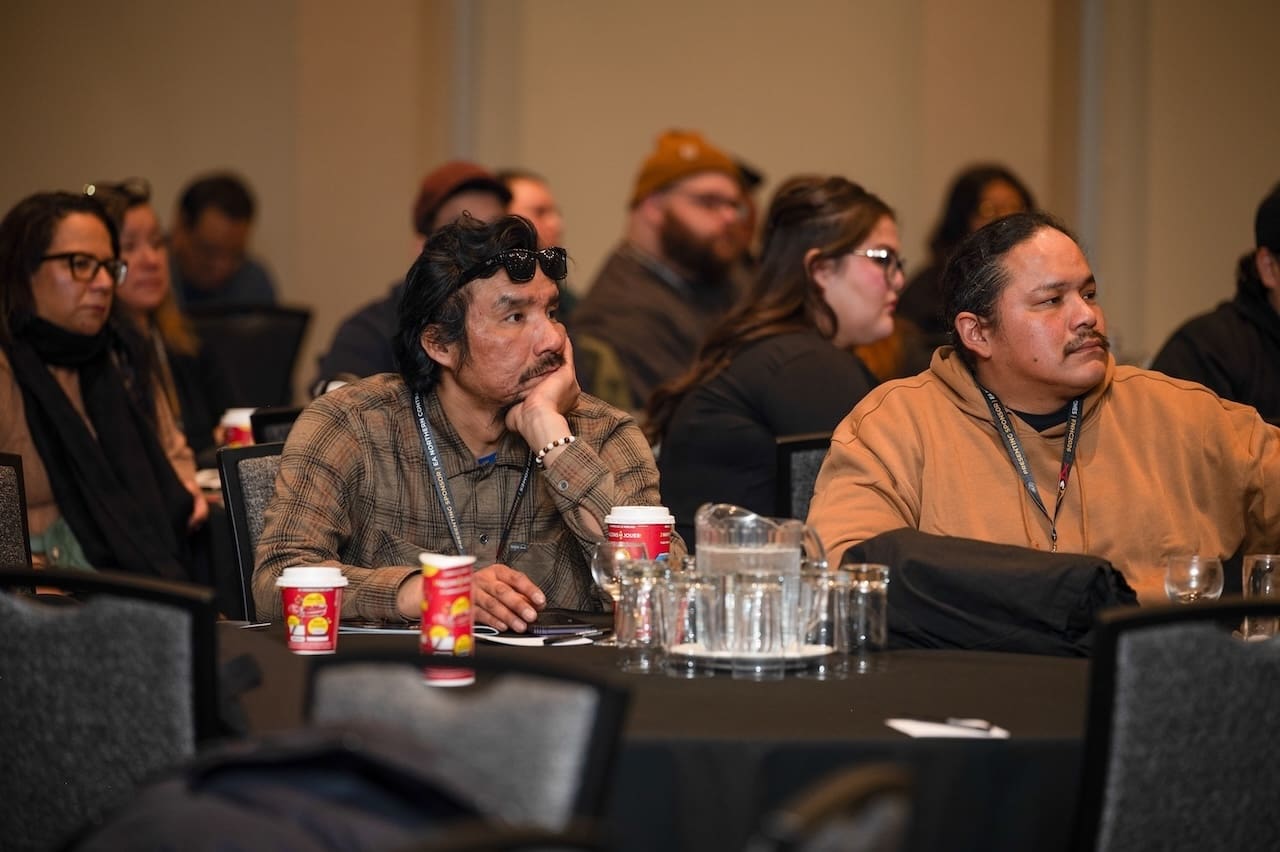
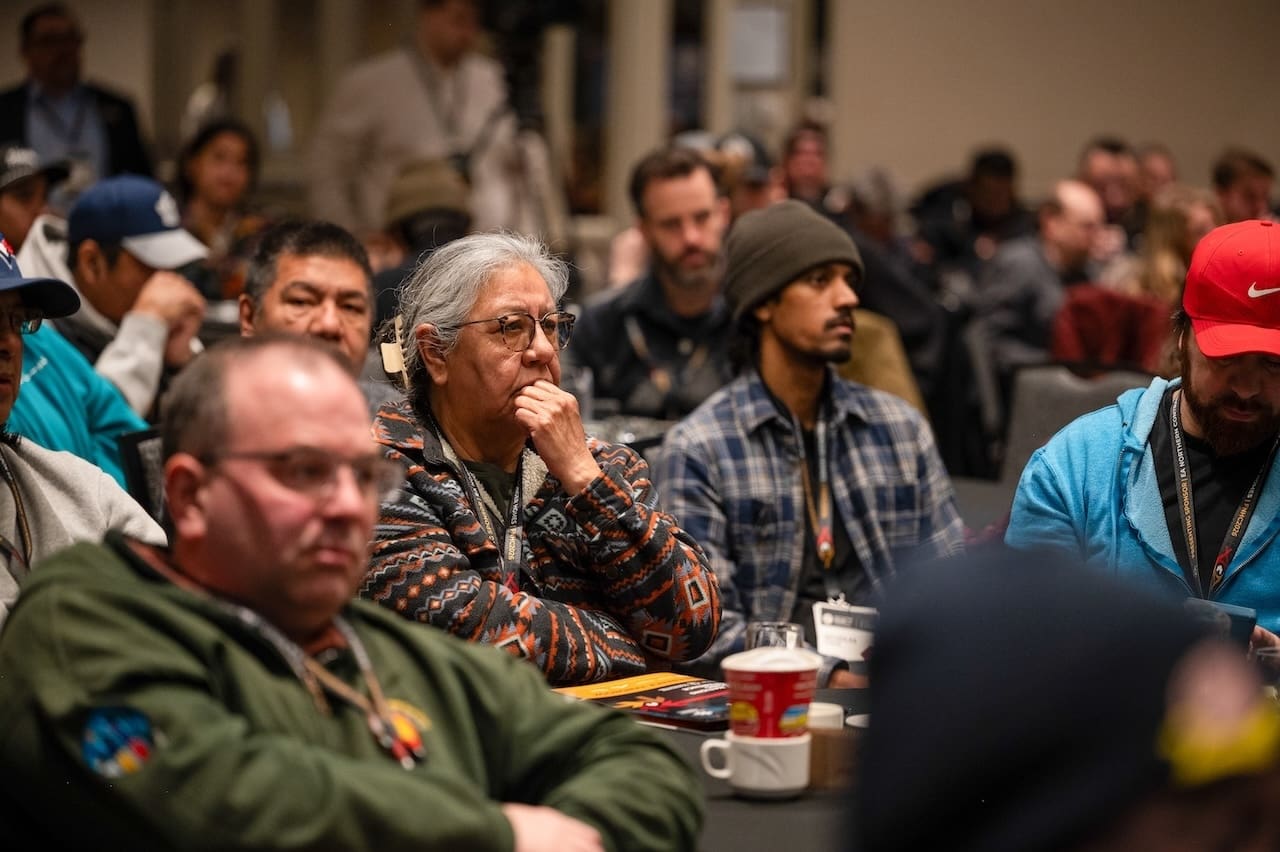
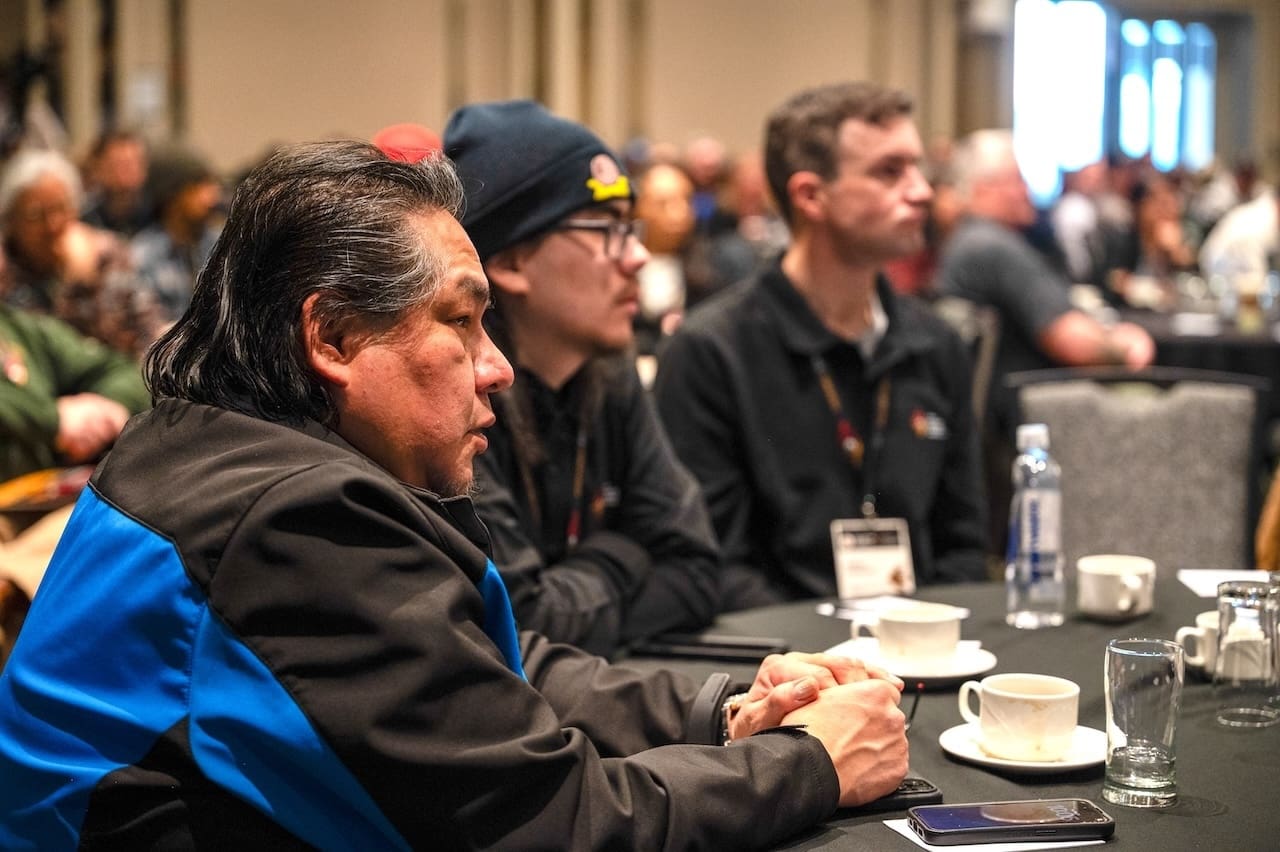
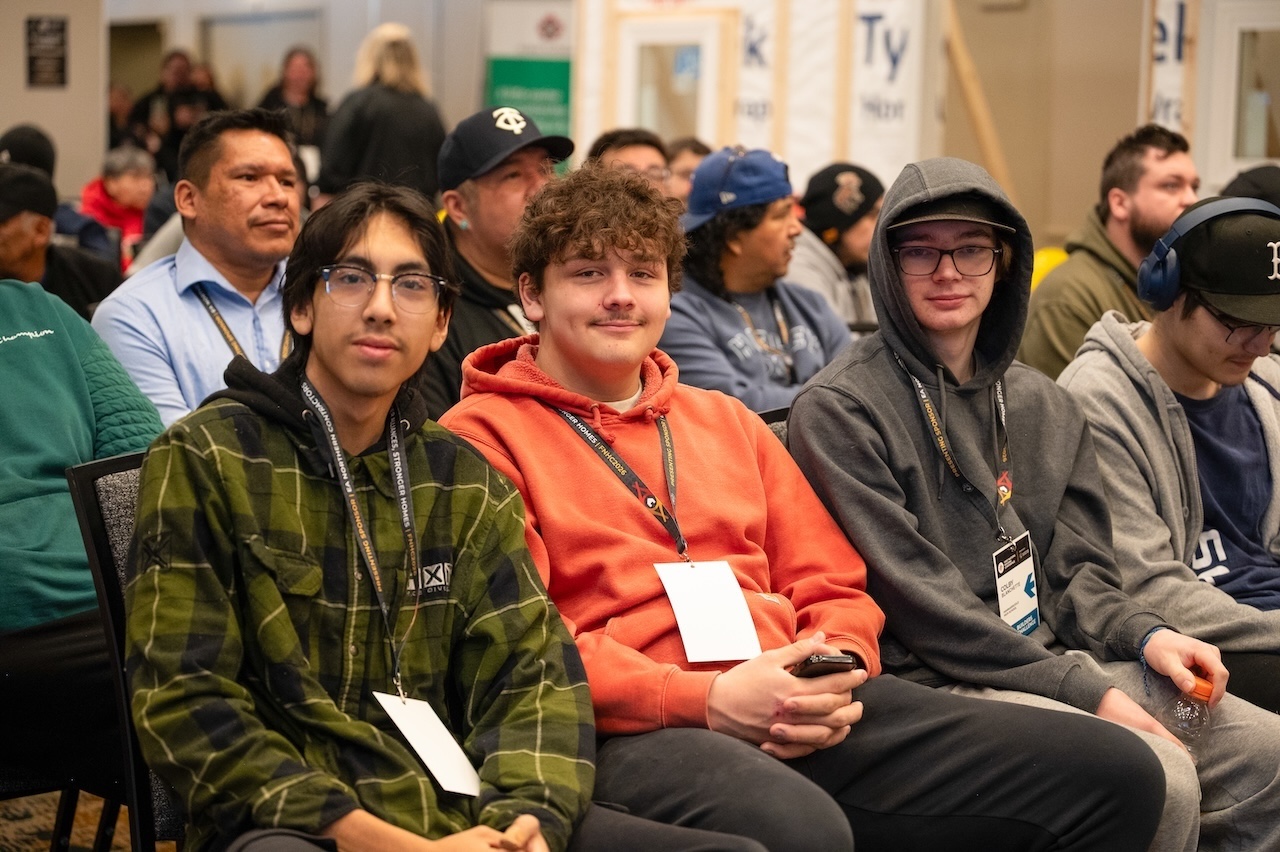
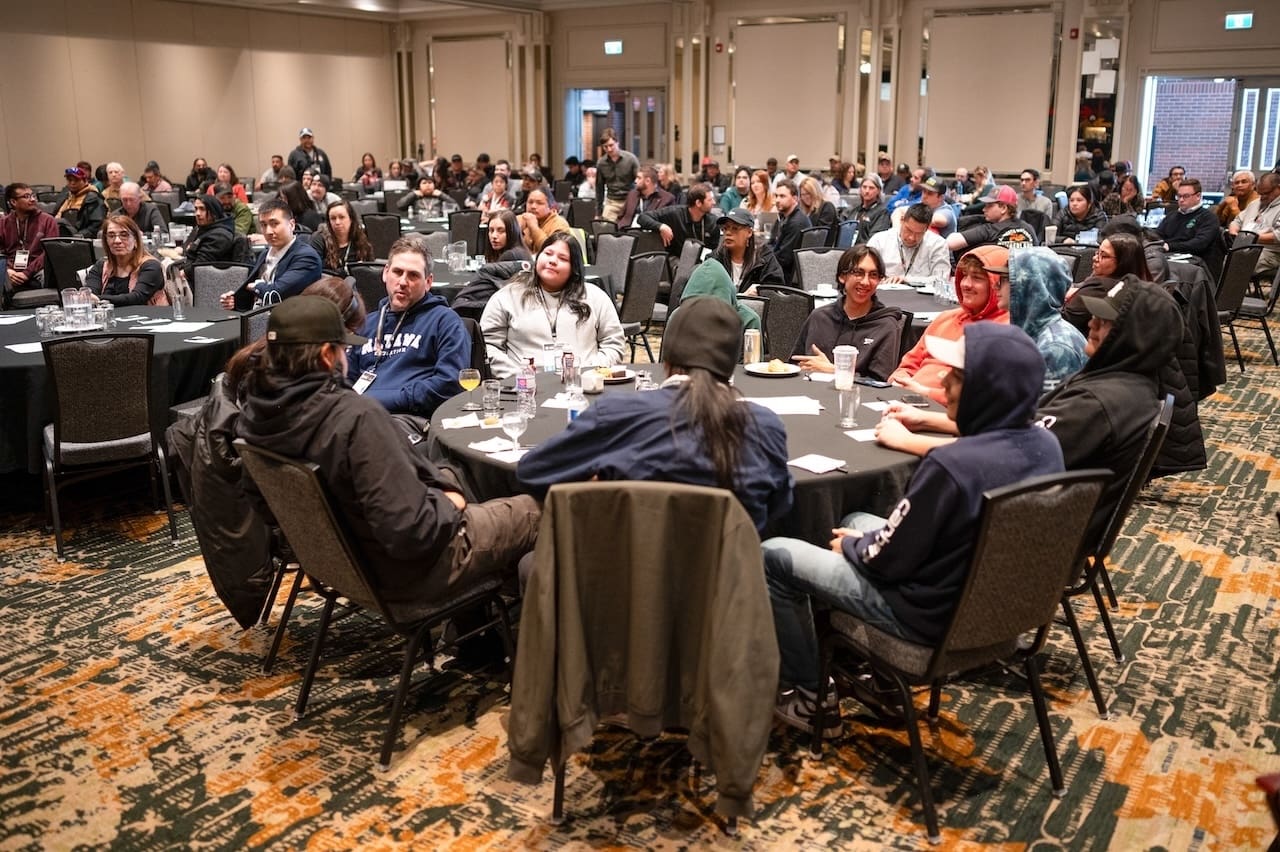
The First Nations Housing Conference 2026 brought together housing leaders, technical experts, administrators, youth, and community representatives from across the country for three days of learning, collaboration, and knowledge sharing.
The program featured three dedicated streams, ensuring that every role involved in First Nations housing had access to relevant training, insights, and practical solutions:
- Technical – Hands-on workshops, building code updates, and impactful solutions
- Administrative – Policy development, funding strategies & applications, and housing management
- Leadership – Strategic planning, community-driven success stories, and long-term housing vision
Together, these sessions reflected the 2026 theme “Stronger Alliances, Stronger Homes.

Registration & Breakfast
8:00 AM – 9:00 AM | Ballroom Foyer & Ballroom 1
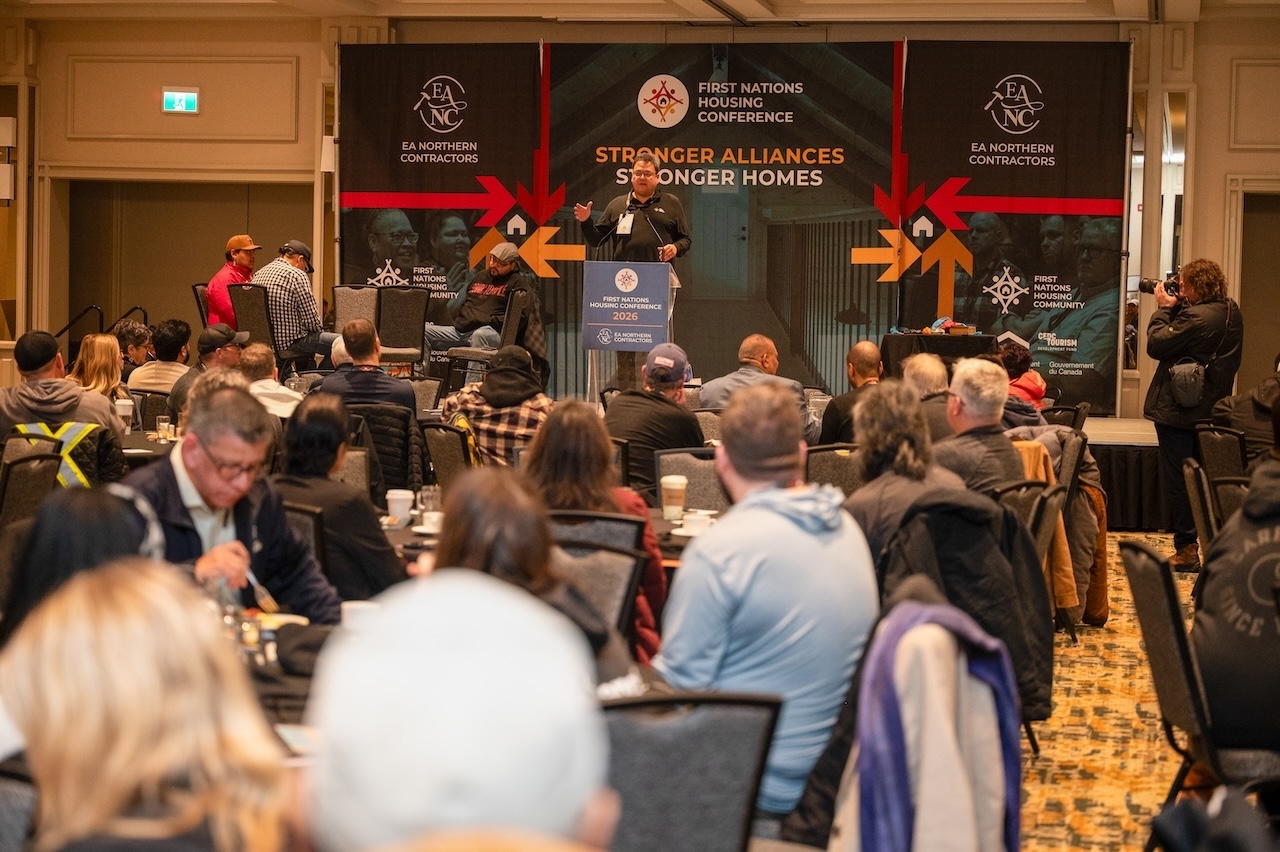
Opening Ceremonies
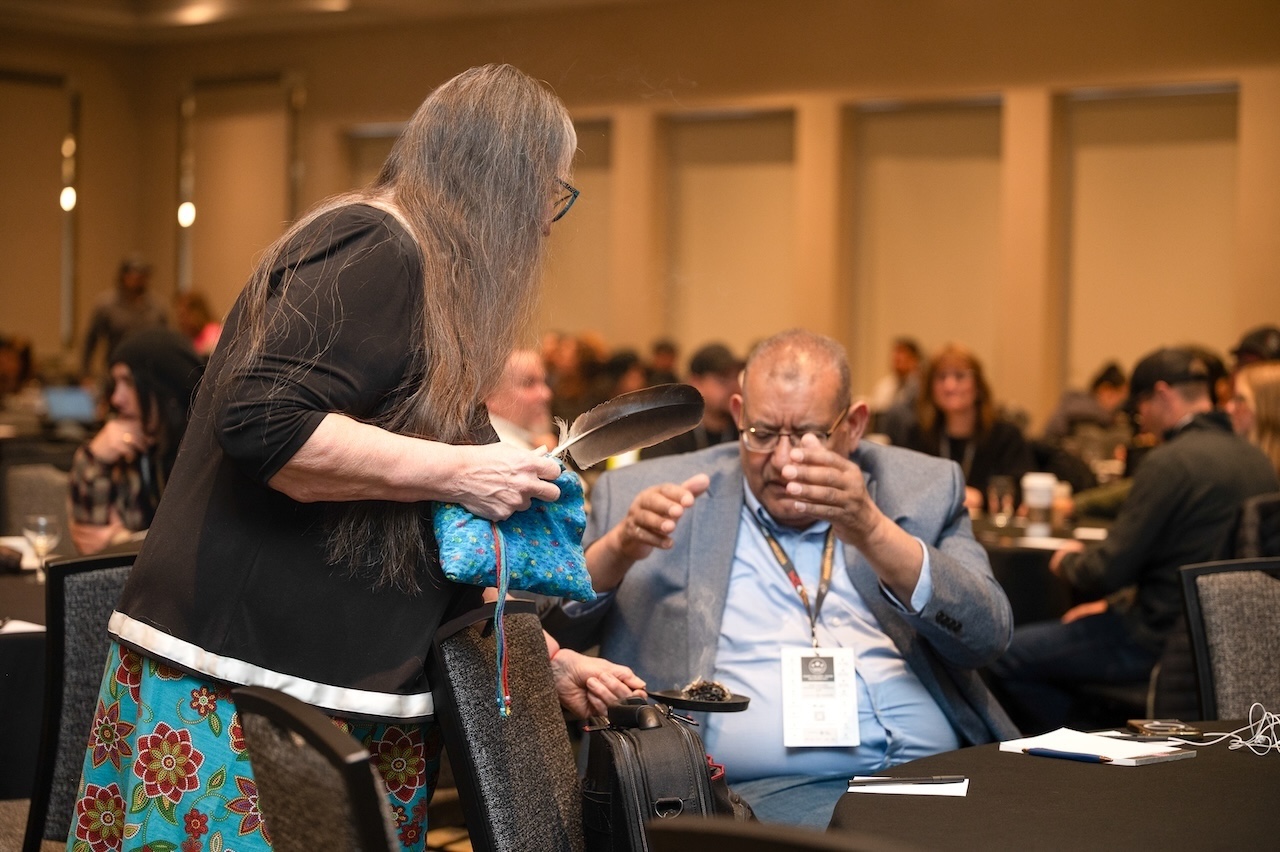
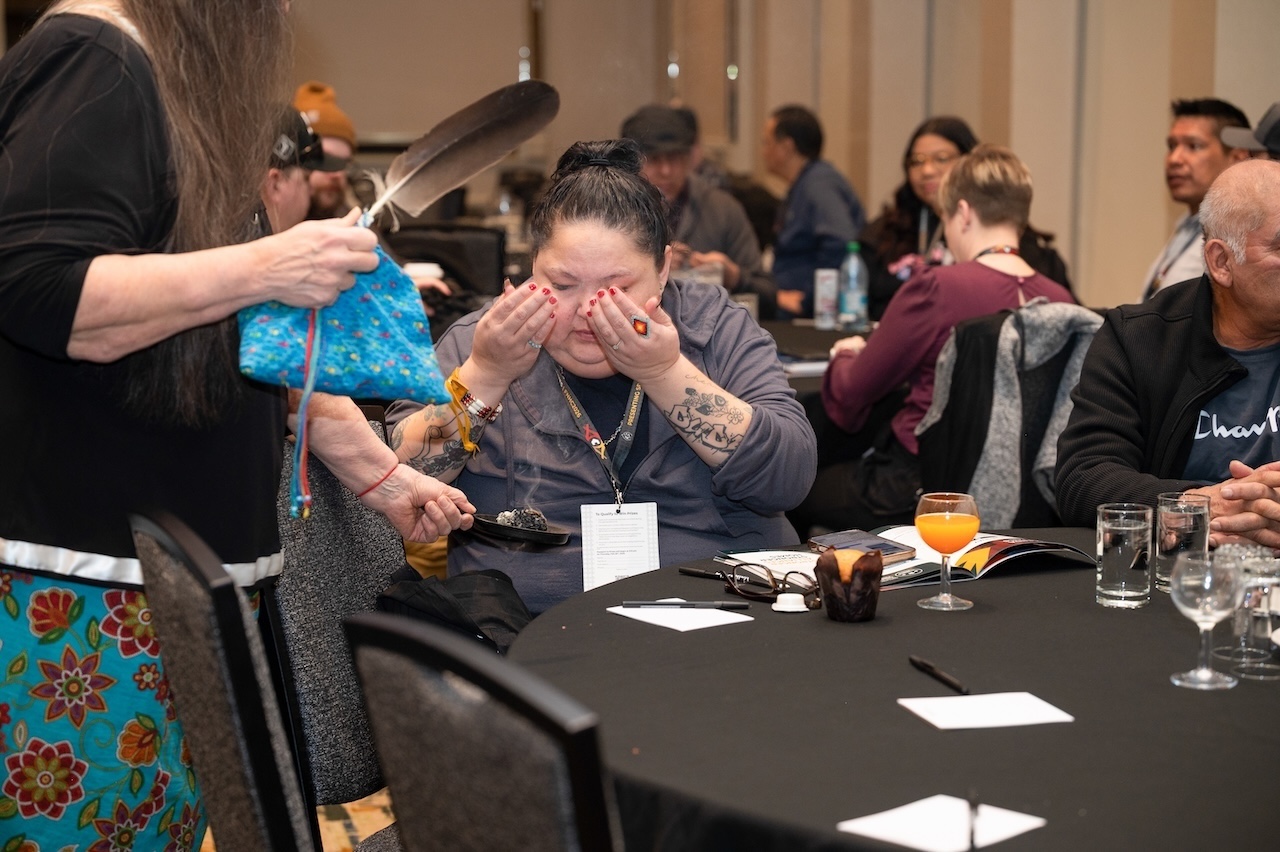
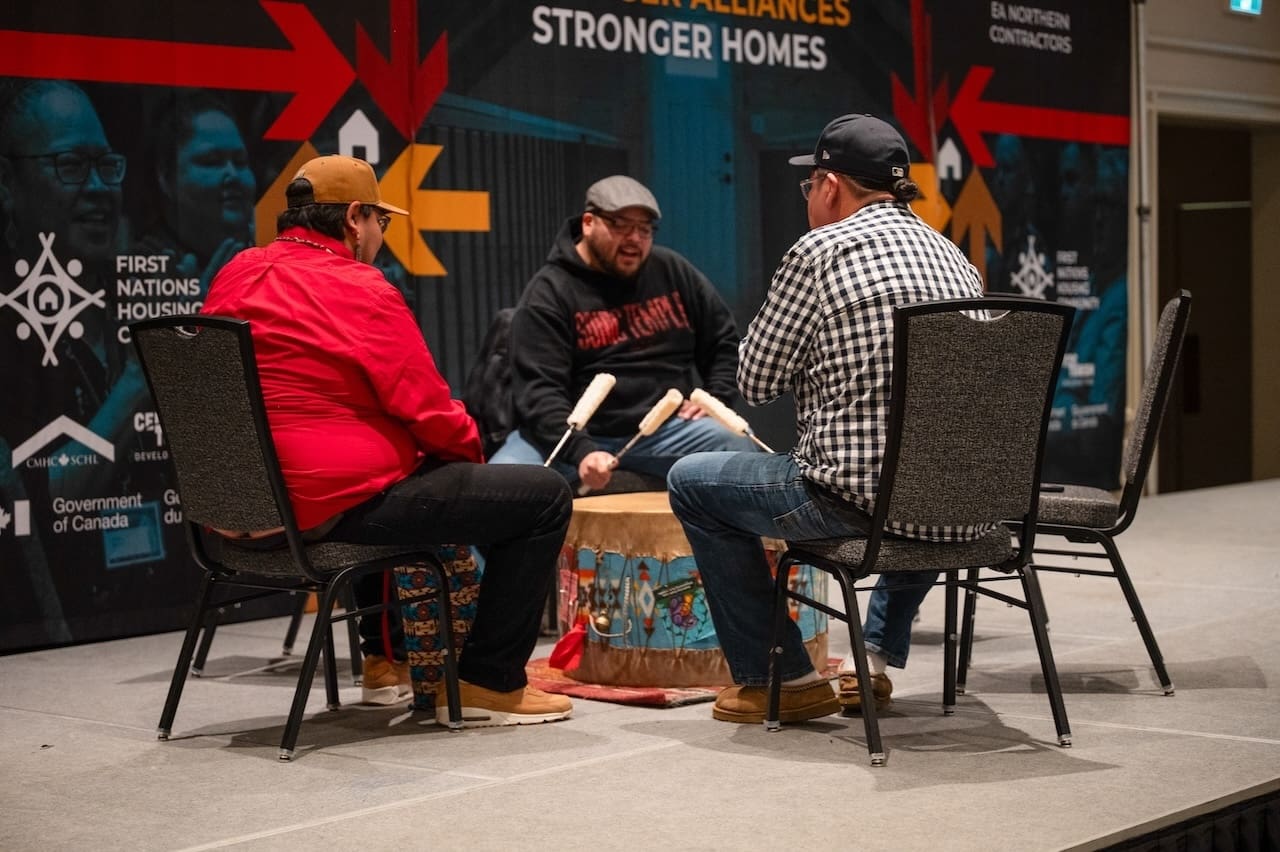
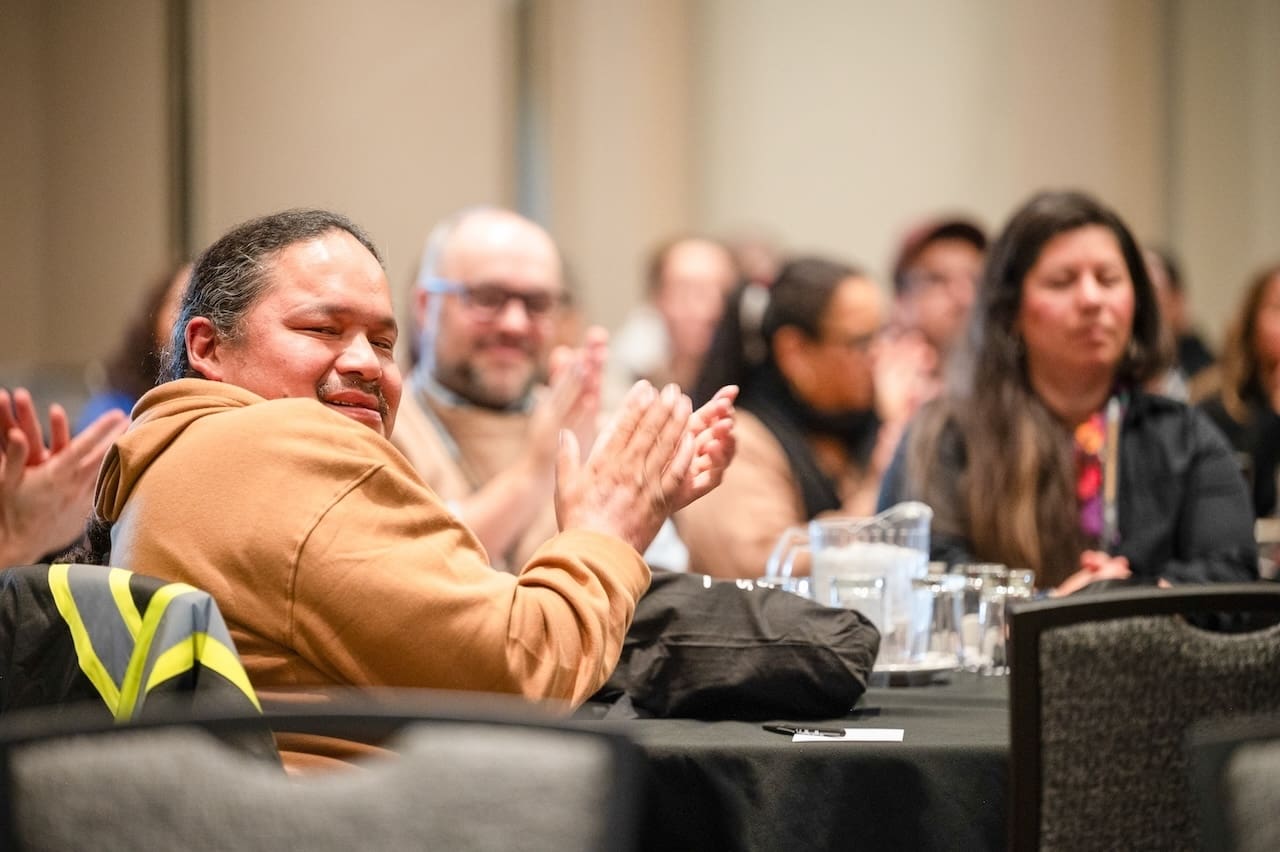
The 3-day conference began with a traditional prayer by Elder Cindy Crowe and a drum performance by the Eagle Boy Drum Group, followed by welcome remarks from distinguished dignitaries.
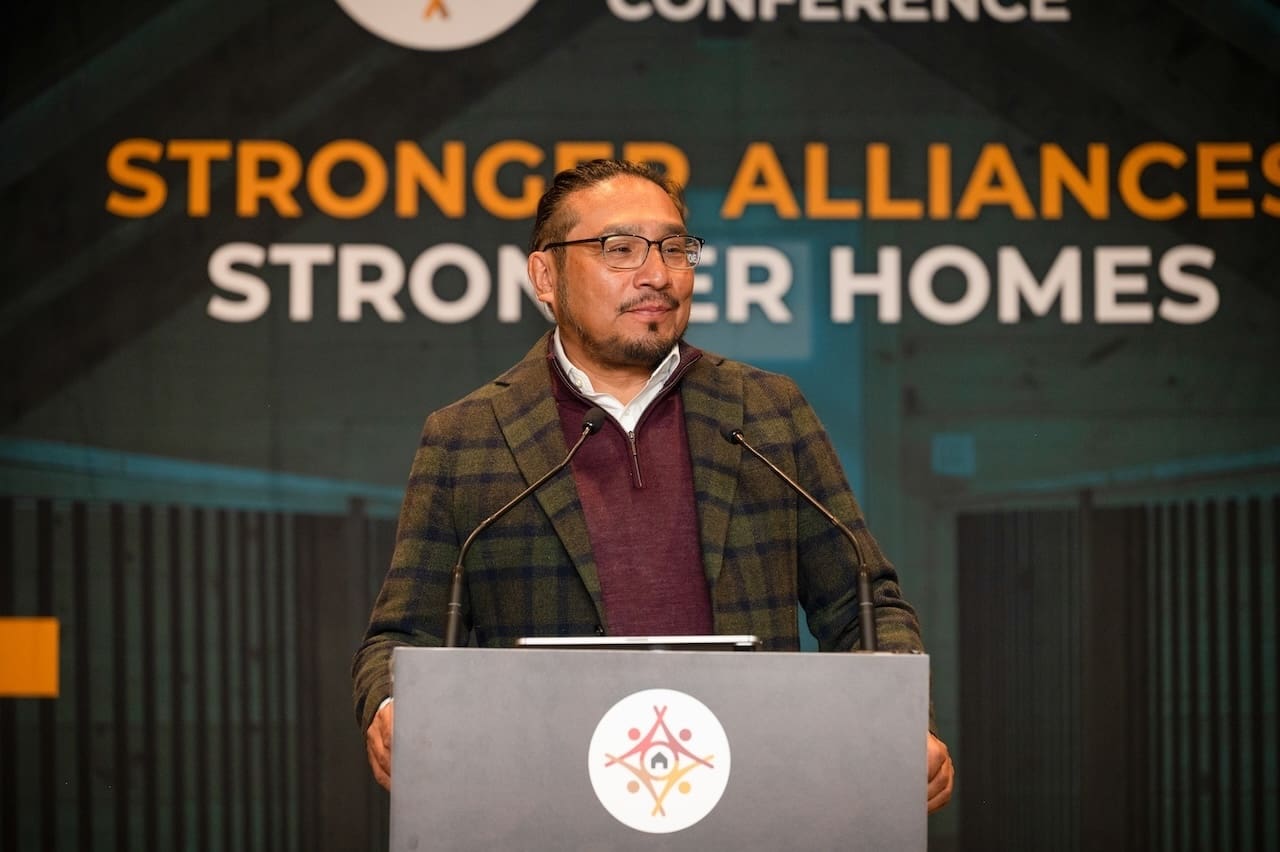
The First Nations Housing Working Group shared key updates and important information, reflecting this year’s theme: “Stronger Alliances, Stronger Homes.”
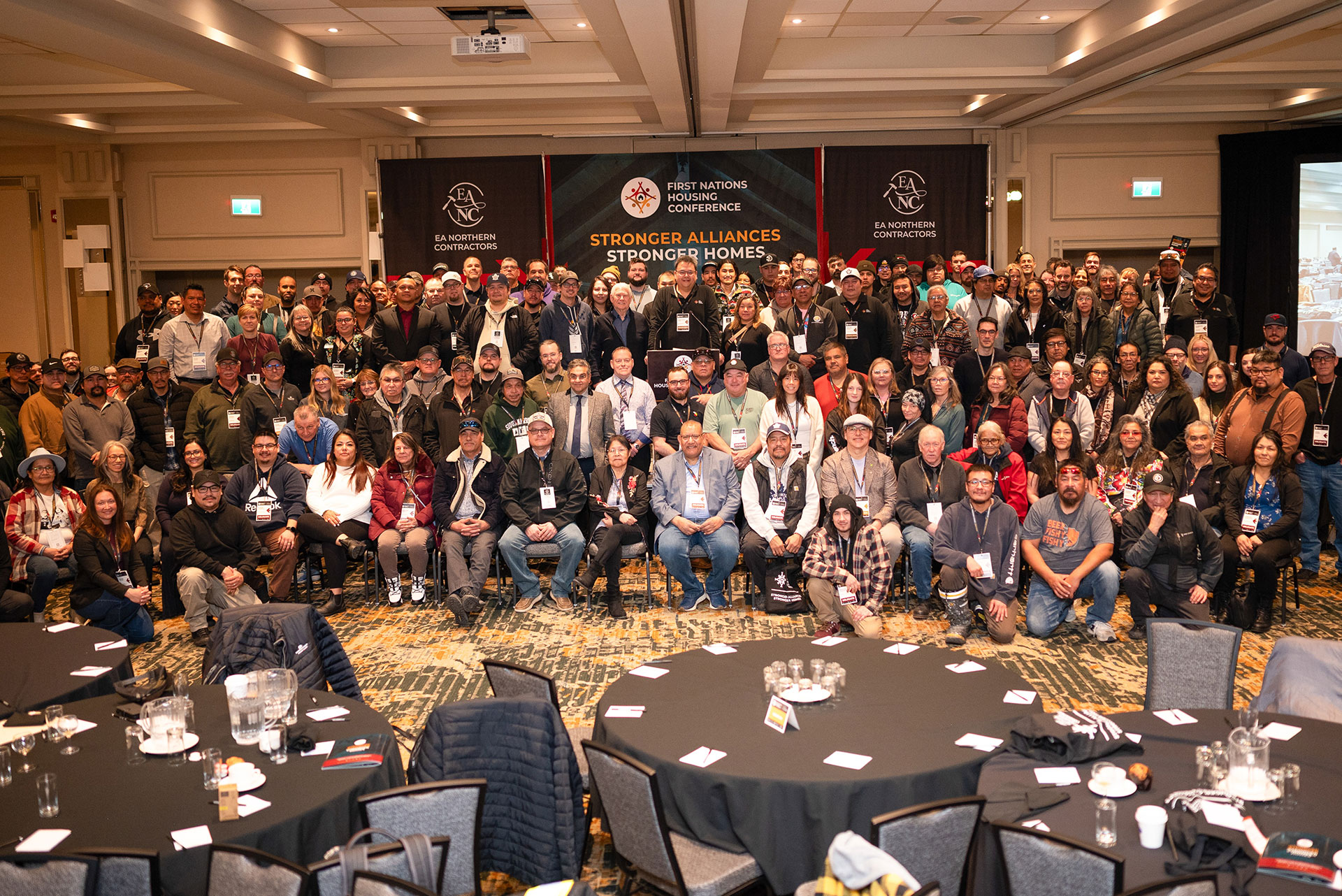
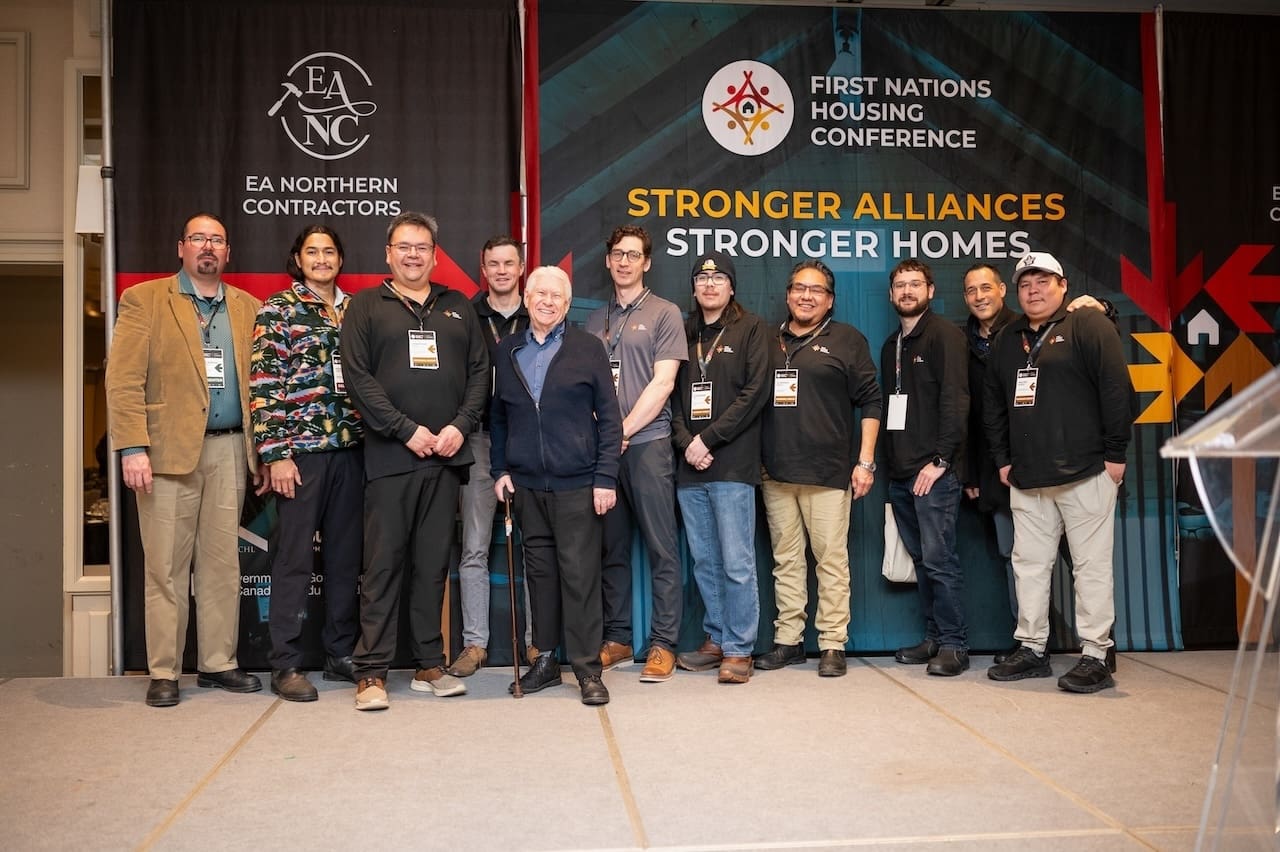
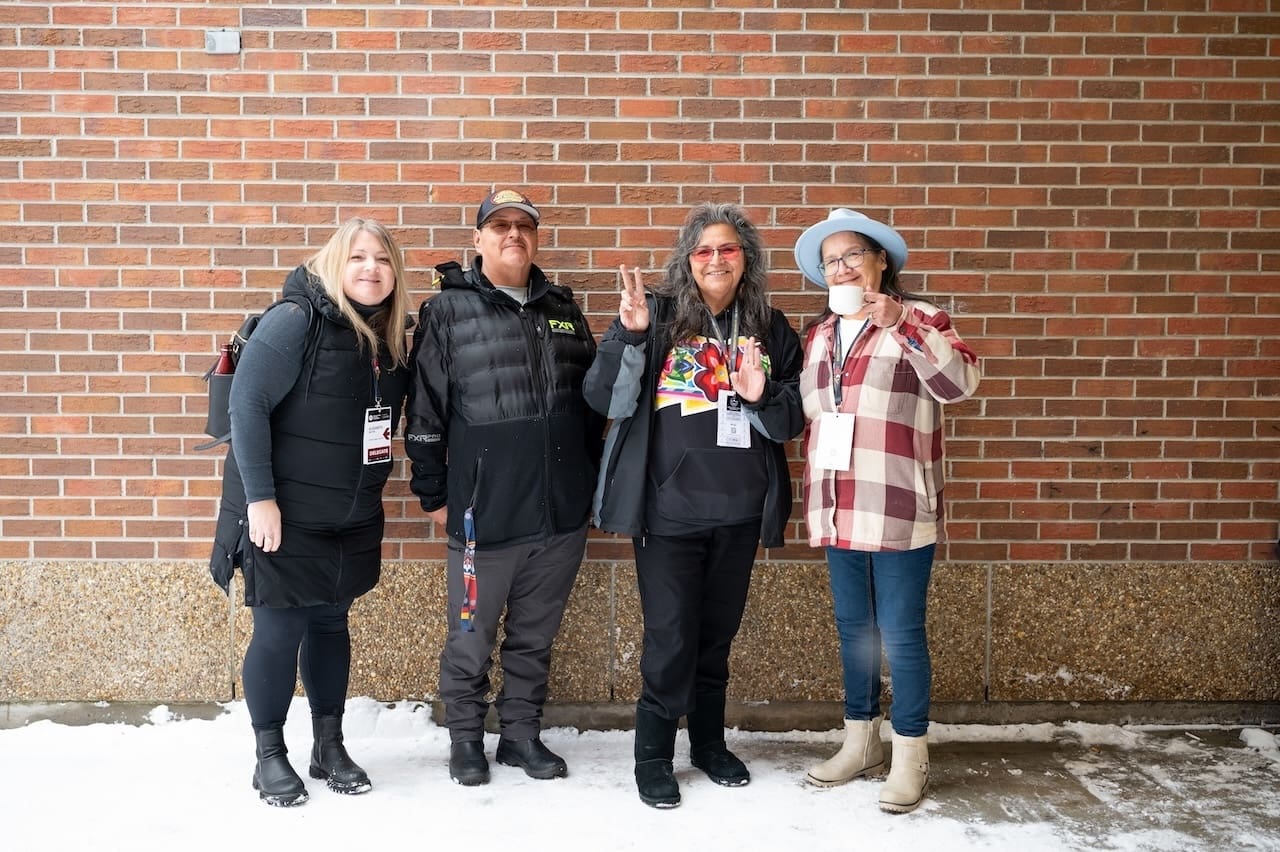
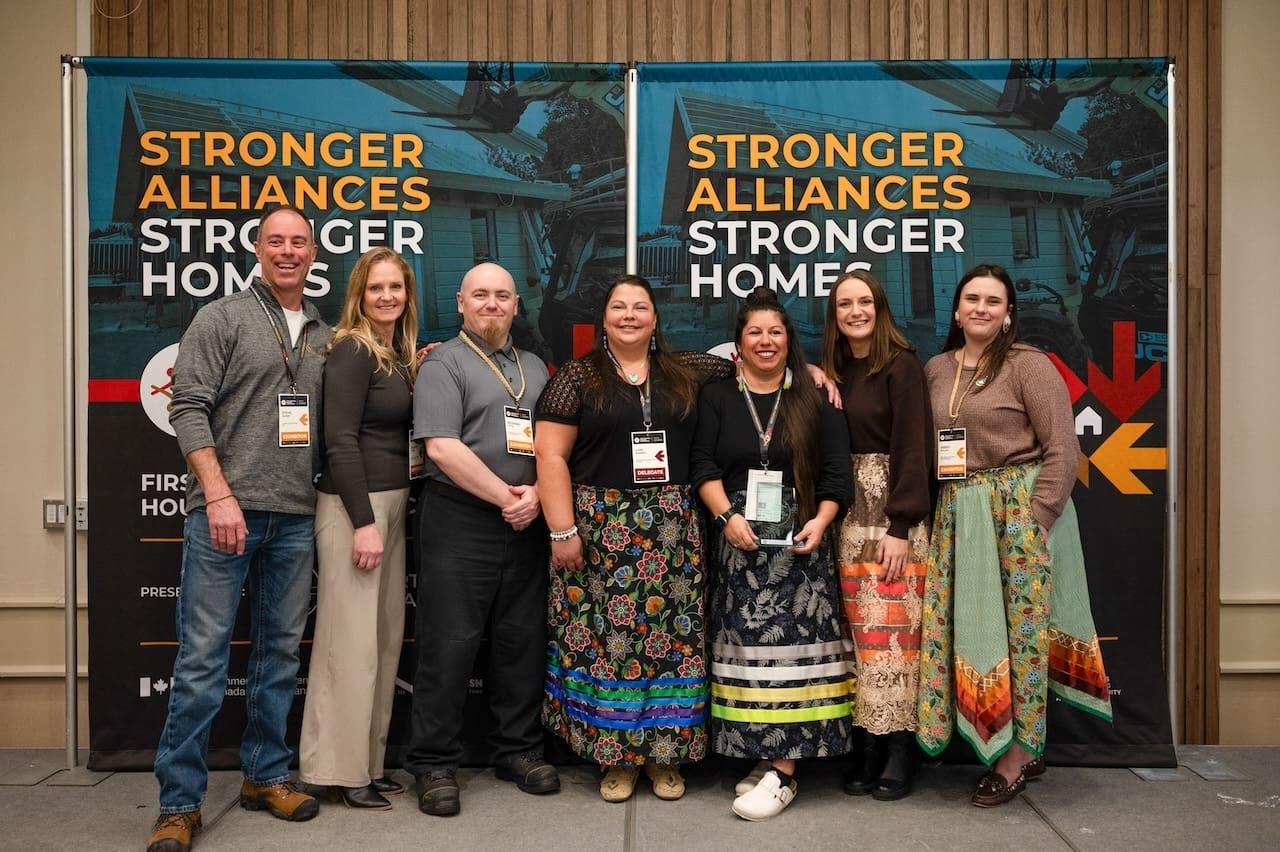
Attendees gathered for the annual Delegate photo — a tradition spanning over 23 years — celebrating the people, communities, and partners driving progress in First Nations housing.
Stronger Alliances, Stronger Homes
First Nations Housing Community
This session opened with a reflection on what meaningful collaboration looks like, followed by a panel discussion exploring how alliances and partnerships can strengthen housing outcomes.
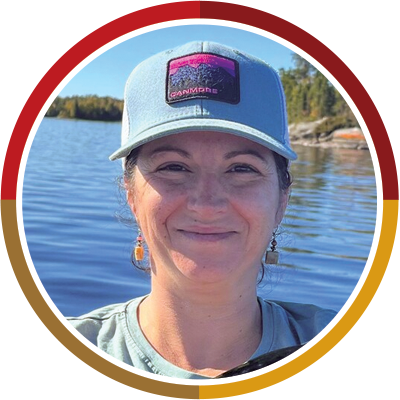
Indoor Air Quality
Amy Montgomery, Indigenous Services Canada
Biography
Amy Montgomery is a Senior Environmental Public Health Officer with Indigenous Services Canada. For over 19 years, she has worked alongside First Nations communities in Northern Ontario, supporting healthier housing and indoor environments. Amy is a Certified Public Health Inspector (Canada) and lives in rural Thunder Bay with family.
Synopsis
Environmental Public Health Services (EPHS) works to contribute to an improved health status of First Nation individuals, families, and communities through the delivery of programming. A healthy indoor environment means that residents have the physical and social conditions necessary for health, safety, hygiene, and comfort. This presentation provided a brief overview of Environmental Public Health Services and discussed common indoor air quality challenges.

Housing Factory Overview
Jonathan Gregg, Independent First Nations Alliance
(Economic Development Group)
Biography
Since 2018, Jonathan Gregg has been a valued member of the Independent First Nations Alliance, serving as Technical Services Manager and Director of Strategic Initiatives. He also stepped into the role of Acting Chief Executive Officer during a pivotal period for the organization, providing steady leadership and guidance.
Jonathan brings over 20 years of experience in the economic development space, with a strong vision for sustainable growth and opportunity across Northern communities. His work is grounded in advancing Nation-driven priorities, strengthening partnerships, and supporting long-term economic prosperity that reflects the goals of IFNA’s member Nations.
Synopsis
Housing Factory Overview provided an introduction to the innovative housing factory project focused on improving efficiency, quality, and scalability in home construction. This session explored how factory-built housing can address supply shortages, reduce construction timelines, and improve housing outcomes for First Nations communities.
Attendees gained insight into the production process, quality control standards, and how this model supports long-term sustainability and housing delivery goals. The presentation also highlighted opportunities for workforce development and community involvement within the housing manufacturing approach.

Necessary Inspections During Contruction
Jody Brinkman, Municipality of Sioux Lookout
Biography
Jody Brinkman worked as a carpenter for 11 years and transitioned to a Municipal Building Inspector in 2009. He has been employed for the Municipality of Sioux Lookout for the last 16 years. Currently he is working as the Manager of Development Services and the Chief Building Official.
Synopsis
This session provided an overview of recommended inspections to be completed at key stages of construction. Participants learned what to look for during specific inspections to help identify issues early and ensure work meets applicable standards and requirements.
The session also highlighted common risks, best practices, and how timely inspections contribute to safer, higher-quality housing outcomes.

Contract Administration
Gary Wood, Independent First Nations Alliance
Biography
Gary Wood is a certified Contract Administrator with over 30 years of engineering and construction experience. His background is extremely diverse, spanning all fields of engineering, construction, and architecture. Over the past 18 months with IFNA, he has inspected more than 400 homes across member Communities. After witnessing the challenges faced by community members, he developed a series of housing packages that include a comprehensive contract document. He built his first house at the age of 16.
Synopsis
This session provided an overview of contracts and contract administration, highlighting why these practices are vital for protecting community interests. The presenter explained the key elements of a strong contract, how proper administration supports project success, and why clear documentation helps prevent misunderstandings, delays, and unnecessary costs.



Digital Tools for Housing: From Vision to Completion
Michael Rose, Shibogama First Nations Council with Jasmine Sohal and Bryan Minhinnett, ESRI
Biography
Michael Rose is a dedicated GIS Specialist at the Shibogama First Nations Council in Sioux Lookout, Ontario. He has an Advanced Diploma in Interactive Media Development from Confederation College, and a post-graduate certificate in GIS from Fleming College. With two years of experience in his current role, Michael works closely with members of the Shibogama First Nations to build GIS capacity and integrate GIS technology into existing workflows.
Jasmine Sohal is a seasoned geospatial professional with over 15 years in the industry and a decade at Esri Canada. Based in Toronto, Jasmine currently serves as a Team Lead in Technical Solutions, where she combines strategic insight, technical depth, and collaborative leadership to support users across a wide range of industries throughout Ontario.
Bryan Minhinnett is an Account Manager with Esri Canada and has over a decade of experience supporting clients with location intelligence and digital mapping. He works closely with First Nations, Indigenous organizations, and small to mid-size municipalities across Ontario.
Synopsis
Managing a housing project, whether a single house or a new community build, from start to finish is a complicated task. From visualization to final construction, there are many steps, processes, and parties involved.
This session explored innovative and modern technologies being used by communities across Canada to make the development of housing infrastructure easier to visualize, manage, and monitor. Participants learned how these tools can support more effective and timely decision-making, streamline building processes, and improve visibility and transparency around project progress for project managers, workers, community members, and the public.
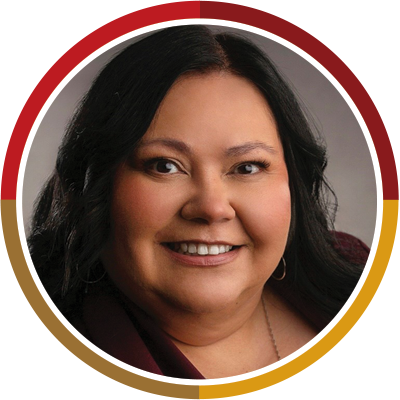

Alternative Funding Opportunities for First Nations
Jennifer Martin & Nancy Pine, First Nations Market Housing Fund
Biography
Jennifer Martin is a Senior Program Officer with the First Nations Market Housing Fund. Having joined the team in January 2023, she brings a wealth of experience from having worked with the Fund during her tenure in the community of Membertou – from the application process to developing market-based housing programs in community. Jennifer is a proud Mi’kmaq woman from Membertou in Nova Scotia, having served her community for 20 years as Finance Clerk, Quality Assurance Coordinator and Policy Coordinator.
Jennifer holds a Certified Aboriginal Professional Administrator (CAPA) designation from AFOA Canada and a First Nation Housing Professional (FNHP) designation from the First Nations Housing Professionals Association. She also serves on the Board of Directors for AFOA Atlantic and the Nova Scotia Native Women’s Association.
Nancy Pine, Associate Program Director for the Eastern Region at the First Nations Market Housing Fund (FNMHF), is a committed advocate for Indigenous rights, relations, and well-being. In her role, Nancy assesses First Nations’ applications and provides recommendations for participation in the Fund’s programs, focusing on Credit Enhancement and Capacity Development.
With an impressive career path spanning Canada’s Truth & Reconciliation Commission, Assembly of First Nations, federal Indigenous Affairs Minister’s team, and experience as a broadcast journalist, as well as serving her own First Nation, Nancy brings invaluable expertise to her work.
Synopsis
This session provided an overview of the First Nations Market Housing Fund (FNMHF), including its mandate, governance structure, and role in supporting First Nations access to market housing. It outlined the key programs and services offered by the Fund, highlighting how communities can leverage these tools to strengthen housing capacity, reduce risk, and support sustainable homeownership initiatives.
Strategic Leadership
Jonathan Gregg, Independent First Nations Alliance (IFNA)
Biography
Since 2018, Jonathan Gregg has been a valued member of the Independent First Nations Alliance, serving as Technical Services Manager and Director of Strategic Initiatives. He also stepped into the role of Acting Chief Executive Officer during a pivotal period for the organization, providing steady leadership and guidance.
Jonathan brings over 20 years of experience in the economic development space, with a strong vision for sustainable growth and opportunity across Northern communities. His work is grounded in advancing Nation-driven priorities, strengthening partnerships, and supporting long-term economic prosperity that reflects the goals of IFNA’s member Nations.
Synopsis
This session explored how strong, values-driven leadership can shape long-term housing success in First Nations communities. Jonathan Gregg discussed practical strategies for aligning vision, governance, and operational planning to support sustainable growth and effective decision-making.
The session focused on building resilient leadership structures, strengthening accountability, and navigating complex challenges with clarity and confidence. Participants left with actionable insights to enhance leadership capacity within their own organizations and communities.
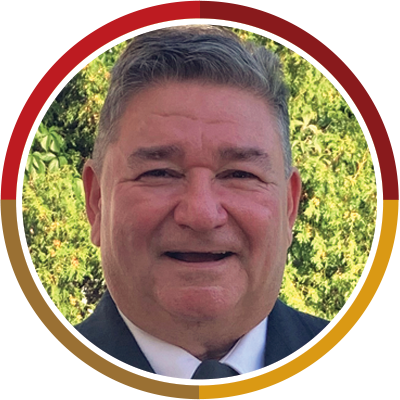
Advancing Fire Safety in the Home: A Housing-Centered Assessment Approach
Arnold Lazare, National Indigenous Fire Safety Council (NIFSC)
Home Safety Assessment Tool 2026.pdf
Home Safety Assessment Guide 2026.pdf
Biography
Arnold Lazare is from the Mohawk community of Kahnawake. He is a member of the Kahnawake Fire Brigade and is honored to continue serving in his 47th year. He was a paramedic for 30 years and Fire Chief for 17 years. He retired as Director of Public Safety with the Mohawk Council of Kahnawake in 2021. He has been active with the Aboriginal Firefighters of Canada (AFAC) since its inception and worked to transition it to the National Indigenous Fire Safety Council (NIFSC). Arnold is the Indigenous Fire Marshal for Canada and is Interim CEO of NIFSC. Arnold continues to work to make communities safer.
Synopsis
This workshop used the NIFSC’s Home Safety Assessment Form to help home occupants (and fire prevention staff) better understand their role in keeping homes safe.
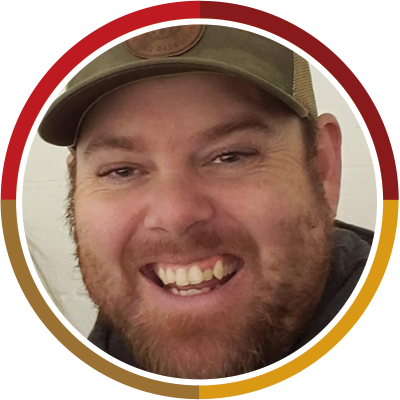

Operational Solution for Water and Wastewater in NAN Territory
Tom Sayers, Windigo First Nations Council & Jamie Saunders, Nishnawbe Aski Nation
Biography
Tom Sayers is and has been the Windigo HUB water/wastewater advisor since 2017. Currently he has a Class 3 certification in water treatment and has a background in Public Works and Water/Wastewater treatment since 2005 in a municipal setting. Other roles with the WFNC technical team also include Fire Protection and Emergency Management. Tom’s operational perspective and experiences look to benefit the development of a collaborative approach, for the provision of clean safe drinking water and wastewater treatment for all communities.
Jamie Saunders is the Infrastructure Manager at Nishnawbe Aski Nation. He has been working on water, wastewater, energy and broadband projects for NAN since 2018. His work in consulting, not for profit and government agencies has helped inform his work with NAN communities. Jamie currently lives in Thunder Bay and enjoys spending time outdoors with family and friends.
Synopsis
Nishnawbe Aski Nation (NAN) has been working with Windigo, Shibogama, IFNA, and Keewaytinook Okimakanak Tribal Councils to investigate the feasibility of managing water and wastewater services for NAN Nations through a First Nations utility.
The current model, where water and wastewater services are owned and operated by individual Nations, has created a significant division of resources and funding, contributing to operator shortages and increased operational risk for Nation leadership. NAN Nations also continue to face some of the highest rates of drinking water advisories in Canada.
Following the mandate of Resolution 25/18 from the 2025 Spring Assembly, NAN’s Infrastructure & Housing team has been exploring this alternative service model to improve the delivery of safe drinking water and support better working conditions for operators and technicians.
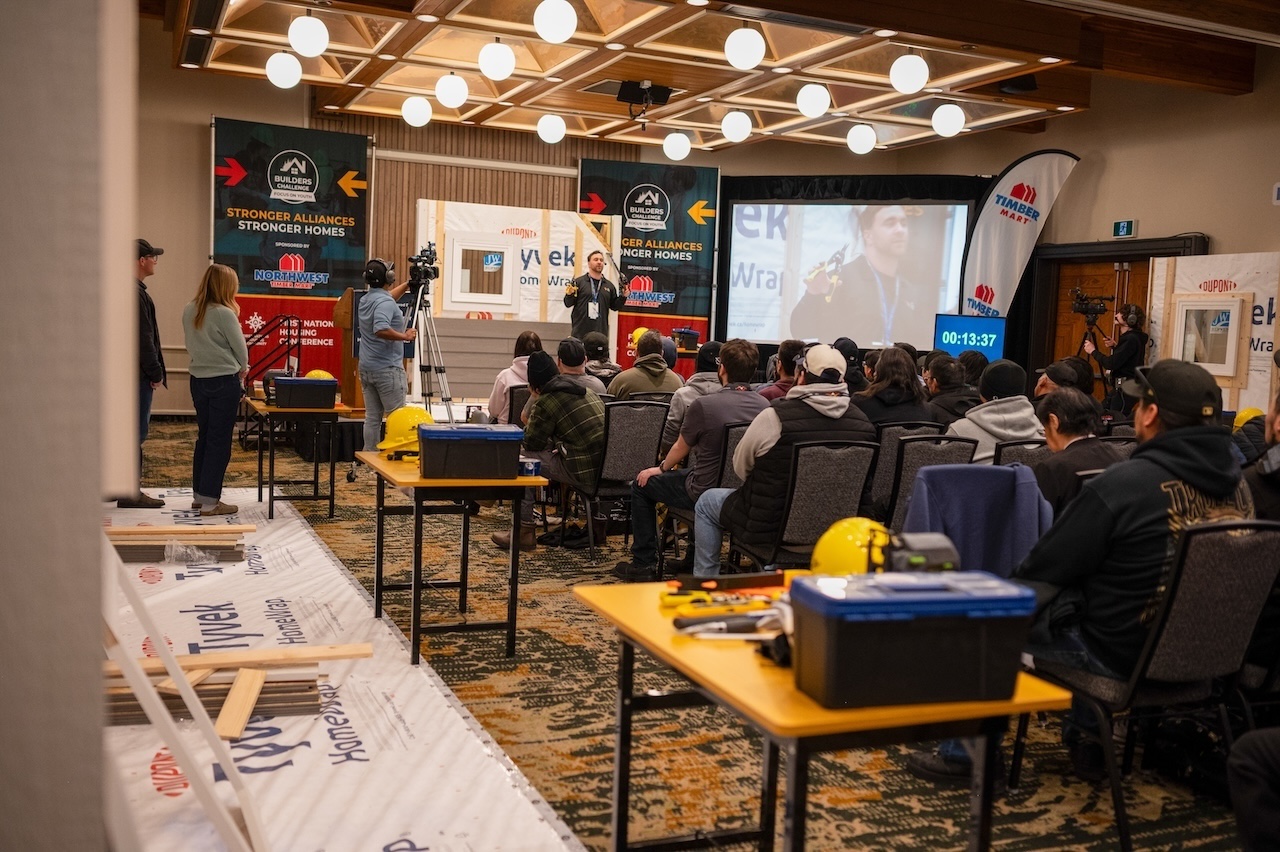
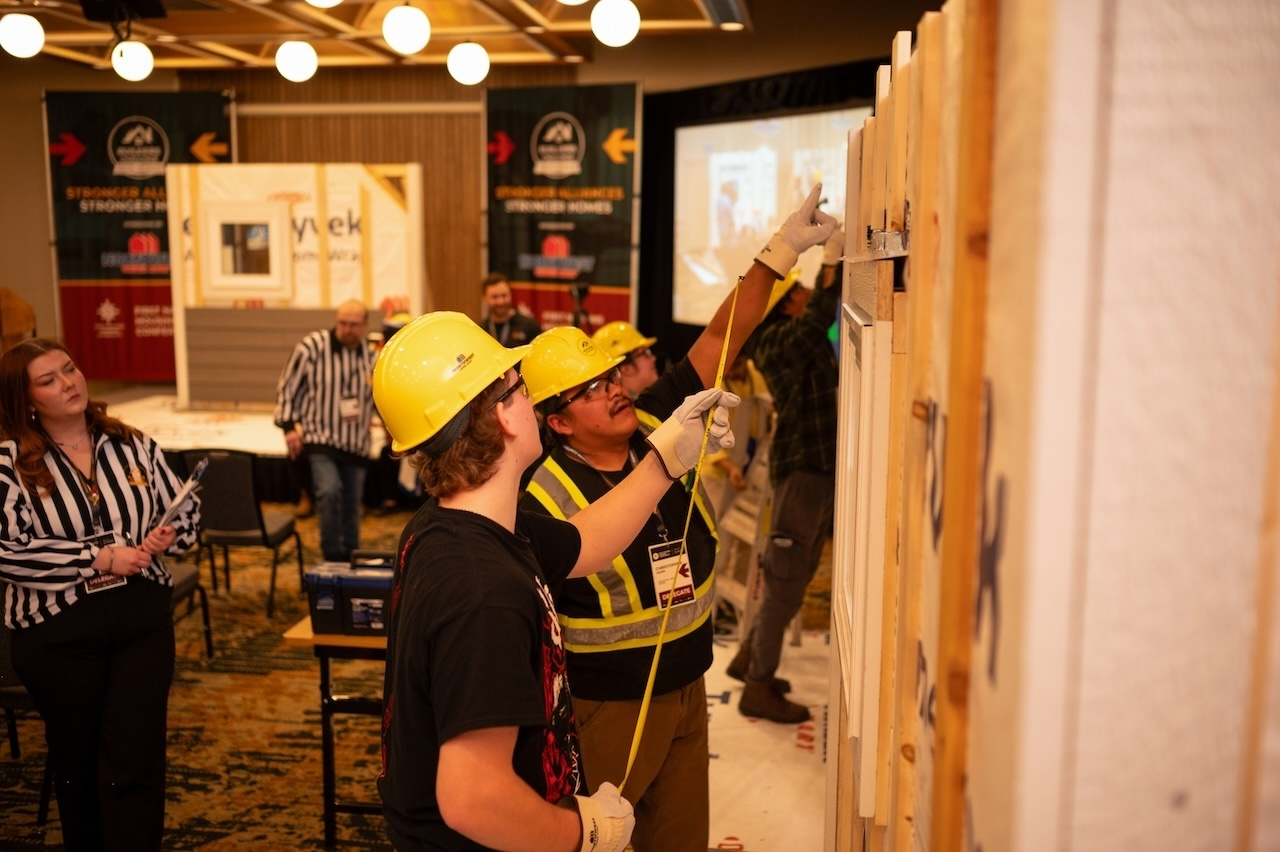
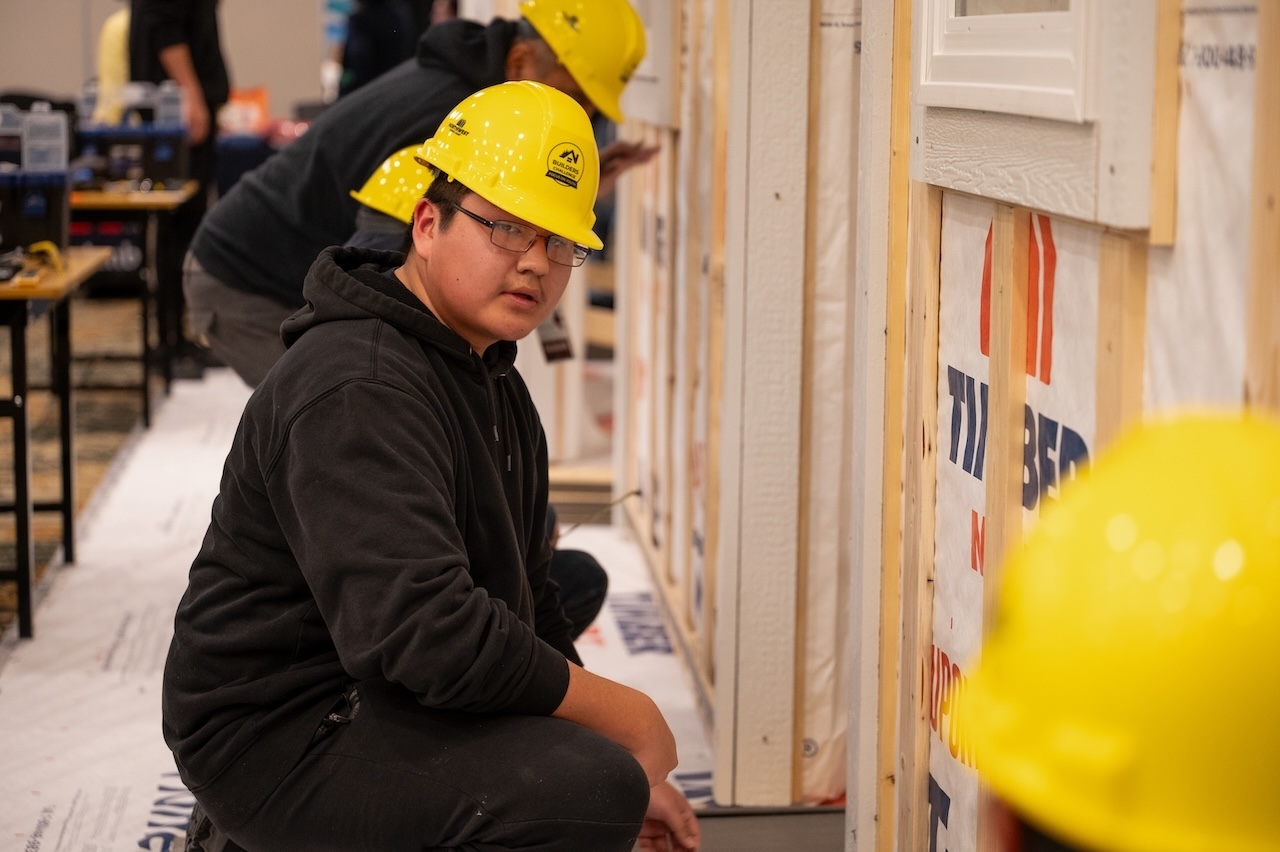
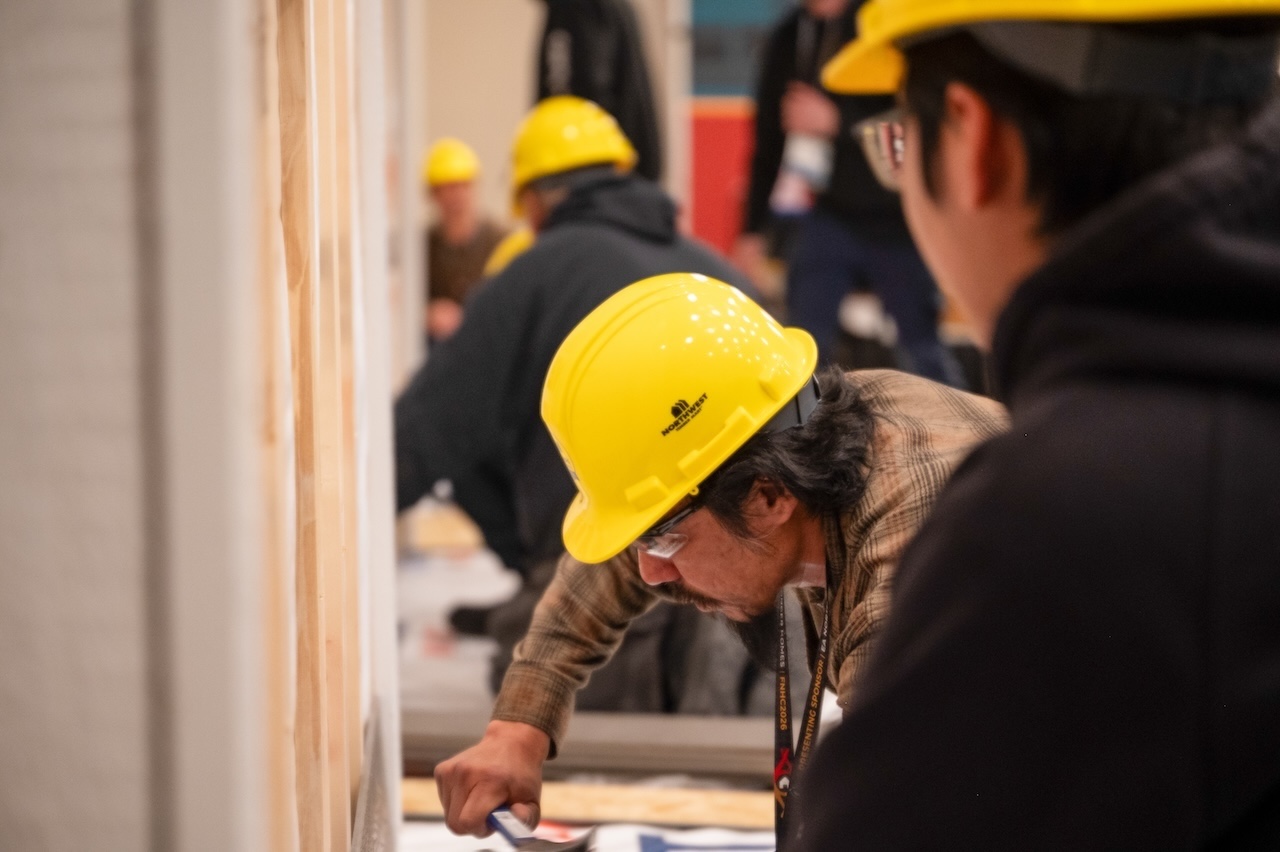
Skills Training Program – Focus on Youth
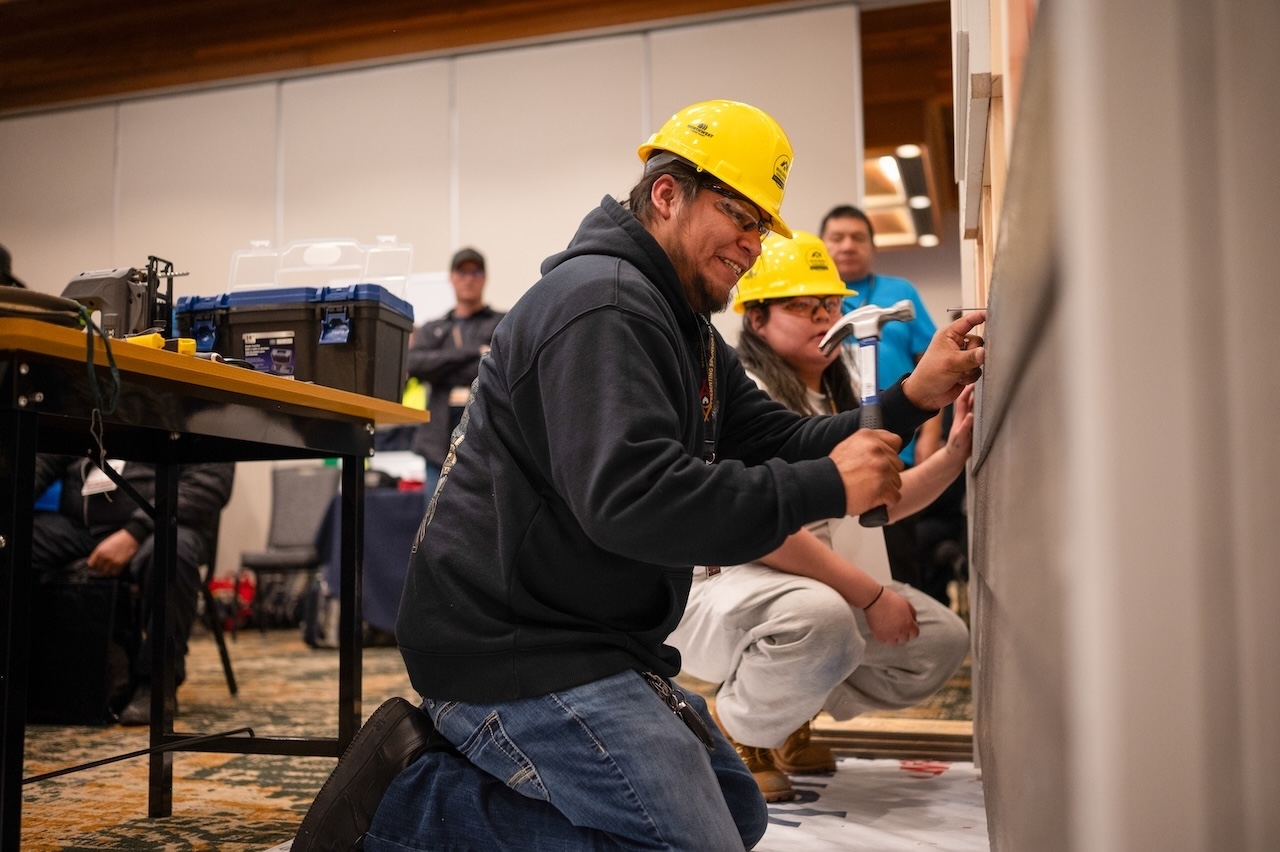
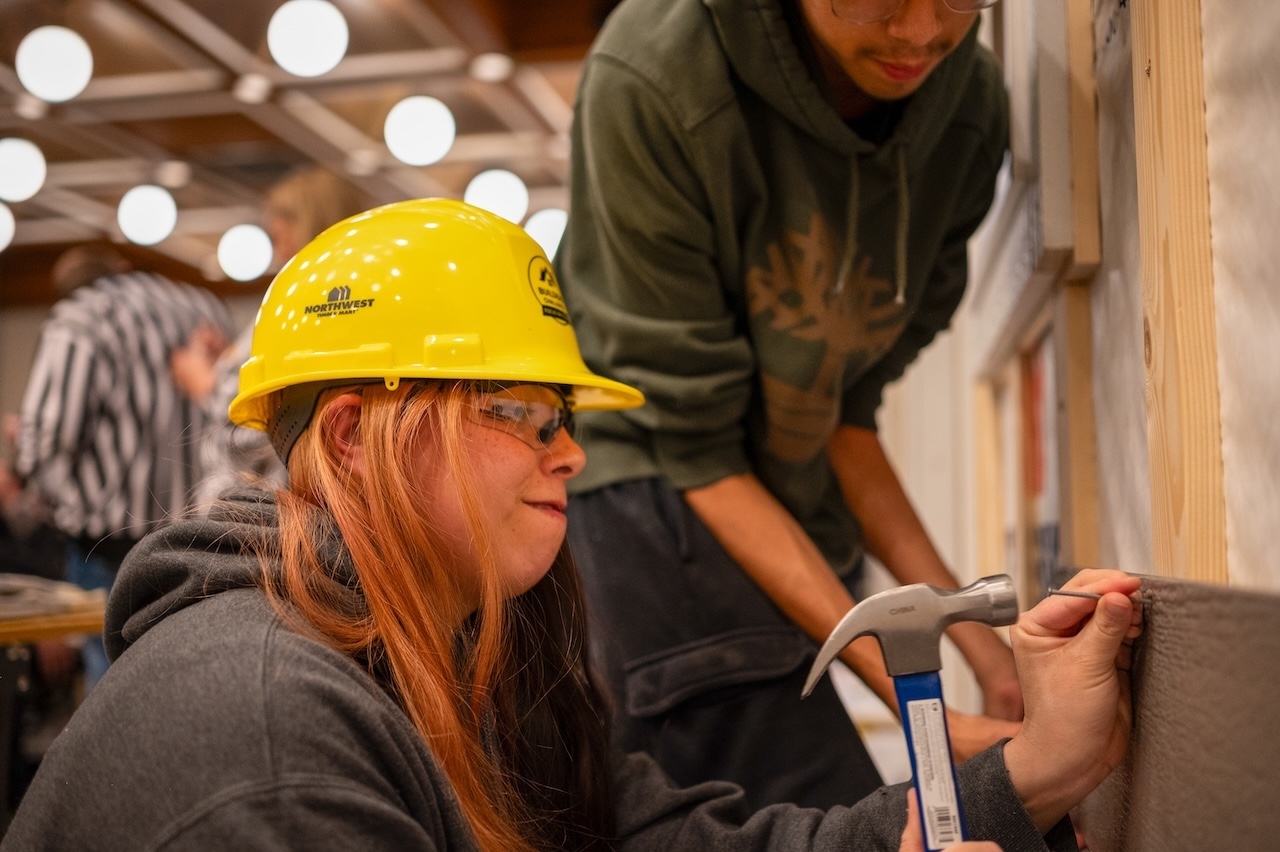
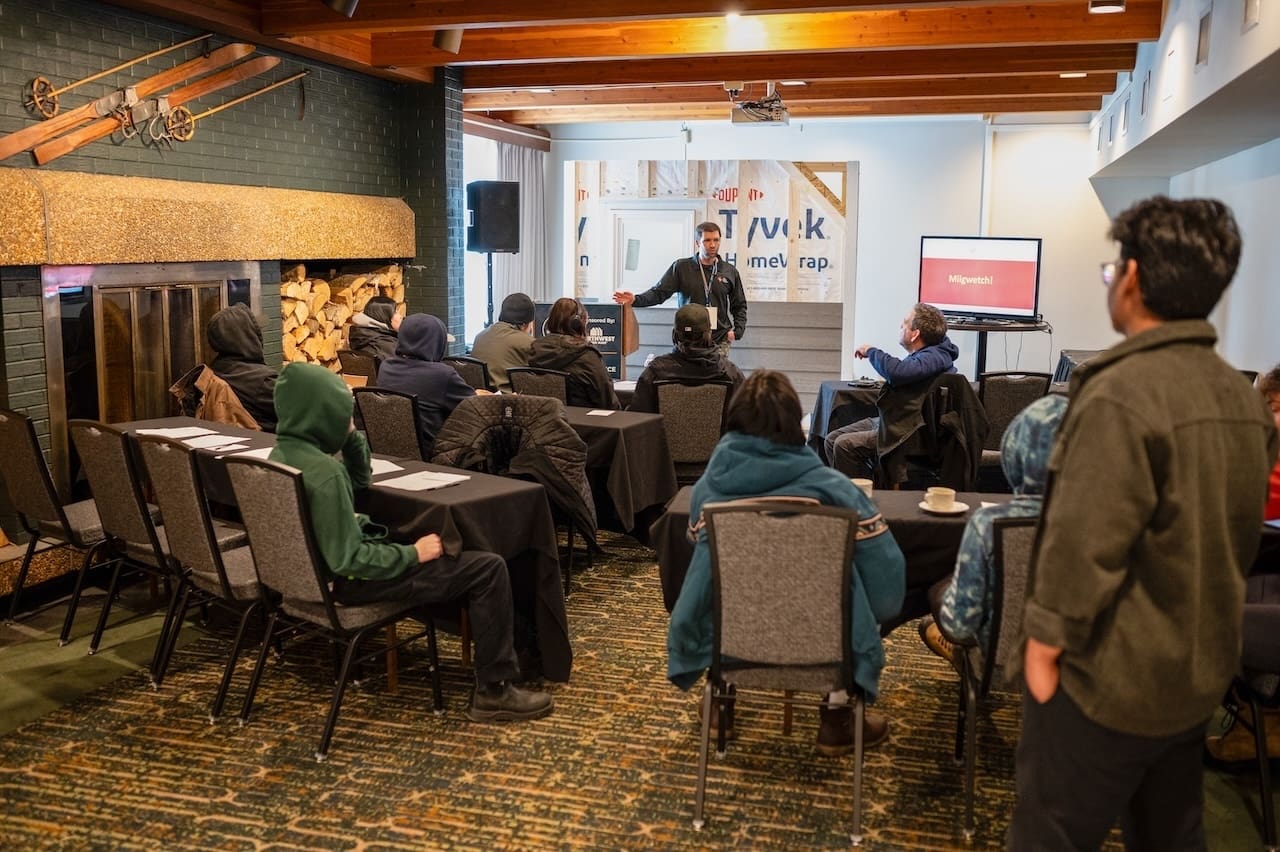
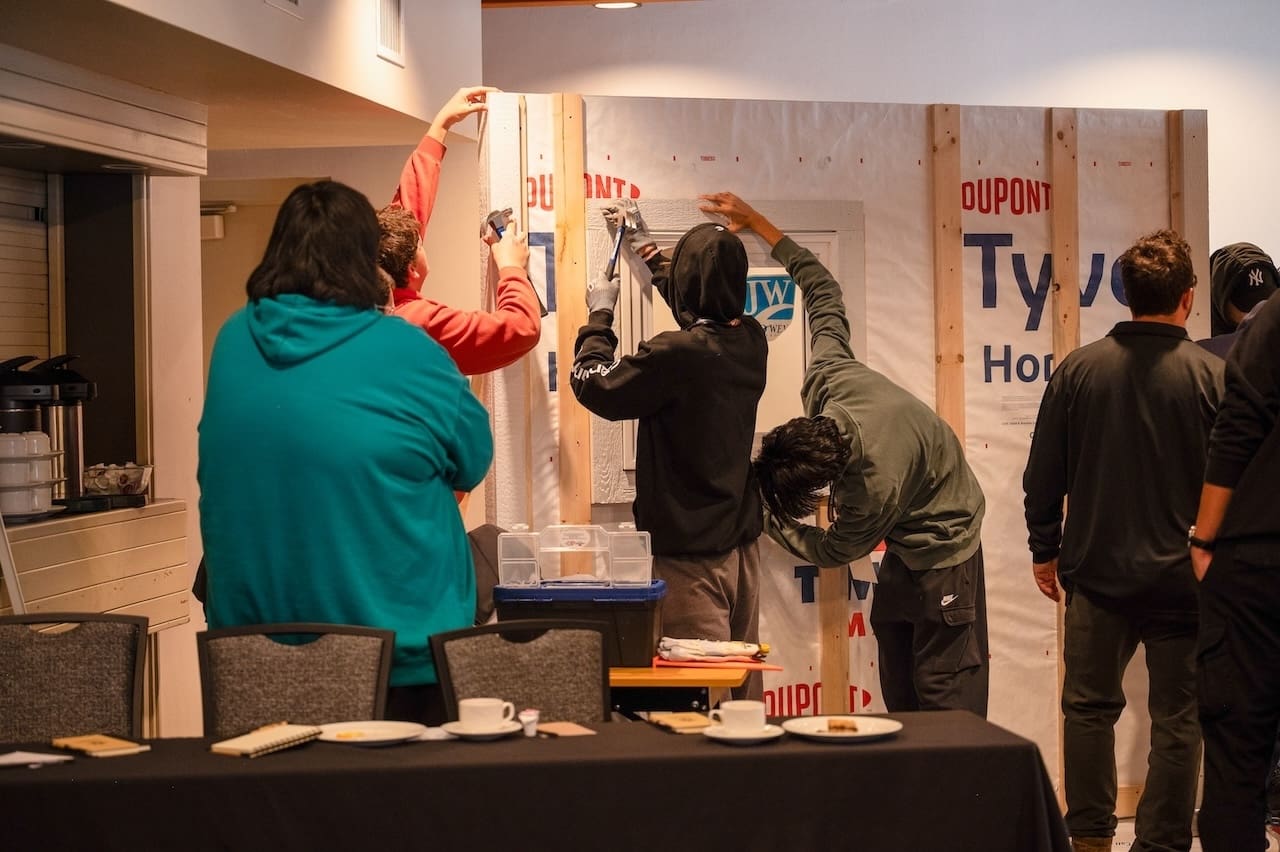
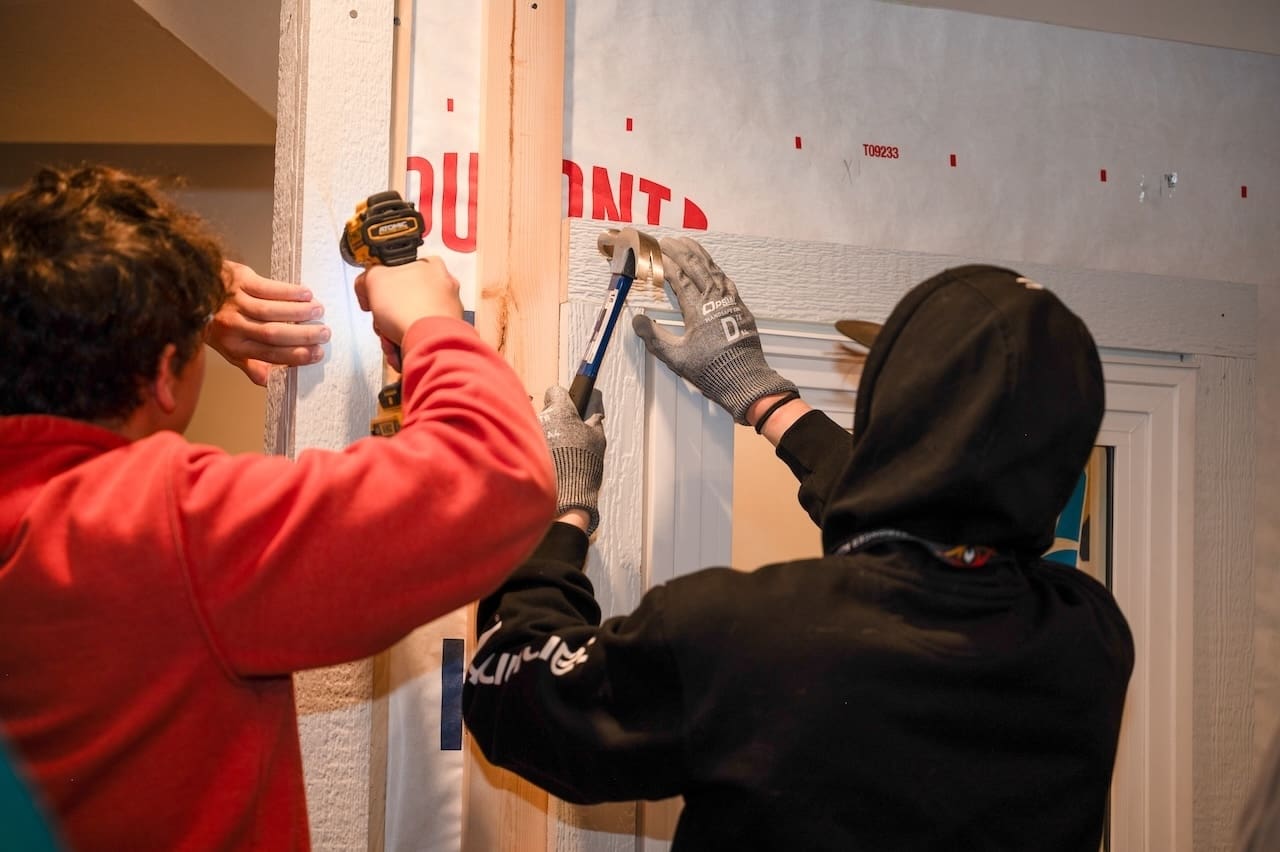
Youth Skills Workshop Presentation.pdf | Youth Training Guide.pdf- Practical Session: Installing Flashing Participants learned the fundamentals of water management and how proper flashing protects walls and windows from moisture damage. The session focused on correct folding, angling, fastening techniques, and creating proper drainage slopes to support long-term durability.
- Practical Session: Install Trim Youth prepared the wall by installing strapping and trim to create a stable framework for siding. The session emphasized alignment, secure fastening into studs, and proper handling of corners and insulation to support a precise finish.
- Practical Session: Installing Lap Siding Boards Participants applied proper lap siding techniques, including correct overlaps, hidden fasteners, and strategic board placement. The session highlighted planning around windows, butt joint positioning, and finishing details to achieve a durable, professional result.
Builders Challenge #1
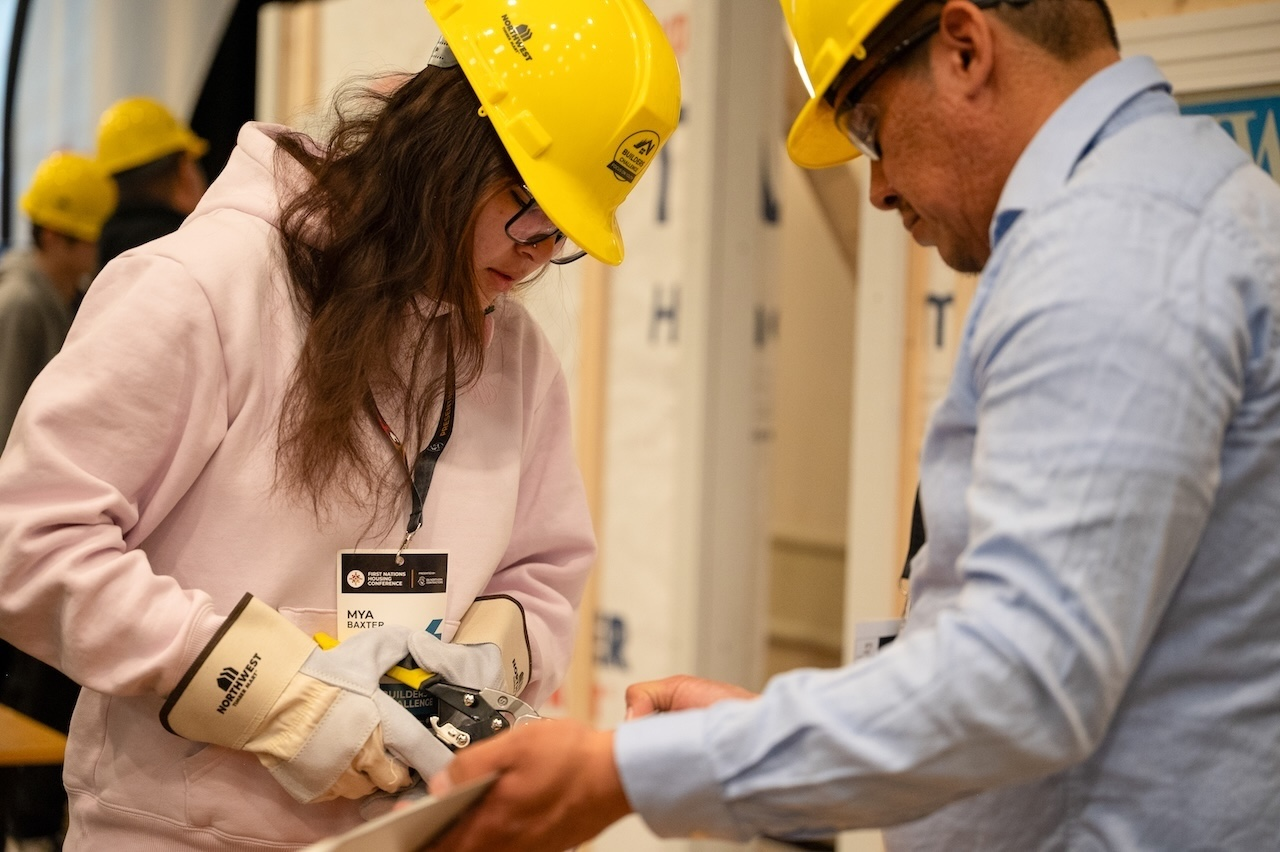
Installing Flashing
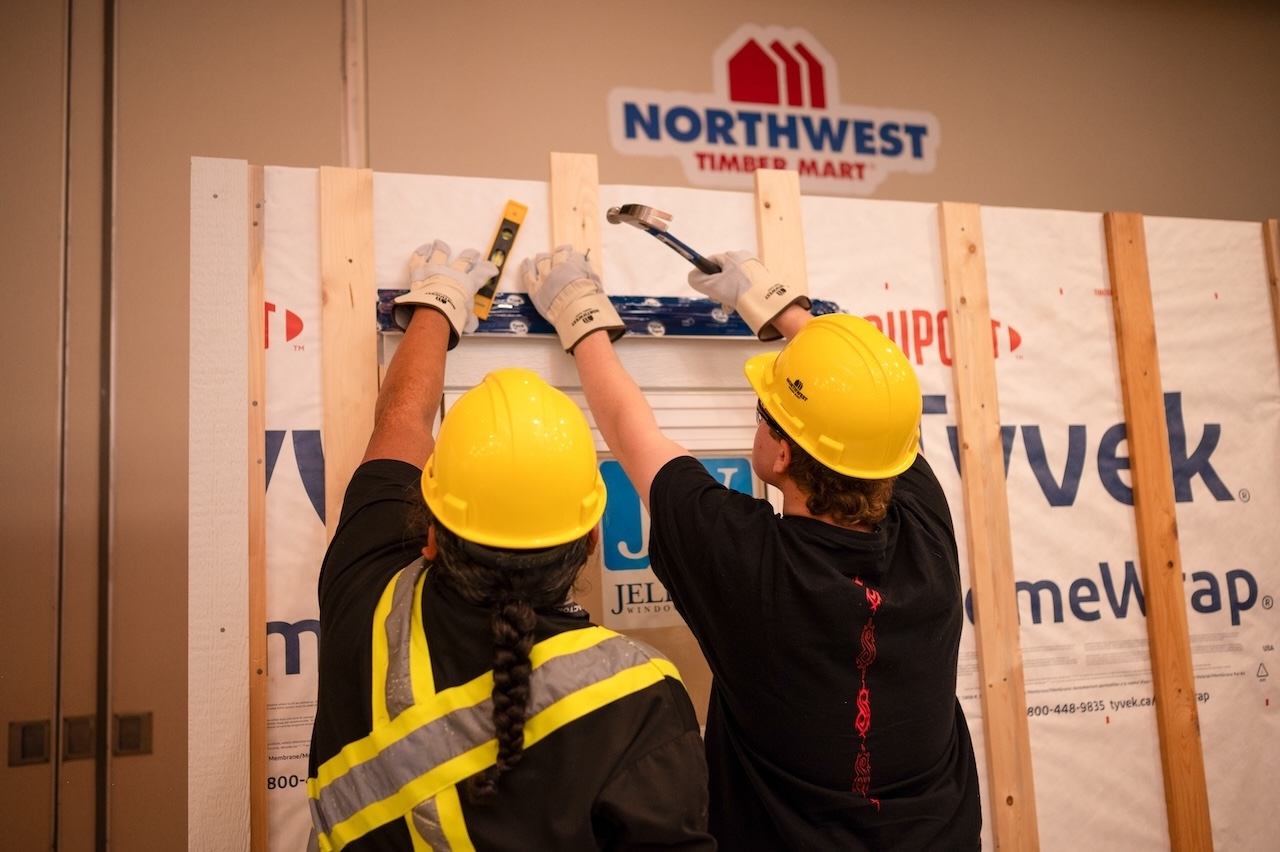
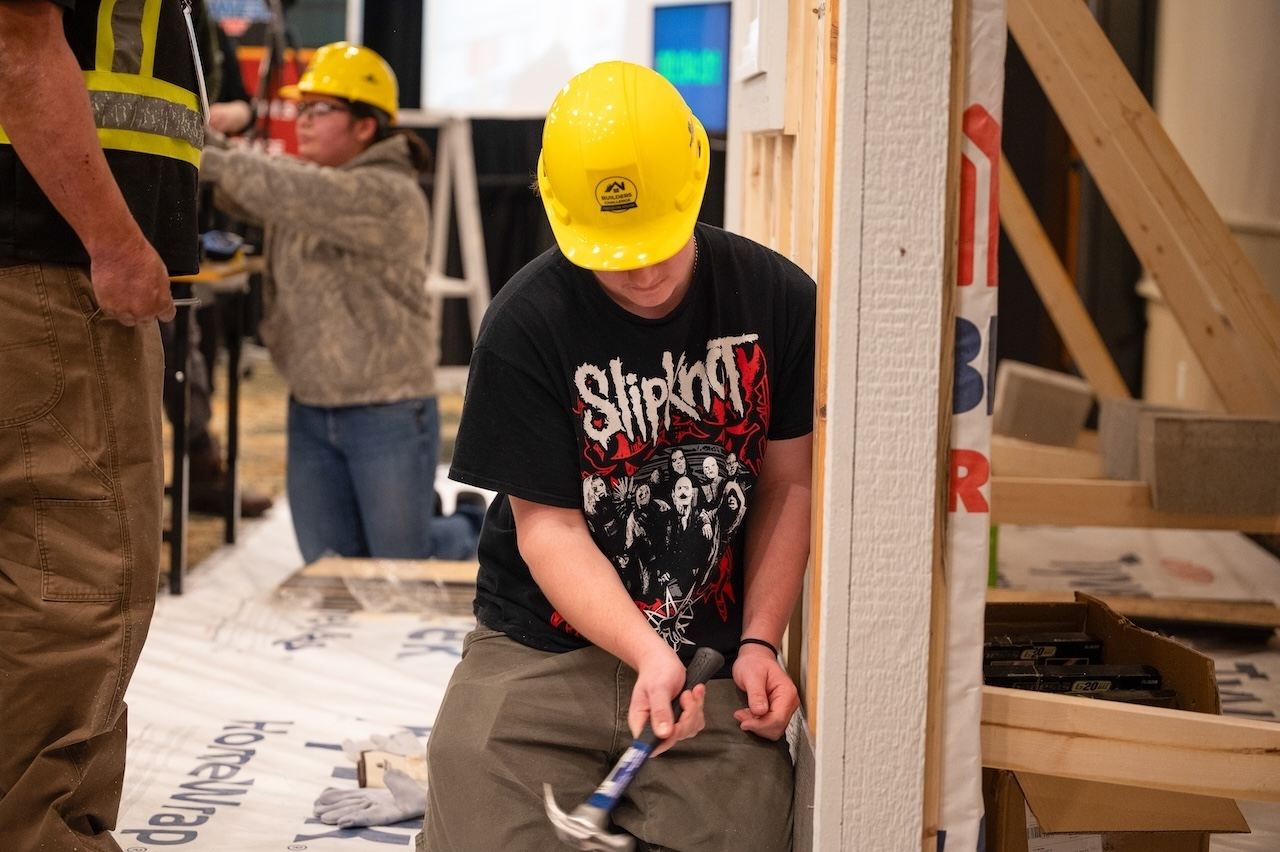
Participants focused on proper water management, learning how to install flashing so water is directed away from walls and windows. They practiced folding, angling, and fastening the flashing, including the use of hidden nails, while managing a slight slope for effective drainage.
This challenge demonstrated how attention to detail at this stage protects the structure and sets the foundation for siding installation.
Builders Challenge #2
Installing Trim
The youth prepared the wall by installing strapping and trim, creating a framework that supports the siding boards. Participants learned to align the trim correctly, anchor nails into studs and strapping, and handle corners and insulation pushouts.
This challenge reinforced the importance of proper preparation in achieving a smooth, precise siding installation.
Builders Challenge #3
Installing Lap Siding Boards
The final stage brought everything together as participants installed lap siding boards with proper overlaps, hidden fasteners, and strategically placed butt joints. Youth planned board placement around windows, demonstrated where caulking would go, and used small tools and jigs to ensure a neat finish.
By focusing on technique, planning, and attention to detail, participants learned how to construct walls that are durable and properly installed.

Tradeshow
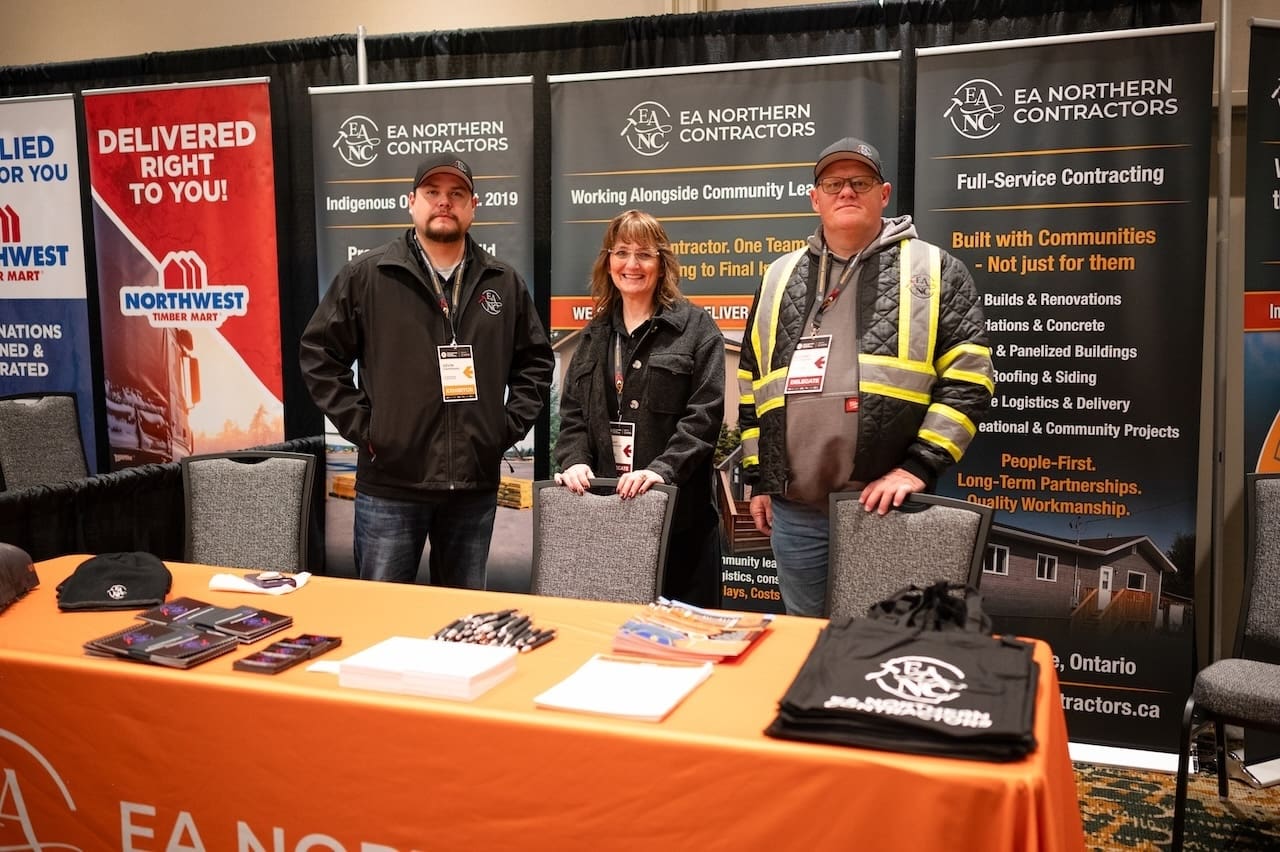
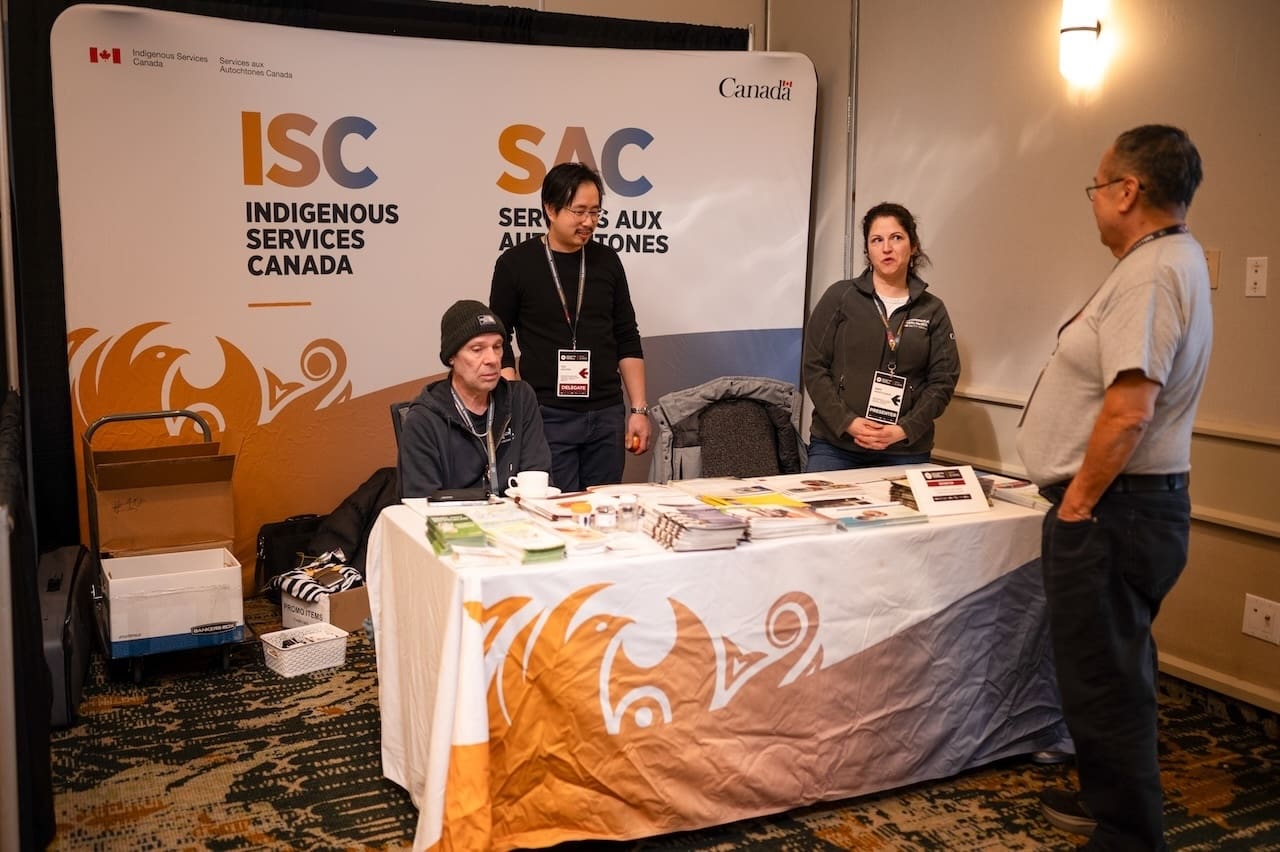
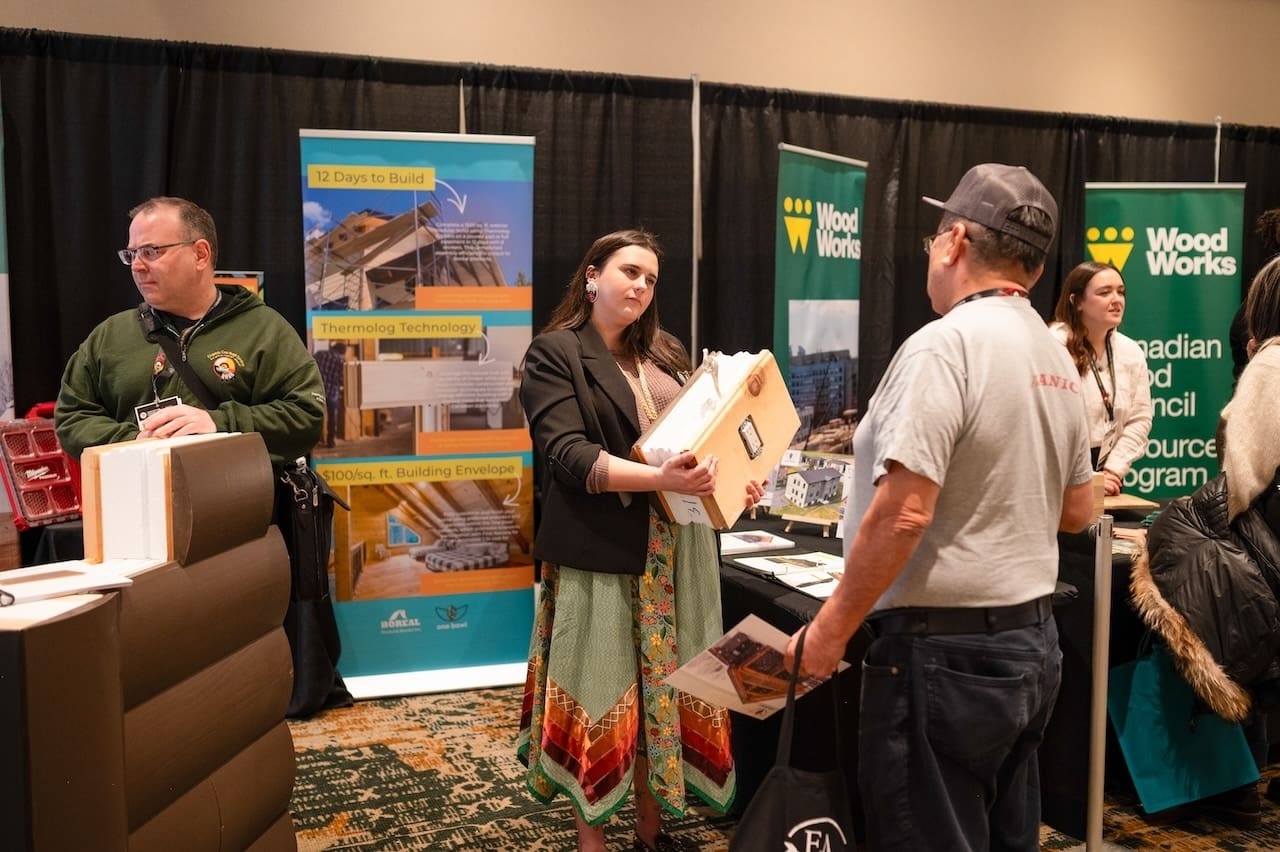
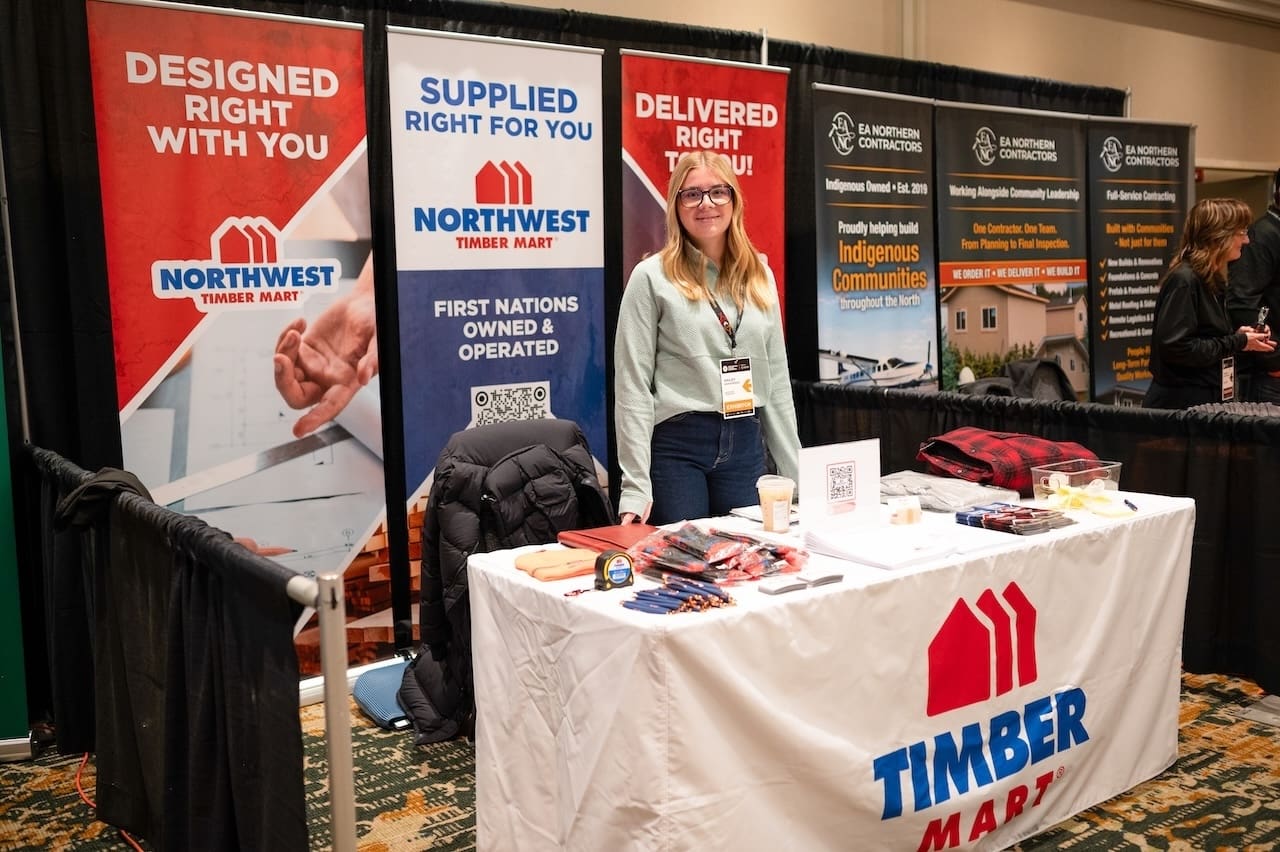
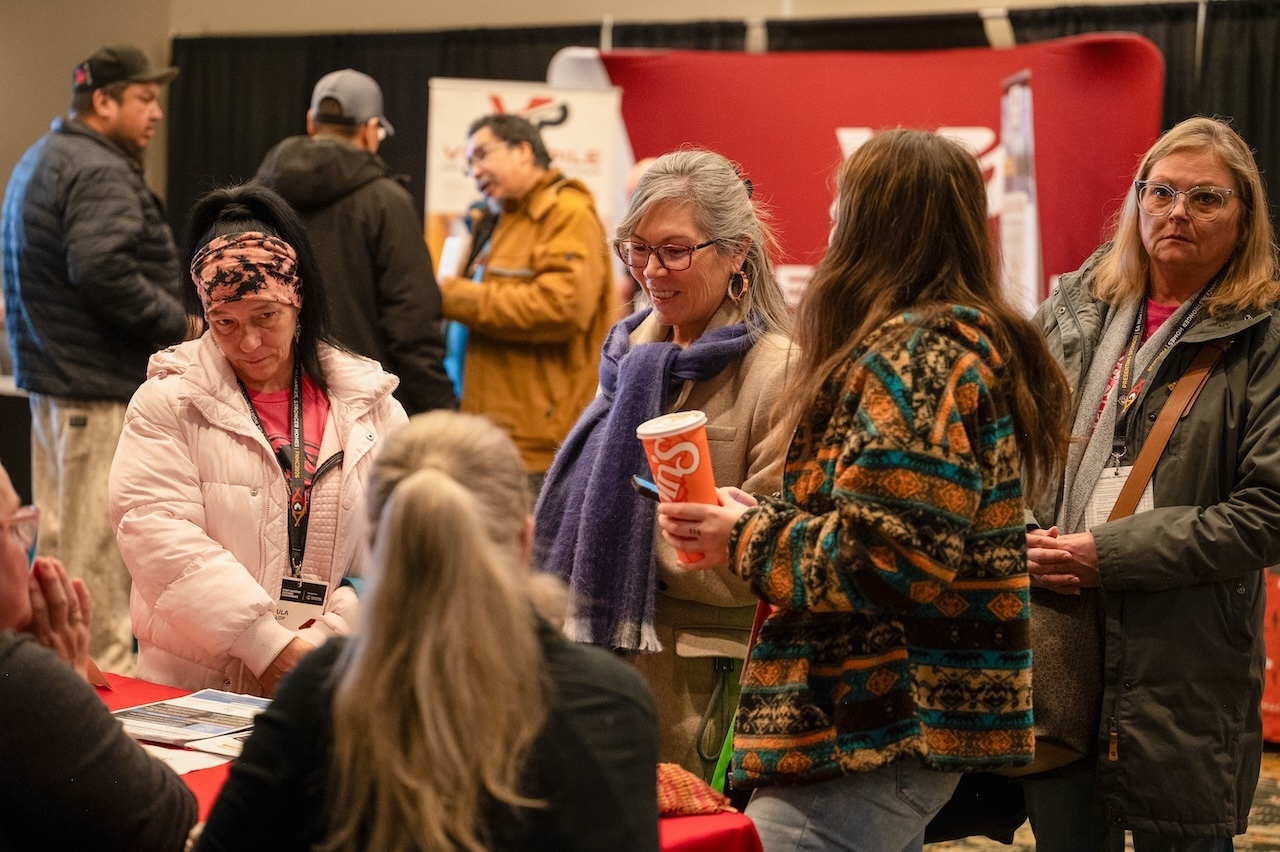
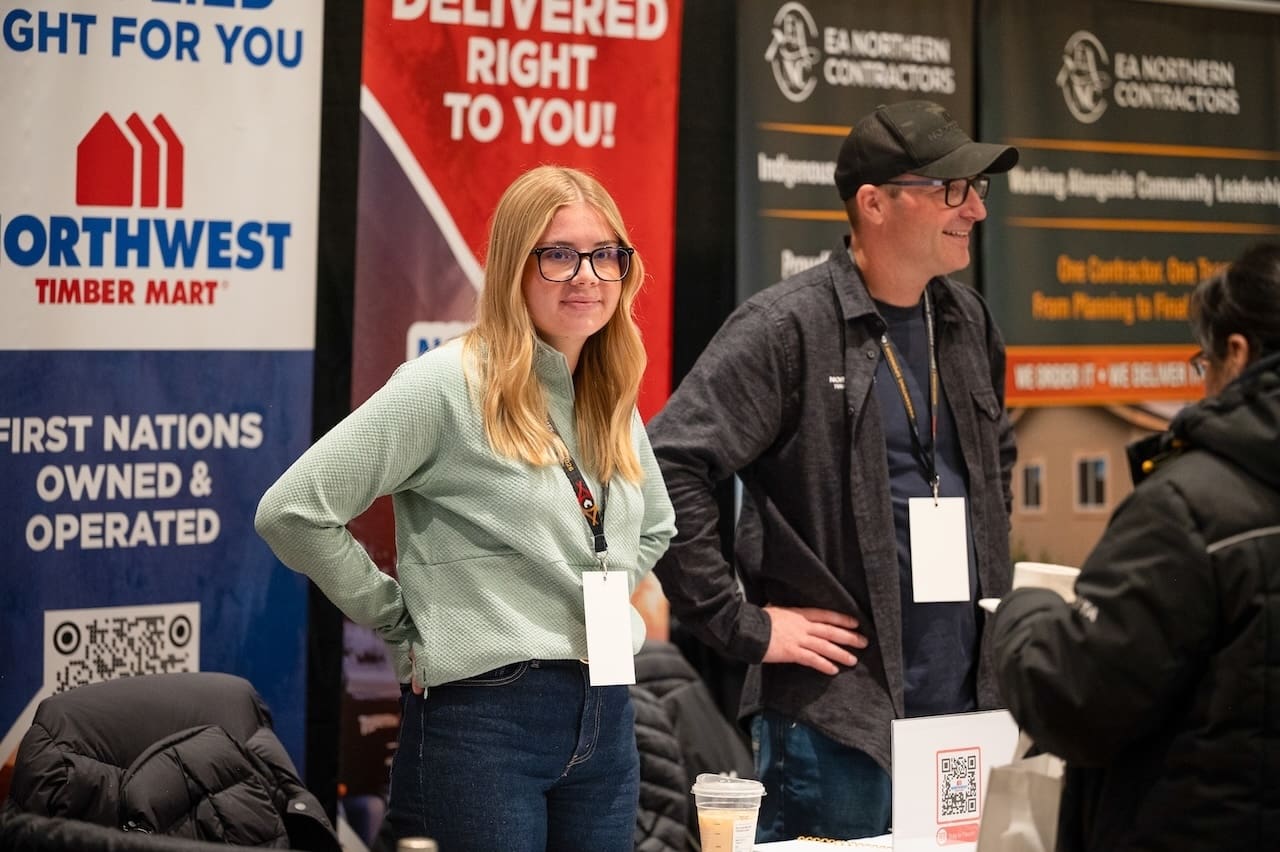
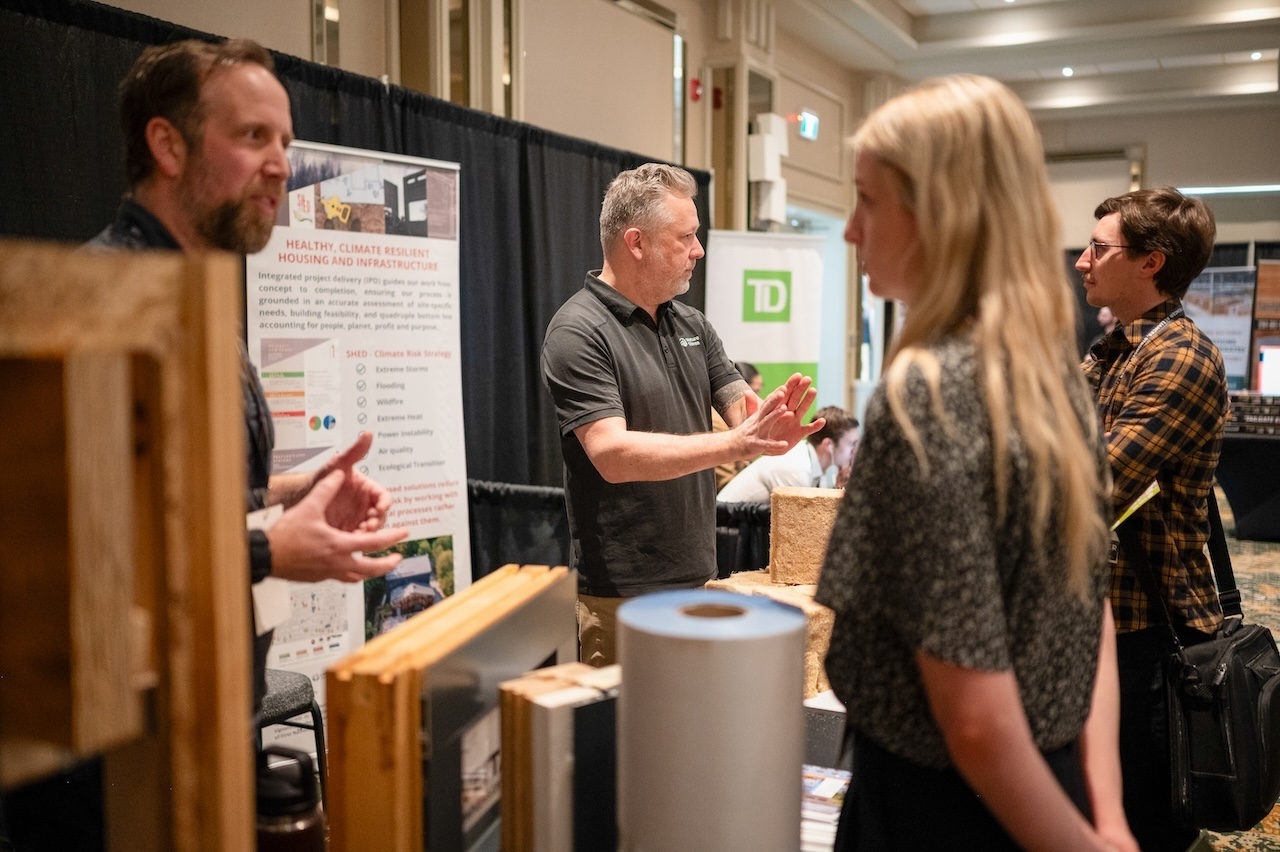
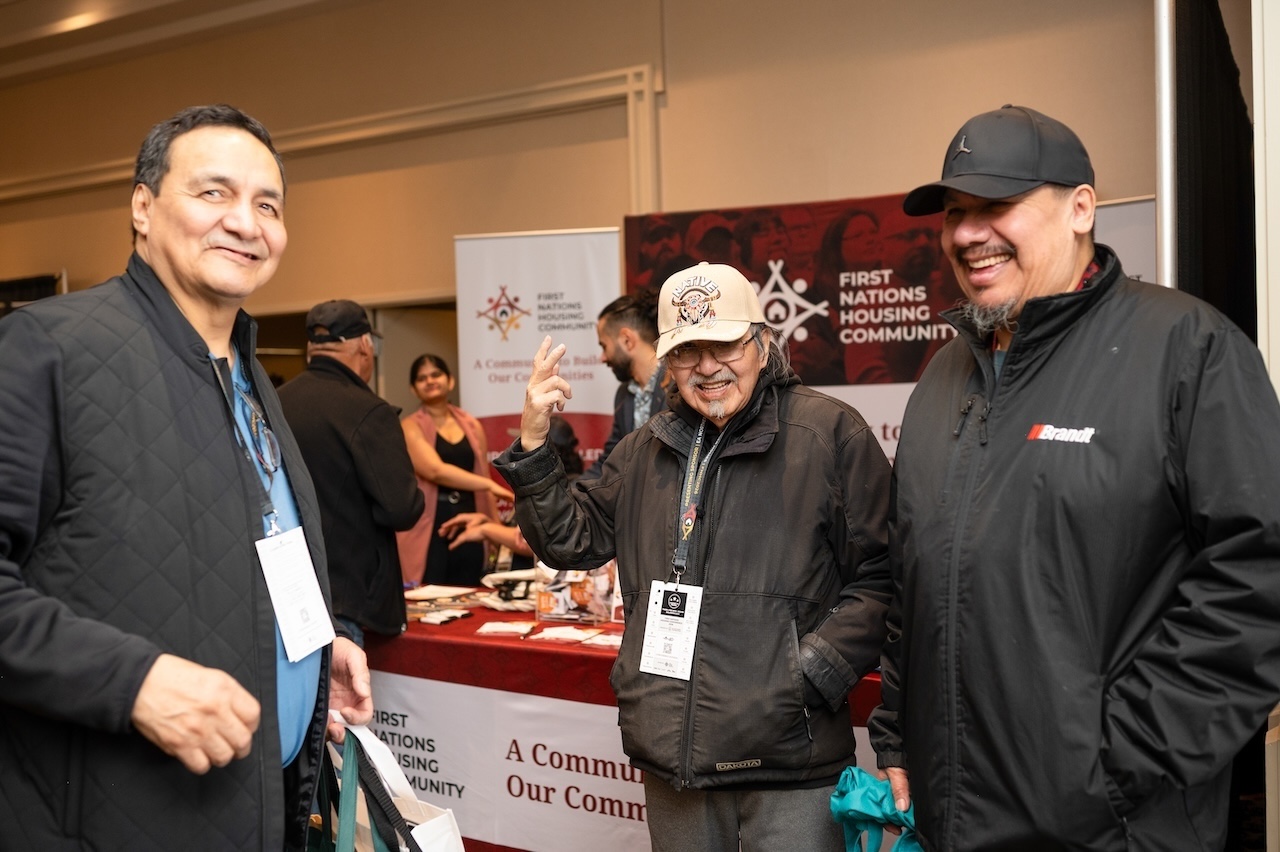
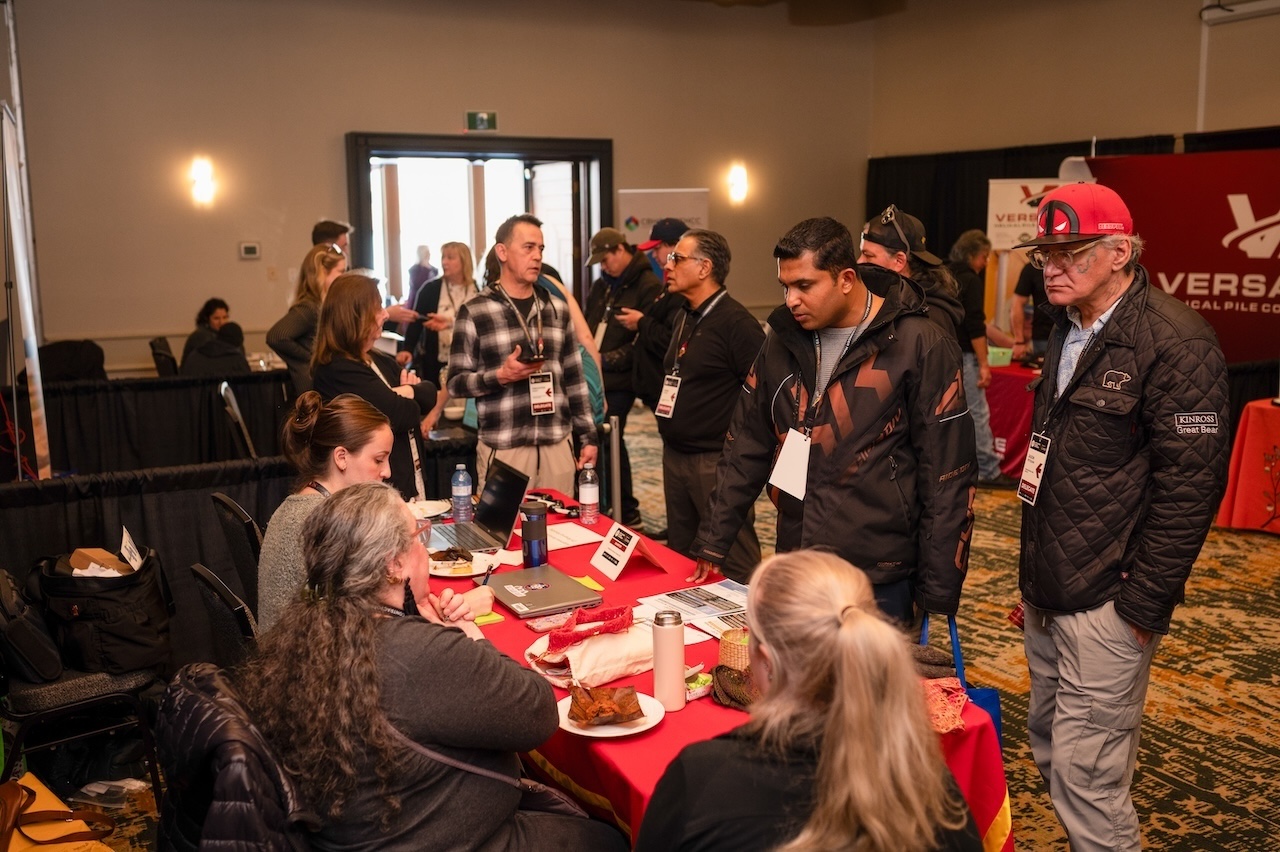
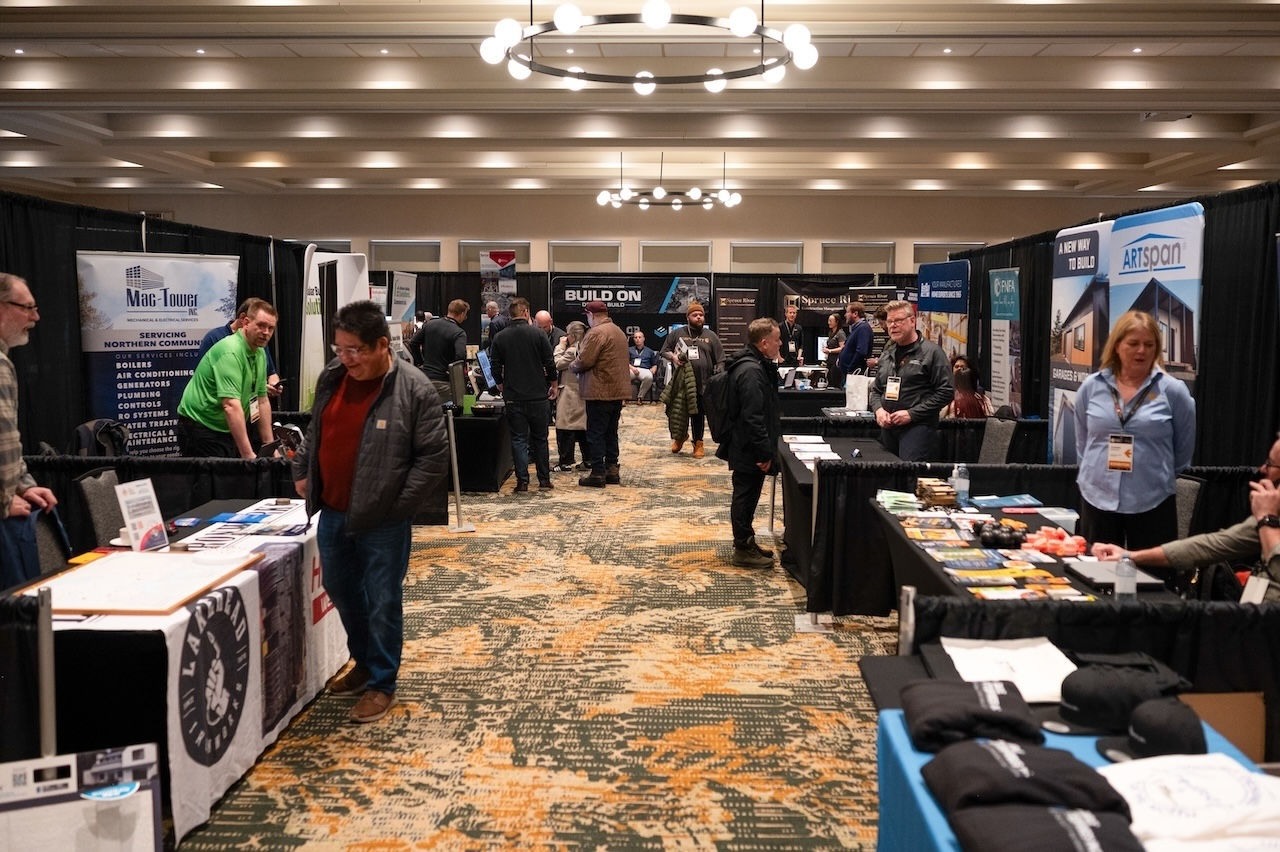
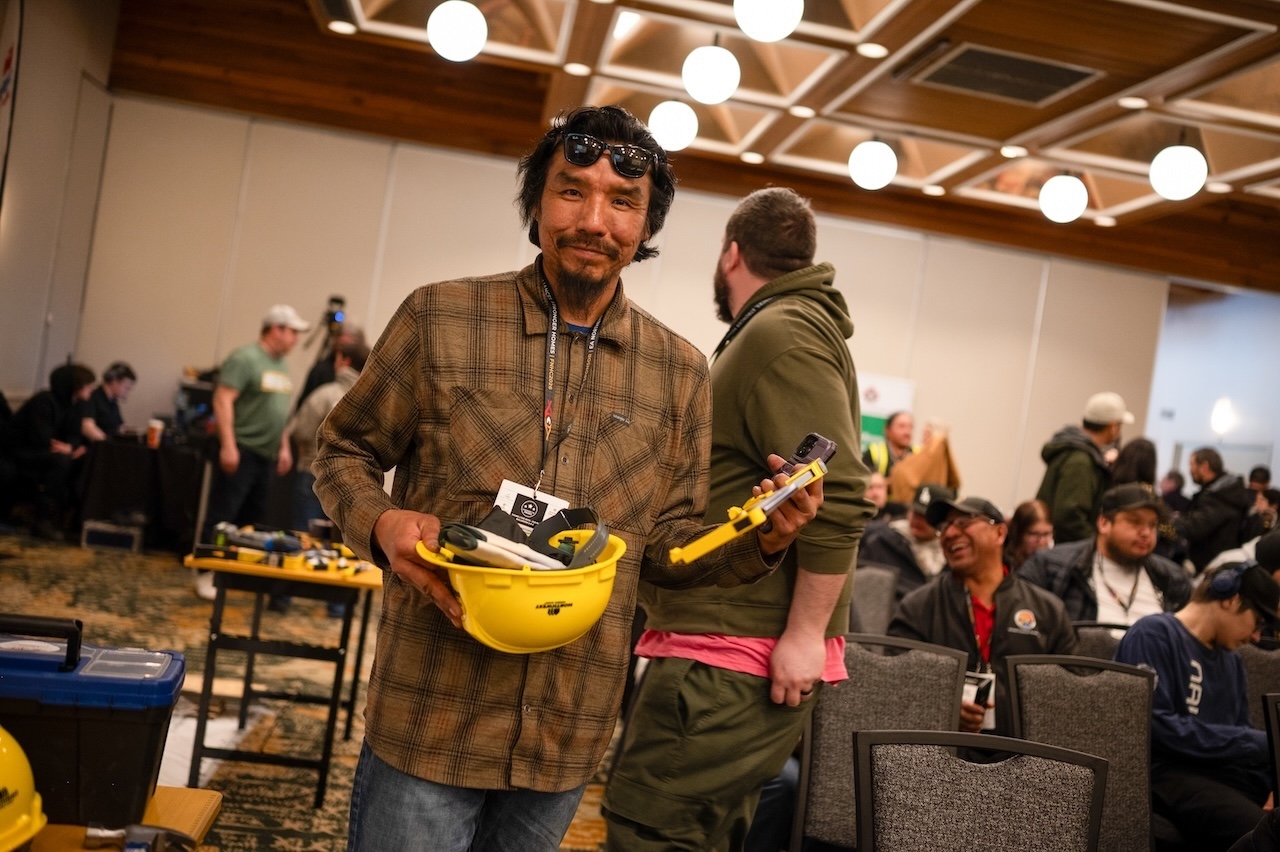
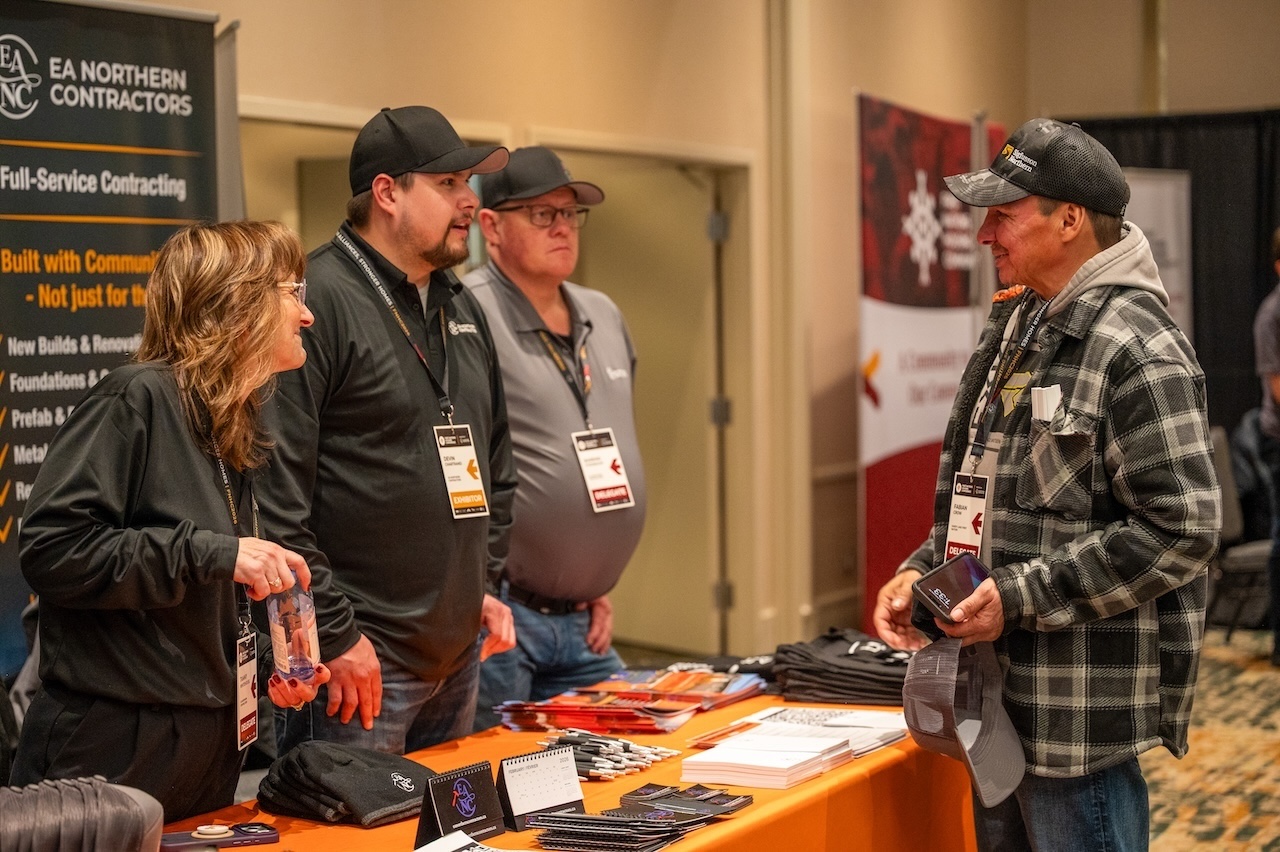
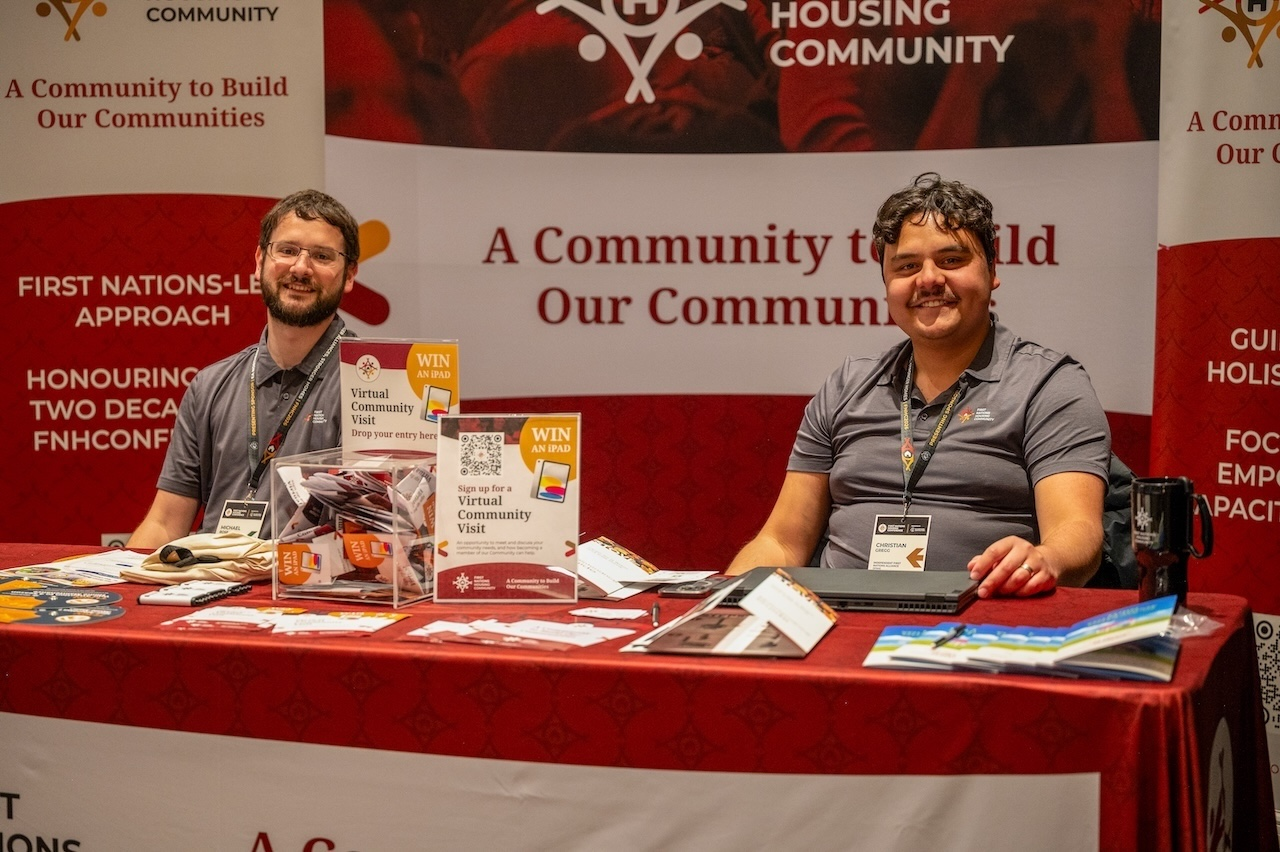
Delegates explored the full-day tradeshow, connecting with leading industry representatives and key stakeholders involved in First Nations housing. The tradeshow provided opportunities to build professional relationships, exchange ideas on housing sustainability and maintenance, and learn about job and career opportunities within the sector.
Community Housing
Recognition Awards Gala
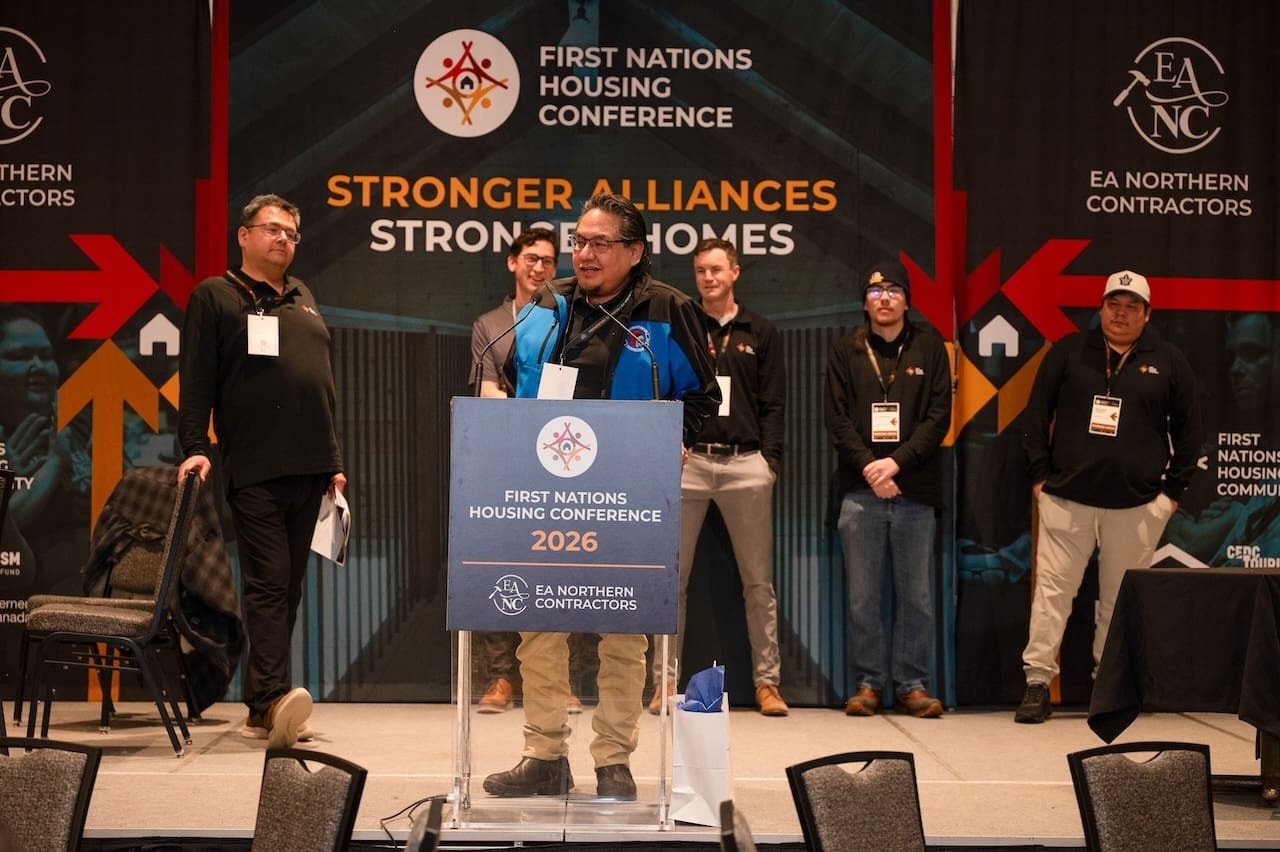
For over 22 years, the First Nations Housing Community has recognized communities for their leadership and achievements in strengthening First Nations housing. These awards celebrate successes in building, policy development, training, and other initiatives that continue to advance housing capacity across First Nations.
The awards were nominated, voted on, and presented by First Nations during the Annual Housing Conference, highlighting the people and communities driving progress in housing.
Entertainment was provided by Mackinley’s Delusions.
Closing Ceremonies
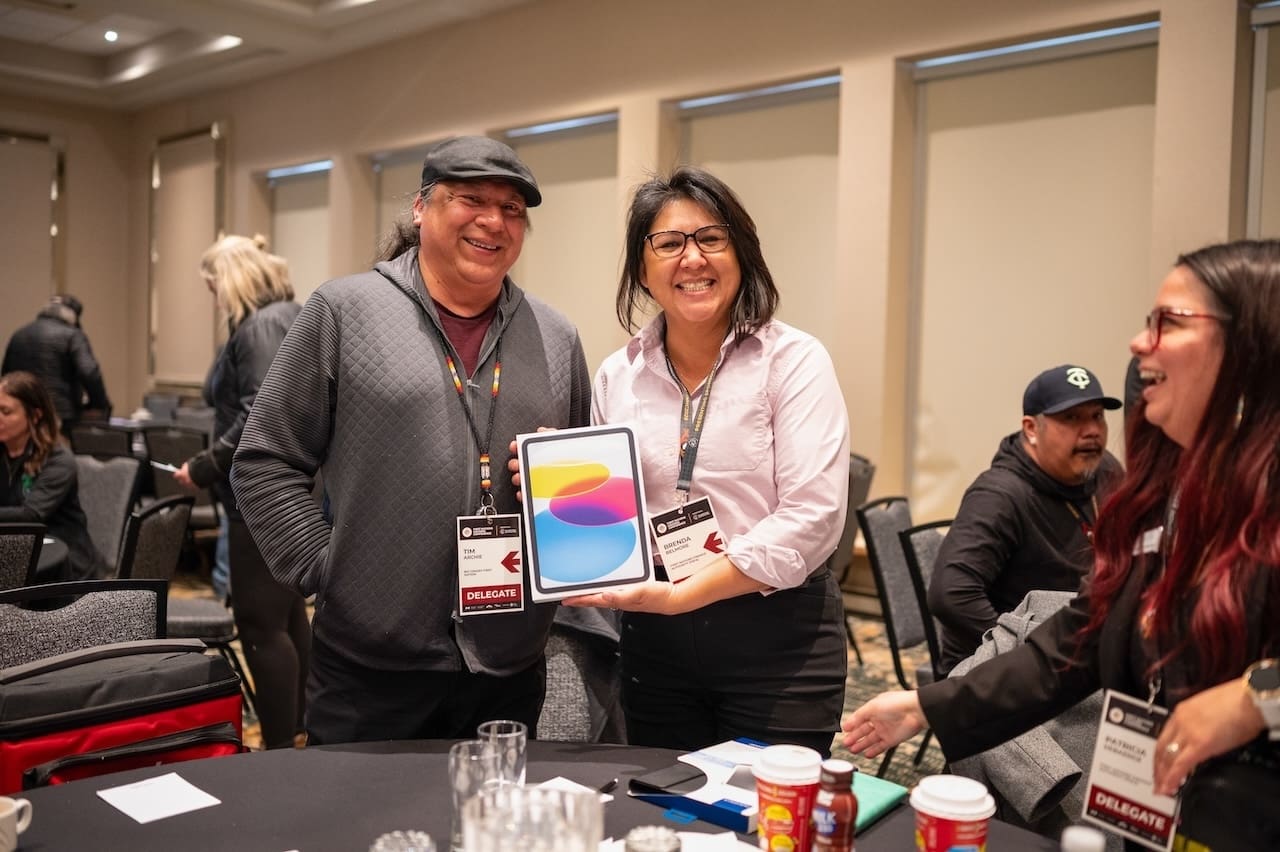
As the three-day gathering came to a close, delegates had a final opportunity to win prizes through the Passport to Prizes program. The First Nations Housing Working Group shared closing remarks, followed by a closing prayer from Elder Cindy Crowe and a drum song by the Eagle Boy Drum Group.
Participants left the conference feeling inspired, connected, and celebrated, carrying forward the energy and relationships built throughout FNHC 2026.

Reducing Radon Exposure
Pam Warkentin, CARST/C-NRPP
Biography
A founding member of CARST and a C-NRPP certified measurement professional, Pam Warkentin is now the Executive Director of both CARST and C-NRPP, and Project Manager of the Take Action on Radon (TAOR) Program. Pam brings a wealth of knowledge about radon testing, reduction techniques and radon research in Canada and around the world, she is driven to help Canadians reduce their risk from radon. She coordinates with Health Canada and radon stakeholders across the country and is also the Secretary for the Coalition of International Radon Associations (COIRA).
Synopsis
Radon is the leading cause of lung cancer among non-smokers, and Canada’s climate, geology, and building practices make many regions vulnerable to elevated radon levels. This session highlighted key lessons from community radon testing projects conducted with First Nations, explored approaches to reducing radon exposure, and provided updates on National Building Code measures designed to address radon from the start.


Offsite Manufacturing in Wood Construction: A Practical Path Forward
Hailey Quiquerro, Canadian Wood Council & Cory Hubbard, Forest Forward Inc + First Nation Community
Biography
Hailey Quiquerro is a structural engineer specializing in sustainable architecture and the advancement of timber building systems. Her career has spanned research in mass timber & fire safety, structural design consulting, and building prefabricated timber housing projects. In her current role as a Technical Manager for the Canadian Wood Council’s WoodWorks program, Hailey works with the team to aid project teams with technical support and to bring resources and education to industry stakeholders, advocating for the successful implementation of a natural and sustainable building material in our built environment.
Cory Hubbard is a results-driven entrepreneur leading Northwestern Ontario’s first glulam facility. With a background in Civil Engineering from Lakehead University and advanced research in mass timber and fire performance, he has played a key role in developing heavy timber solutions in Ontario. In 2024, he founded Forest Forward to reintroduce glulam production in the region, aiming to make mass timber construction more accessible and affordable through strategic partnerships.
Synopsis
This presentation explored how prefabrication is transforming wood construction through faster timelines, improved quality, and increased sustainability. It highlighted offsite manufacturing approaches, including light wood framing and mass timber, with insights from Forest Forward’s work to establish Northwestern Ontario’s first glulam facility.
Attendees learned practical strategies and real-world examples from the guide A Practical Path Forward for Offsite Manufacturing, demonstrating how modular and panelized systems can improve residential and mid-rise projects.

Mold in Housing
Karen Perusse, Matawa First Nations Management
Biography
Karen Perusse is an Environmental Public Health Officer with 13 years’ experience working on First Nations lands with the past 7 years with Matawa First Nations Management.
Synopsis
This session explored what mold is and how to recognize it in the home. Participants learned how to properly clean mold, when to seek professional help, and practical steps to prevent mold from growing and spreading. The presentation also discussed the health risks associated with mold in the home environment.

Developing the Indigenous Construction Standard
Jordan Perrault, Construction Foundation of BC
Biography
Jordan Perrault is the Director of Strategic Initiatives at the Construction Foundation of BC (CFBC). His team has partnered with more than 20 First Nations across British Columbia to develop trades training and workforce development initiatives that integrate employment, well-being, and education priorities.
Synopsis
This session explored the development of building standards that support affordable, energy-efficient, and culturally appropriate homes for First Nations communities. Presenters shared real-world success stories, discussed key challenges encountered during implementation, and highlighted practical lessons learned that can inform future housing projects and policy decisions.

Constructing Wildfire Resilient Housing
Ryan Kyle, Canadian Interagency Forest Fire Centre/FireSmart Canada & Matthew Mills, FormStudio Architects
Biography
Ryan Kyle is the Wildfire Interface Coordinator for FireSmart Canada where he works with national, provincial, and territorial wildfire agencies, as well as private companies to research, create, and update guidelines and recommendations for the technical application of FireSmart principles in communities. The FireSmart Canada team and its partners have created guidance for a range of topics from building science applications for construction assemblies to vegetation management, aimed at wildfire risk reduction. This Presentation may be jointly presented with staff from FormStudio Architects from Thunder Bay.
Synopsis
This presentation outlined the core principles of wildfire-resilient construction and how wildfires spread through the Wildland-Urban Interface. It highlighted key design considerations for wildfire-resistant homes, including ember and heat resistance, building assemblies, and material choices. The session concluded with an overview of FireSmart Canada’s Builders and Landscape Checklists.

Policy Advancement
Kaila Wong, Aboriginal Housing Management Association (AHMA)
Biography
Kaila Wong (Tipiskâw-pîsim Atâhk Manitou) is a Cree‑Sioux and Toishan housing advocate with extensive experience in housing, development, and community-led policy work. Over many years supporting friendship centres, First Nations housing initiatives, policy development, and urban Indigenous social services, she has cultivated both deep resilience and grounded, practical expertise. Kaila’s lived experience, combined with her professional background, has informed and influenced housing policy and innovative housing models across British Columbia. Her work is guided by a commitment to community-driven, culturally rooted solutions that honour Indigenous sovereignty, strengthen local capacity, and create pathways to safe, sustainable housing for Indigenous peoples.
Synopsis
This session provided an overview of the state of urban Indigenous housing in British Columbia through AHMA’s work. It highlighted AHMA’s strategies, advocacy, and partnerships, and showcased the impactful, culturally grounded housing services delivered by urban Indigenous housing providers across the province.

Housing Manager Software
Kris Schell, Eagle Lake First Nation
Biography
Kris Schell has lived in the Dryden area for 28 years. He lived in Thunder Bay and spent most of his early years in his hometown of Beardmore. He has had many meaningful jobs and experiences, in many communities, and in many roles.
For the past 26 years he has been in the construction industry in some aspect. Along the way he acquired his Red Seal Carpenters Certification and has dedicated himself to the trade for 20 years.
He recently accepted the opportunity presented to him by Eagle Lake First Nation to join their team as Housing Manager, where he can apply all hi experiences and share his growth with a community for a healthier and brighter future for housing and people alike.
Synopsis
Kris shared his ideas and experiences on the use of management software, QR codes, AI, and other digital tools. He discussed how these technologies can support community management, streamline processes, and improve how data related to community assets is sent, received, accessed, and logged.

CMHC Funding Opportunities
Wilbur McLean, Canada Mortgage Housing Corporation (CMHC)
Biography
Wilbur McLean is a Specialist with CMHC’s Indigenous and Northern Housing Solutions department. He works to connect a portfolio of First Nations and urban Indigenous organizations with CMHC funding opportunities to build more housing.
Synopsis
Canada Mortgage and Housing Corporation (CMHC) continues to offer a suite of programs to support Indigenous communities in meeting their housing goals. This session provided an overview of these offerings and highlighted recent updates, while also giving participants an opportunity to ask questions and engage directly with CMHC representatives.


Micro-Subdivision
Siva Appiah, Indigenous Services Canada & Padriac Taffe, Chapleau Cree First Nation
Biography
Siva Appiah is the Ontario Region Fire Lead, where he collaborates with fire experts and funding programs to strengthen fire safety in First Nations communities. His portfolio also includes housing initiatives that support sustainable housing options for First Nations, as well as the administration of Ministerial Loan Guarantees, which help communities access financing for home construction and repairs. Siva is dedicated to helping communities create safer homes and build capacity for long-term fire prevention and housing sustainability.
Padraic Taaffe has been the Economic Development Officer for Chapleau Cree First Nation since 2023. Prior to that he was the Healthcare Director for Chapleau Cree. In a previous life, he was a chef for 20 years, working in Michelin-starred restaurants in Chicago, New York, Germany, France, and Ireland, and spent several years on cruise ships. He studied classics at St. John’s College, Annapolis and economics at the London School of Economics. He completed an MBA at Athabasca University and an Ec.D. designation at Waterloo.
Synopsis
This presentation highlighted the latest developments across key initiatives, including the Housing Gaps Fund, Renovations Program, Micro-Subdivision Projects, Housing Management Subsidies, Enhanced Technical Services, and the First Nations Children’s Housing Fund. Participants learned about recent progress, funding opportunities, and upcoming priorities supporting safe, sustainable, and culturally appropriate housing in First Nations communities.


Practical Use of the National Building Code
Nedjma Belrechid, National Research Council Canada and Kevin Wu, Technical Advisor, National Research Council Canada
Biography
Nedjma Belrechid, M.Sc.A., B.Arch, is a Technical Advisor at the National Research Council Canada, supporting Codes Canada initiatives within the Construction Research Centre. Her work focuses on harmonizing building codes, addressing overheating in buildings, and developing guidance related to permafrost. She holds degrees in Architecture and Urban Planning from the Université de Montréal.
Kevin H. Wu is a Technical Advisor at the National Research Council Canada, supporting Codes Canada initiatives within the Construction Research Centre. His work focuses on housing supply and radon gas mitigation as part of the development of Canada’s National Model Codes. He holds a Bachelor of Applied Science in Mechanical Engineering from the University of Ottawa.
Synopsis
This session introduced participants to the National Building Code through a step-by-step approach, guiding them on how to identify issues, locate and interpret requirements, and use supporting materials such as appendices and standards.
Topics included fire protection in small buildings, ventilation and indoor air quality, requirements for secondary suites, and frost protection for northern climates. The session aimed to build confidence in navigating and applying the Code in practical settings.

Assembly of First Nations Updates on Housing and Related Infrastructure Priorities
Josh Gladstone, Assembly of First Nations (AFN)
Biography
Josh Gladstone has advocated for change in federal Indigenous housing and infrastructure policy since 2020. Before joining AFN, he was Director of Policy Advancement at Inuit Tapiriit Kanatami. He is currently acting director of AFN’s housing and infrastructure sector.
Synopsis
This presentation focused on the Assembly of First Nations’ (AFN) housing and related infrastructure advocacy priorities. Topics included the national context for First Nations housing, national First Nations strategic objectives, engagement on federal programs and policies, and future work and priorities for advocacy.


Chiefs of Ontario Housing and Homelessness Initiatives: Urban, Rural, and Northern (URN) Current and Future Capacities
Sam Abtahi, Chiefs of Ontario & James McMahan, Data Scientist and Economist, Indigenous and Community Engagement INC (ICE)
Biography
Sam Abtahi is the Director of the Chiefs of Ontario’s recently established Housing and Infrastructure Sector, following three years supporting the Chiefs of Ontario Economic Development Sector. In this new role, Sam leads sector strategy and implementation to advance Ontario First Nations’ priorities as directed by the Chiefs-in-Assembly and the Chiefs Committee on Housing and Infrastructure.
James McMahan is a qualitative and quantitative researcher, responsible for extracting, organizing, and analyzing social and economic data and assisting clients to understand data using data visualizations. Recently, James completed research and engagement for the Chiefs of Ontario Off-Reserve Housing and Homelessness project. Currently, James is working on the research and data collection for Ontario First Nations under Urban, Rural and Northern strategies.
Synopsis
First Nations across Ontario continue to work tirelessly to meet community needs while navigating complex funding environments, growing demands for housing information and data, and limited access to coordinated supports. To strengthen advocacy efforts on behalf of First Nations, the Chiefs of Ontario have been working to develop a comprehensive inventory of current and future capacity among First Nations housing providers and support services.
This presentation outlined the purpose of assessing current and off-reserve housing capacity and introduced a collaborative approach to gathering information, including housing programs, support services, and anticipated future capacity requirements. The goal is to build an evidence-informed foundation that supports stronger advocacy and clearer housing plans that respond to the unique housing needs of off-reserve First Nations members.
Following the presentation, participants took part in an interactive engagement session. Through facilitated discussion, attendees explored which components, tools, and supports would be most valuable for First Nation housing managers and technicians. Input from this session will help shape the capacity assessment and ensure the inventory reflects the priorities and lived experiences of First Nation housing professionals and community members.

Housing Authority
Scott Flamand, Flamand Management Services
Biography
Scott Flamand brings extensive consulting experience working with First Nations communities in the areas of housing and financial management. He has developed a wide range of policies — including housing, membership, lands, and renovations — and is dedicated to providing communities with clear, practical tools to strengthen governance and housing outcomes.
Synopsis
This presentation outlined the steps involved in developing a Housing Authority within a First Nation community and explored how to determine whether a community is ready to establish one.
It examined key aspects of a housing authority, including governance structure, roles and responsibilities, implementation considerations, and the importance of establishing a clear housing policy.


Reconciliation Through Housing – Danakilwiin on Court – Affordable Housing Development
Norman Jaehrling, Aawan Maskwa Ltd; Marlene Sabourin, White Lake Limited Partnership (Netmizaaggamig Nishnaabeg); Joe Tom Sayers, Missanabie Cree Business Limited Partnership
Biography
Norman Jaehrling is managing director of Aaawan Maswka Ltd., a subsidiary company of the Missanabie Cree Business LP mandated to lead and manage asset and enterprise development projects for the benefit of the Missanabie Cree First Nation membership. The Missanabie Cree currently have over 700 accommodation units under development across Ontario including in Thunder Bay, Sault Ste. Marie, Bellleville, Missanabie and Toronto. Mr. Jaehrling is the former long-time CEO of the Netmizaaggamig Nishnaabeg and its various companies and has over 35+ years of experience in leading and managing development initiatives on behalf of First Nations, Northern Ontario municipalities, and regional development organizations.
Synopsis
This presentation highlighted the Danakiiwiin on Court affordable housing development, a 90% Indigenous-owned adaptive reuse project made possible through the Federal Lands Initiative with financing from the CMHC Affordable Housing Fund.
The project is being developed through a partnership between Missanabie Cree Business LP, White Lake LP (Netmizaaggamig Nishnaabeg), and AsOne (the charitable foundation of Summers & Co Developments), and will convert the former federal government building at 33 Court Street into 70 residential units.
The development will provide much-needed affordable housing, prioritizing Indigenous residents, and forms part of a growing portfolio of rental real estate assets in Ontario owned by First Nations. Beyond its local impact, the Danakiiwiin on Court project demonstrates how First Nations can address the housing needs of off-reserve members while also participating in the long-term benefits of owning and managing multi-generational real estate assets in urban markets.

Planning New Connections in a Hydro One Remote-Served Community
Lindsey MacDonnell, Hydro One Remote Communities Inc
Biography
As a Customer Operations Support Representative, Lindsay MacDonnell serves as the main point of contact for all new connection and upgrade requests within the communities. She supports the planning and scheduling of both design and connection work, coordinating with field staff to ensure timely service delivery and to meet the growing connection needs of the communities served.
Synopsis
This session outlined the new connections process for Hydro One Remotes communities and highlighted the evolving power landscape in Northern regions. Participants learned about electrical considerations for new subdivisions, the steps involved in requesting new connections, cost calculations, and the role of the Electrical Safety Authority. The session also covered service upgrades, planning examples, and opportunities for energy savings, including Energy Star appliance rebates.
Skills Training Program – Focus on Youth
Youth Skills Workshop Presentation.pdf | Youth Training Guide.pdfDay 3 provided an opportunity to reflect on the learning and achievements of the Builders Challenge – Focus on Youth. Participants revisited key highlights from Day 1’s skills preparation sessions and Day 2’s hands-on challenge, reinforcing the knowledge and techniques developed throughout the program.
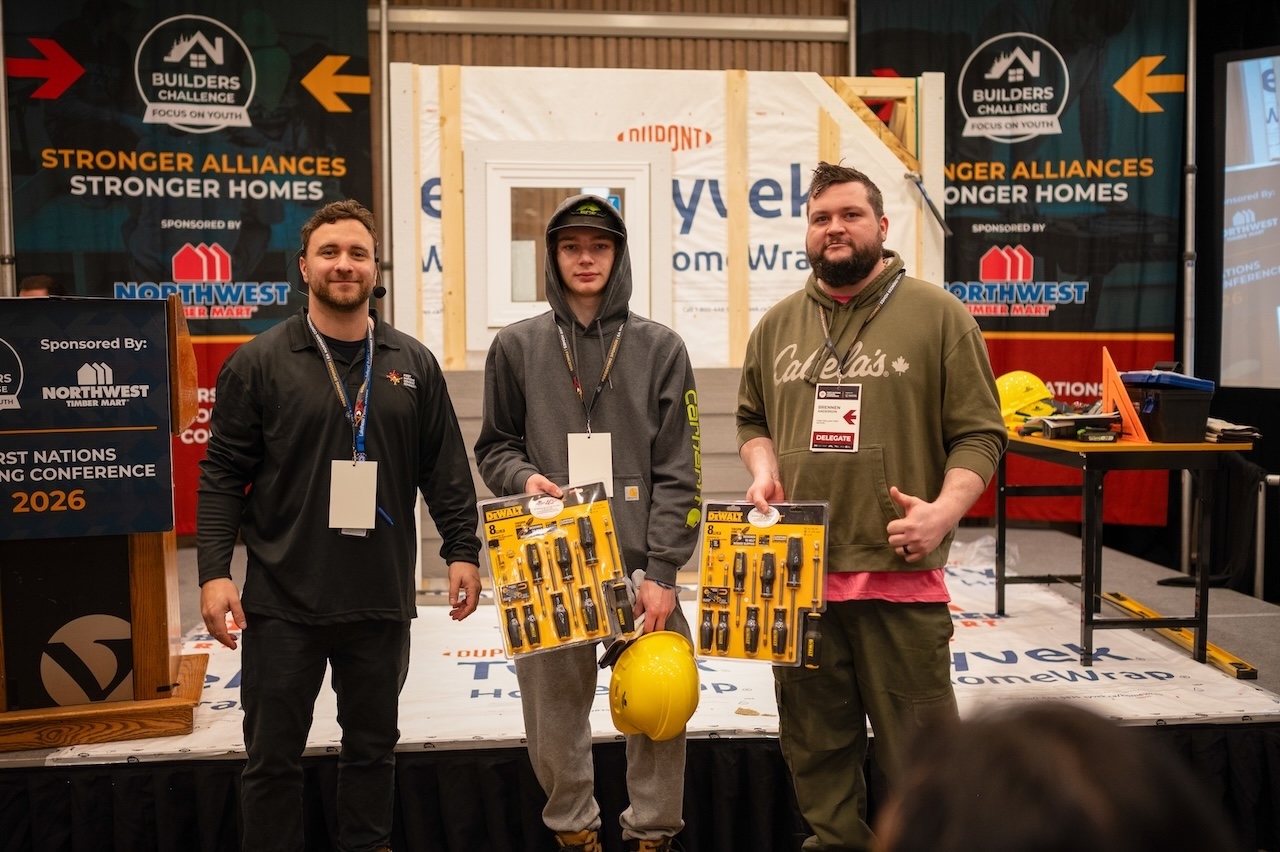
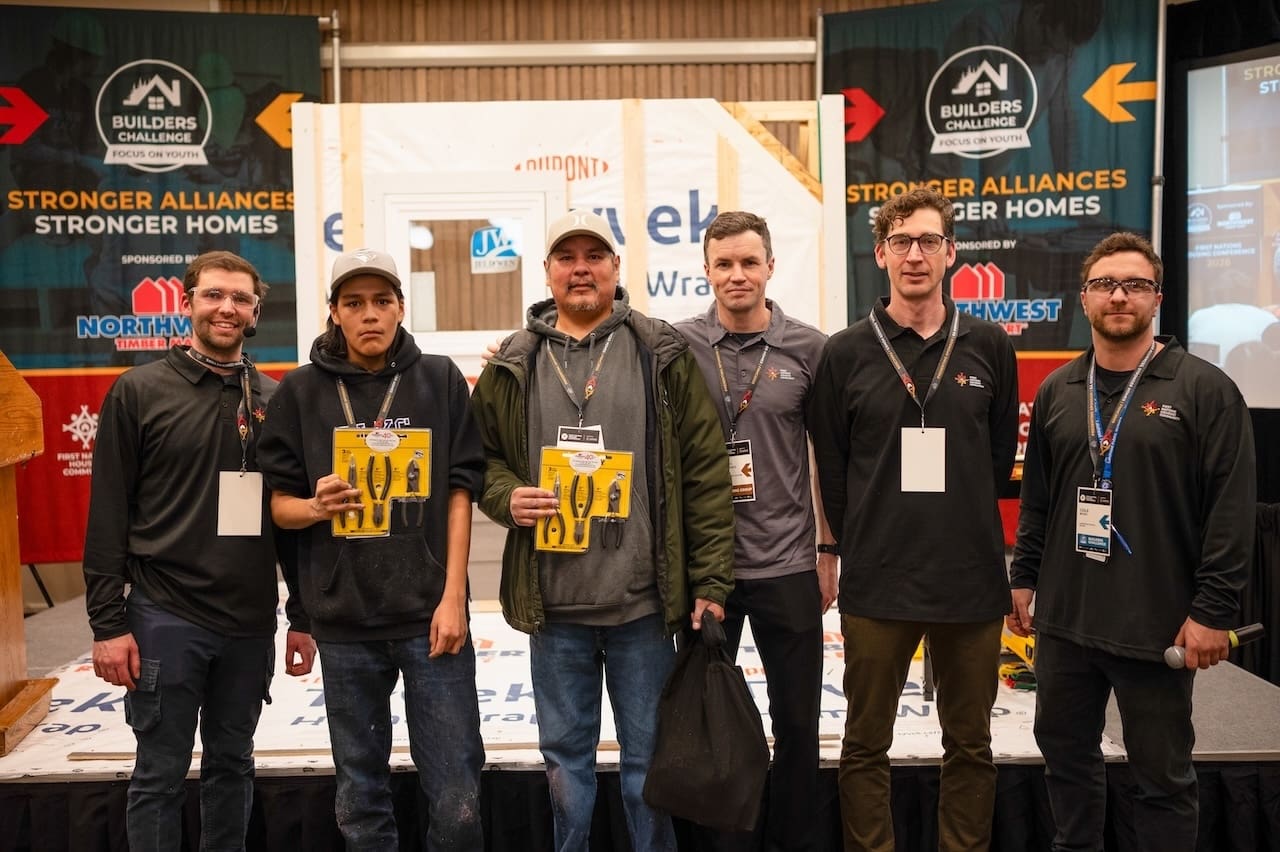
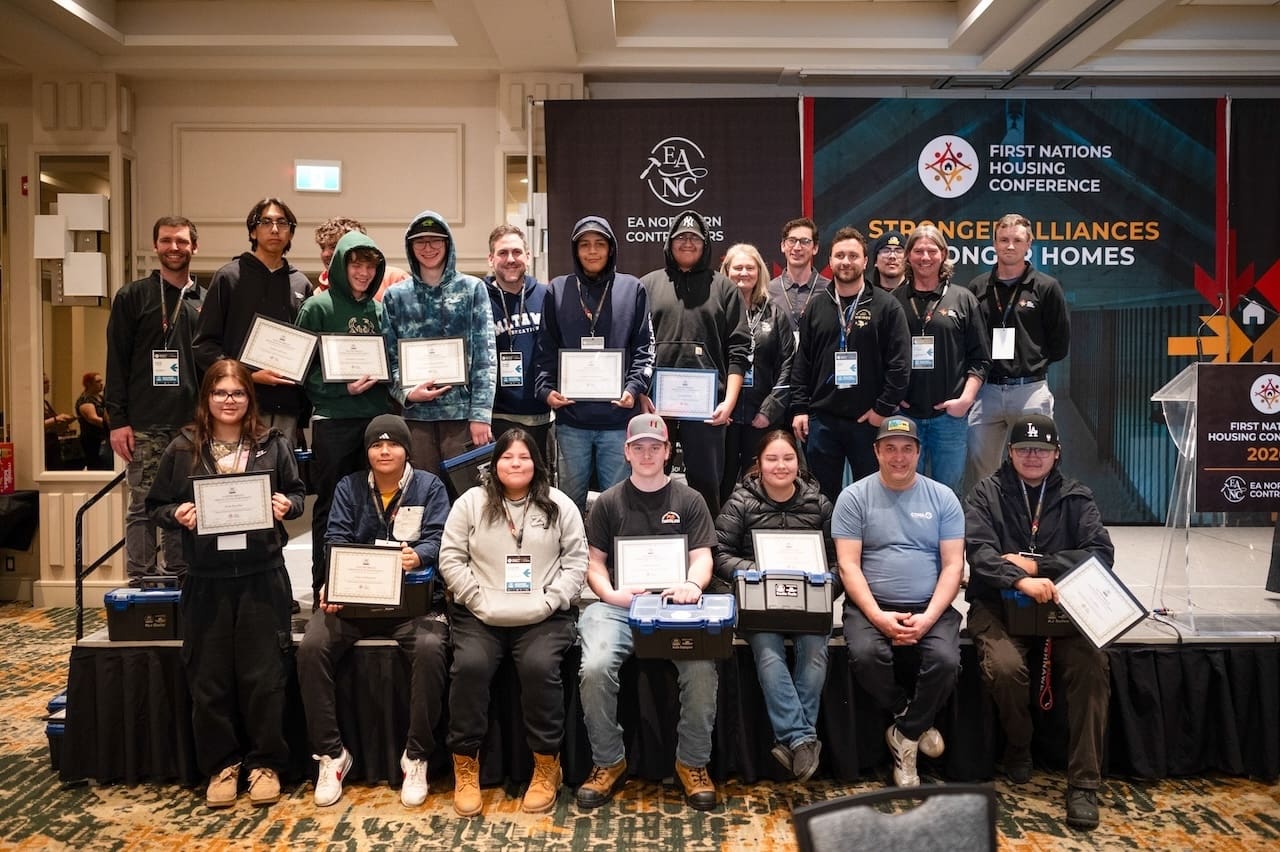
The session recognized the teamwork, dedication, and technical skills demonstrated by youth participants. The program concluded with a recognition ceremony, where participation certificates were presented in celebration of their commitment and accomplishments.
For those that attended the event, you can request a copy of the presentations from info@firstnationshousingcommunity.com
COMMUNITY HOUSING RECOGNITION AWARDS
Recognizing Collaboration, Celebrating Stronger Homes
The 23nd Annual First Nations Housing Conference was held on February 25th, 2026, at the Valhalla Inn in Thunder Bay, Ontario.
We were proud to celebrate achievements in housing, recognizing award winners from across Canada. THANK YOU to the delegates that came from across Ontario and Canada to participate in FNHC 2026. The delegates are the reason this Conference has been such a success for the past 22 years! Miigwetch.
CONGRATULATIONS
Community Housing Recognition Award Winners 2026
- Fort Albany First Nation
- Iskatewizaagegan # 39 Independent First Nation
- Kitchenuhmaykoosib Inninuwug First Nation
- Marten Falls First Nation
- Missanabie Cree First Nation
- Musk-Kosiminiziibing (Big Grassy River First Nation)
- Niisaachewan Anishinaabe Nation
- Tsawout First Nation
- Waabnoong Bemjiwang Association Of First Nations
- Jon Eakes – Honorary Award
CHRA 2026 - WINNER
Fort Albany First Nation
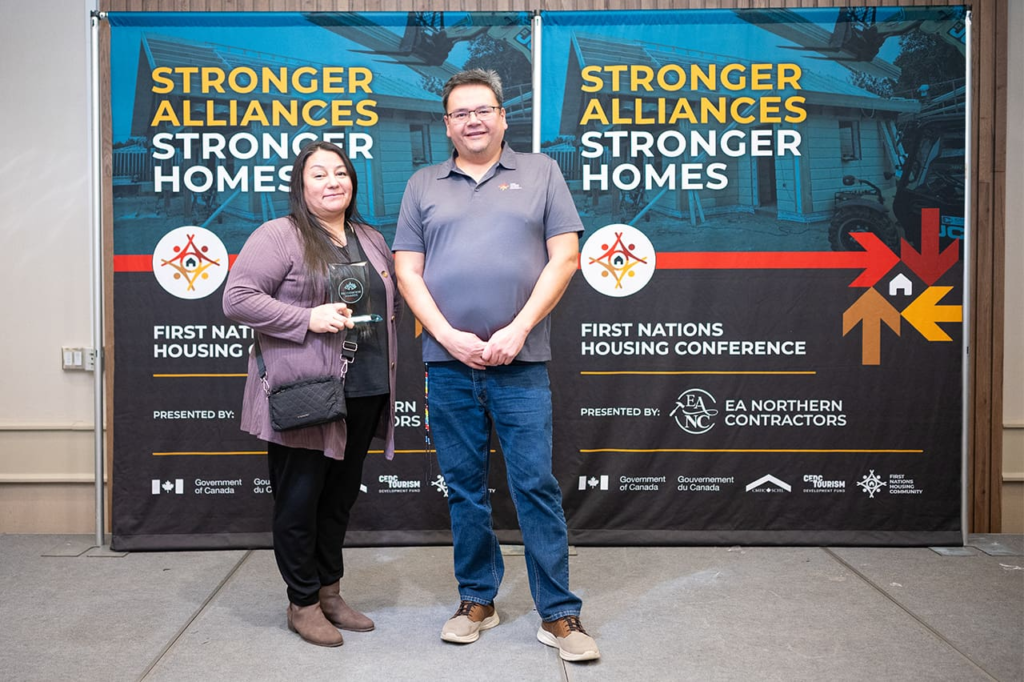
Fort Albany First Nation is a remote Cree community located along the west coast of James Bay in Northern Ontario. Guided by a strong commitment to safety, healing, and community care, the Nation has advanced the NeeKeeNan initiative to support women and children facing violence and instability. Developed on a 100-acre property in Timmins, the project is grounded in land-based support, cultural teachings, and community-led care.
NeeKeeNan was designed as a continuum of care, recognizing that when women and children leave harmful situations, the next step must offer more than temporary shelter. It must provide dignity, stability, and a supported path forward that reflects long-term wellbeing.
The initiative includes two integrated components. NeeKeeNan – Women’s Shelter will provide 24/7 emergency shelter for women aged 16 and older and their children fleeing domestic, emotional, physical, or sexual abuse. Residents will have access to a crisis line and referrals to legal, housing, counselling, and community services. The shelter is expected to be operational by early 2026.
The second phase, NeeKeeNan Transitional Housing, offers longer-term supportive housing following an emergency shelter stay. The development includes seven units—four two-bedroom homes and three three-bedroom homes – with planned stays of 18 to 24 months, supporting families as they rebuild stability.
Supported by NICHI for the shelter and funding from the Canada Mortgage and Housing Corporation and Indigenous Services Canada for transitional housing, NeeKeeNan represents more than housing. It is a lasting commitment to safety, healing, and a stronger future.
CONGRATULATIONS TO FORT ALBANY FIRST NATION!
CHRA 2026 - WINNER
Iskatewizaagegan # 39 Independent First Nation
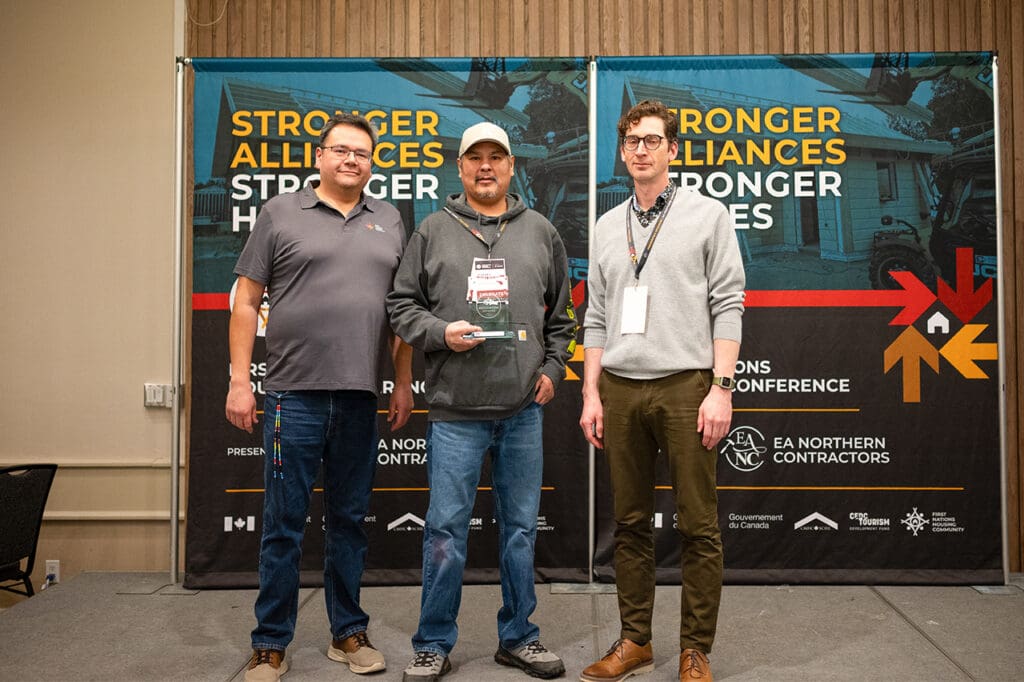
Iskatewizaagegan No. 39 Independent First Nation is demonstrating what is possible when housing is guided by strong leadership, respect for the land, and a vision for future generations. Through the Land, Leadership & Legacy: First Nations Timber Home Project, the community delivered four new three-bedroom family homes, each with a full basement, including one fully accessible unit with a walk-out design.
What sets this project apart is both what was built and how it was built. The homes combine locally milled wood with high-performance Quik-Therm Structural Insulated Panels and CNC-engineered timber systems from Cornerstone Timberframes. This approach delivers energy-efficient, durable housing while reducing waste and long-term environmental impact.
The project was led by WAASA Indigenous Construction Services, an Indigenous-owned general contractor coordinating regional trades, partners, and community engagement. Prefabrication and off-site fitting reduced construction timelines, minimized land disturbance, and created predictable opportunities for local training and employment.
The homes were intentionally designed to address northern housing challenges, supporting healthier indoor air quality, reduced mold risk, and lower operating costs. Warm, quiet, and low maintenance, they provide resilient living environments for families.
With oversight and cultural guidance from Housing Director Jeffrey Mandamin, alongside Chief and Council, the project reflects community-driven decision-making at every stage. Ultimately, it stands as a clear expression of self-determination—building stronger homes, stronger skills, and a stronger future for Iskatewizaagegan No. 39.
CONGRATULATIONS TO ISKATEWIZAAGEGAN NO. 39 Independent FIRST NATION!
CHRA 2026 - WINNER
Kitchenuhmaykoosib Inninuwug First Nation

Kitchenuhmaykoosib Inninuwug First Nation (KI), also known as Big Trout Lake, is a remote, fly-in Anishinaabe community located in Northwestern Ontario. Accessible primarily by air, the community’s way of life is deeply connected to land, water, language, and collective responsibility. Northern conditions, seasonal access, and transportation constraints create significant challenges for housing delivery, where materials, labour, and timelines must be carefully planned and coordinated.
The award-winning Kitchenuhmaykoosib Inninuwug 35 Home Project reflects determined leadership and strong partnerships responding to urgent housing needs. The project delivered 35 Bison Modular homes while preparing serviced housing sites in the mainland area. Modular construction was selected as a practical solution, allowing much of the building process to occur off-site, reducing on-the-ground construction time and improving efficiency in a remote northern context.
The community moved swiftly from planning to implementation while maintaining consistent construction quality. Transporting and installing modular homes in a fly-in community required extensive coordination, demonstrating the project’s logistical strength and collaborative planning.
The project is supported through partnerships with Chief and Council, Indigenous Services Canada, and the Canada Mortgage and Housing Corporation’s Rapid Housing Initiative, a program designed to accelerate housing delivery in communities with urgent need.
Beyond increasing housing supply, the new homes reduce overcrowding, improve living conditions, and support community stability—creating safe, durable homes that allow members to remain connected to culture, family, and community life.
CONGRATULATIONS TO KITCHENUHMAYKOOSIB INNINUWUG FIRST NATION!
CHRA 2026 - WINNER
Marten Falls First Nation
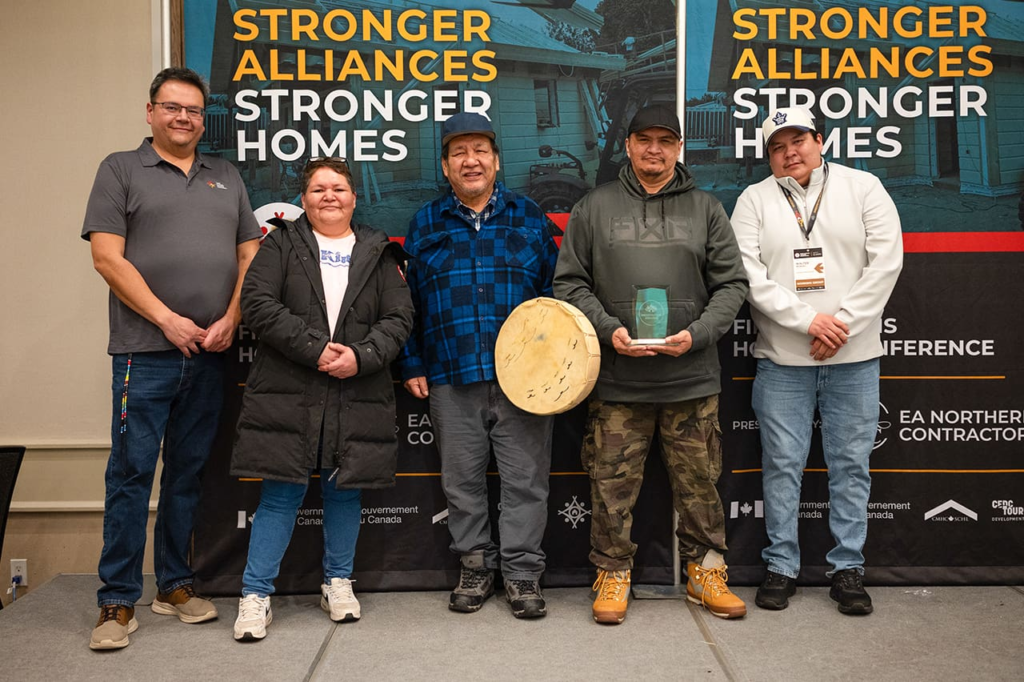
Marten Falls First Nation is a remote northern First Nation in Ontario, located at the confluence of the Albany and Ogoki Rivers. As a fly-in community, Marten Falls faces ongoing housing pressures shaped by overcrowding, short construction seasons, high transportation costs, and complex logistics that affect health, safety, and overall community wellbeing.
The 2026 Housing Recognition Award recognizes Marten Falls First Nation for the completion of two 6-Flex housing units, a meaningful step toward expanding access to safe, stable homes. Designed to deliver multiple units within a single footprint, the 6-Flex model increases housing supply efficiently while supporting neighbourhood cohesion and proximity to essential services.
Community leadership played a central role in advancing the project from planning through completion. Chief and Council, housing staff, community members, and project partners worked collaboratively to coordinate materials, labour, and timelines within a challenging northern context. This coordinated approach was essential to delivering quality housing within limited seasonal windows.
The impact of the project extends beyond the two completed buildings. Marten Falls First Nation has received approval for an additional 6-Flex development and a 4-Flex project, demonstrating sustained momentum and a long-term commitment to scalable housing solutions that respond to community need.
Together, these developments are creating tangible change. Families are gaining access to safer living conditions, overcrowding pressures are being reduced, and the foundation for healthier community life is being strengthened.
CONGRATULATIONS TO MARTEN FALLS FIRST NATION!
CHRA 2026 - WINNER
Missanabie Cree First Nation
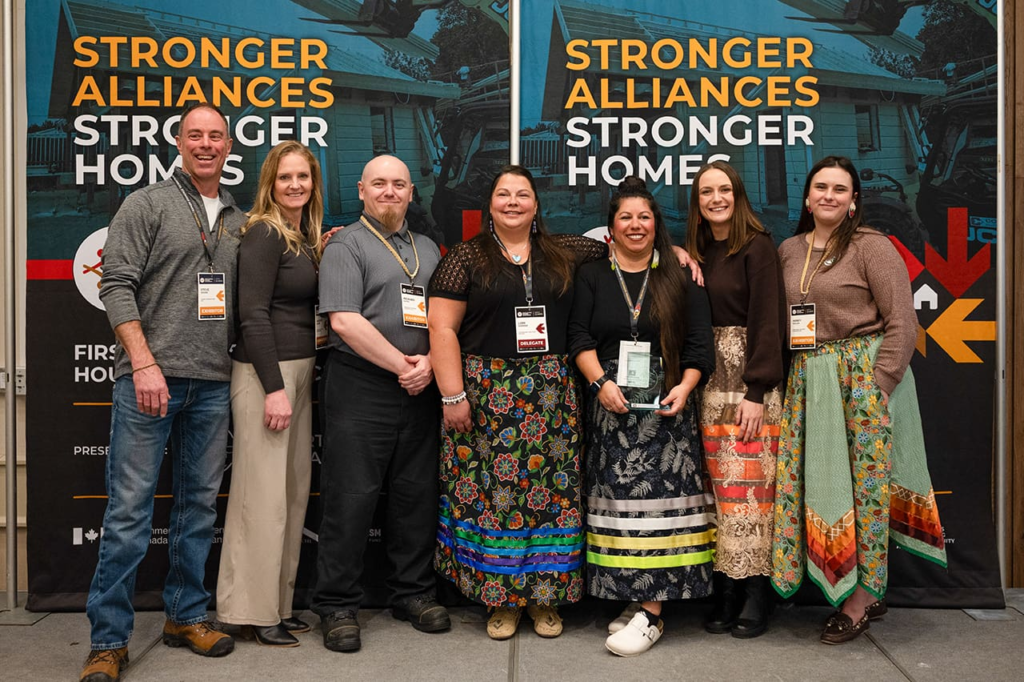
Missanabie Cree First Nation is a Northern Ontario First Nation located within its traditional territory near Lake Superior, between Chapleau and Wawa. Deeply connected to land, culture, and community, they have been working to re-establish their presence after decades of displacement. Housing plays a critical role in this return, providing not only shelter but a foundation for healing, reconnection, and self-determination.
The award-winning Missanabie Cree First Nation Resettlement Housing Project marks a significant milestone in this journey. Completed in 2025, the project delivered six culturally appropriate, energy-efficient homes on traditional territory. It represents the first major residential development following the finalization of the Nation’s land settlement agreement, symbolizing return, renewal, and progress.
The development includes a mix of housing types to meet diverse needs: two 1,300-sq ft three-bedroom homes, two 1,300-sq ft two-bedroom homes, and a duplex consisting of one three-bedroom and one two-bedroom unit. This balanced design supports families, individuals, and multigenerational households.
A defining feature of the project is the use of Thermolog construction, selected for durability, energy efficiency, and long-term affordability. Thermolog homes reduce utility costs while supporting sustainable building practices and environmental stewardship.
Community involvement was central throughout the project. Members participated in site visits and hands-on activities during construction, fostering pride and ownership. Through One Bowl Housing Corporation, community members also gained training and safety certifications, strengthening local capacity, resulting in housing that restores presence on the land and strengthens wellbeing.
CONGRATULATIONS TO MISSANABIE CREE FIRST NATION!
CHRA 2026 - WINNER
Musk-Kosiminiziibing (Big Grassy River First Nation)
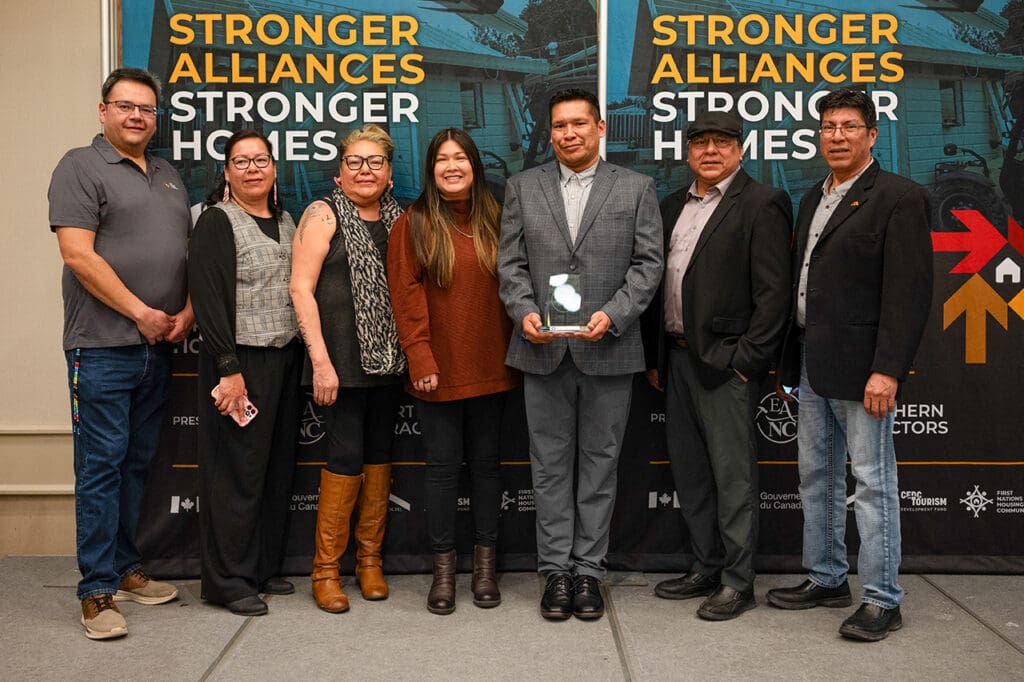
Musk-kosiminiziibing (Big Grassy First Nation) is an Anishinaabe community located in Northwestern Ontario near the Ontario–Manitoba border, along the shores of Lake of the Woods. Like many northern First Nations, the community faces ongoing housing pressures, where limited housing supply means the loss or deterioration of even a single home can have significant impacts on families and overall housing stability.
This award recognizes Musk-kosiminiziibing for its Housing Gaps Fund Housing Project, an initiative focused on restoring and replacing critical on-reserve housing to address urgent needs. The project included the full reconstruction of one home following total fire damage, as well as major renovations to a second home that was partially saved through timely emergency response. These efforts restored safe living conditions for affected families during a period of crisis.
In addition, the project supported the replacement of three aging trailer units that were no longer suitable for habitation due to advanced deterioration. Replacing these units helped maintain access to safe principal residences, particularly for vulnerable and low-income households, while strengthening the overall housing stock.
A key strength of the initiative is its coordinated delivery. Housing Gaps Fund support was combined with funding from the On-Reserve Renovations – Strategic Approach, aligning new construction and renovations with the First Nations Housing and Related Infrastructure Strategy.
The project demonstrates how preparedness, collaboration, and strategic investment can restore housing stability and strengthen community resilience.
CONGRATULATIONS TO Musk-KOSIMINIZIIBING (BIG GRASSY FIRST NATION)
CHRA 2026 - WINNER
Niisaachewan Anishinaabe Nation
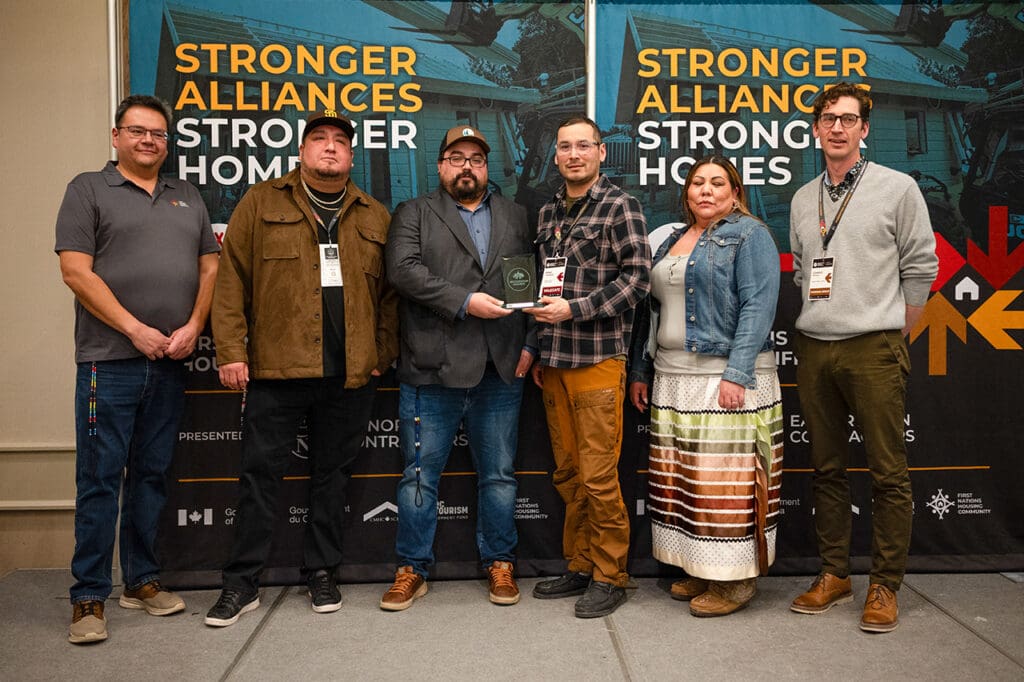
Located approximately 27 kilometers northwest of Kenora, Ontario, Niisaachewan Anishinaabe Nation (formerly known as Dalles First Nation) is an Anishinaabe/Ojibway community with a strong connection to land, water, and collective wellbeing. Like many First Nations, Niisaachewan has experienced increasing housing pressures driven by overcrowding, limited available lots, and the high cost of servicing new land. In response, the community has taken a practical and forward-looking approach to plan for sustainable housing growth.
The award-winning Niisaachewan Anishinaabe Nation Micro-Subdivision Development Project advances an innovative micro-subdivision model designed to create smaller, serviceable residential lots when conventional expansion options are constrained. By maximizing existing infrastructure and land, the project unlocks new housing opportunities while supporting responsible, long-term growth within the community.
At the core of the project is the extension of communal water and wastewater servicing, enabling future homes to be built closer to the community core and essential services. Engineering plans outline the work required to make the lots build-ready, including site grading, construction of a granular roadway and turnaround, drainage features, and the installation of water, sewer, and hydro infrastructure to each residential lot.
Guided by community leadership and supported by technical partners, including Bimose Tribal Council, the project moved forward through environmental review processes confirming no significant adverse effects. By creating serviced residential lots, the project lays a strong foundation for families to build homes within their own community, easing overcrowding and strengthening long-term housing stability.
CONGRATULATIONS TO NIISAACHEWAN ANISHINAABE NATION!
CHRA 2026 - WINNER
Tsawout First Nation
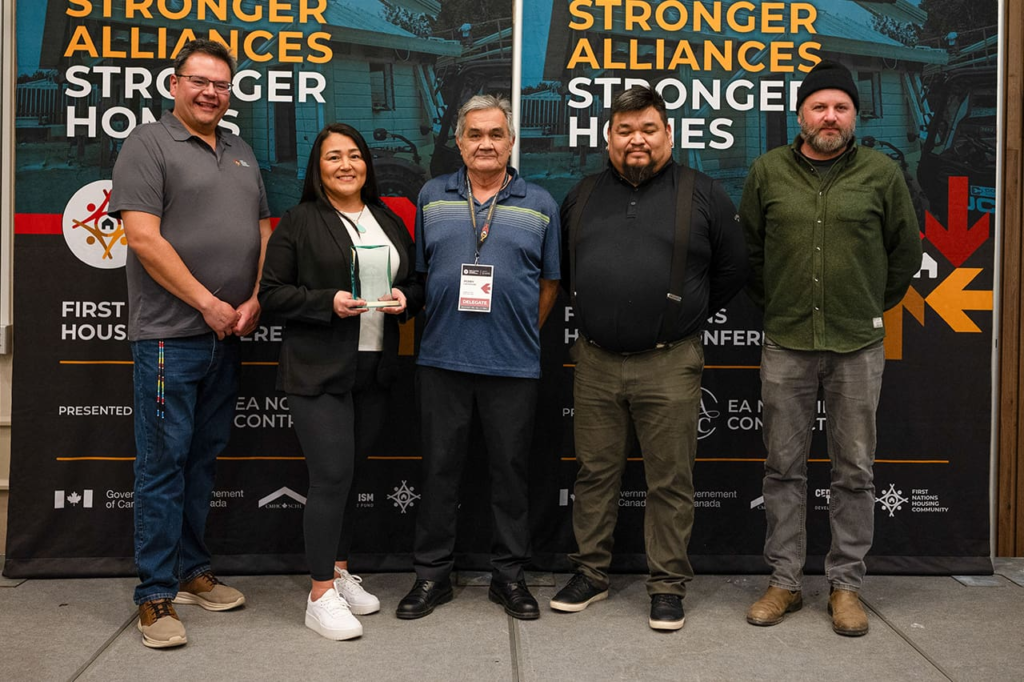
Tsawout First Nation is a WSÁNEĆ community located on the Saanich Peninsula near Saanichton, British Columbia. Guided by culture, belonging, and long-term vision, Tsawout continues to advance housing solutions that support community wellbeing while creating stability for future generations.
This year’s award recognizes Tsawout’s Multiplex Housing Project, a long-awaited, community-driven initiative that delivers 56 new homes for families, Elders, and single members. Developed as part of Tsawout’s Progressive Housing Strategy, the project responds to long-standing housing shortages by creating safe, high-quality homes that allow members to live and remain connected within their community.
The design of the multiplex reflects cultural values and community identity. Inspired by Coast Salish architectural principles, the development emphasizes shared spaces, walkable pathways, and a strong sense of place. These features encourage connection, support daily interaction, and create an environment where children, families, and Elders feel safe and supported.
Environmental responsibility and long-term affordability are central to the project. Durable, low-maintenance materials were selected to support longevity, while thoughtful site planning, native landscaping, and energy-efficient design features help reduce operating costs and environmental impact over time.
Led by Chief and Council, housing staff, and trusted partners, the Multiplex Housing Project represents a major step forward in addressing housing need. It stands as a strong example of community-led housing that balances cultural integrity, sustainability, and practical delivery.
CONGRATULATIONS TO TSAWOUT FIRST NATION!
CHRA 2026 - WINNER
Waabnoong Bemjiwang Association Of First Nations

Waabnoong Bemjiwang Association of First Nations (WBAFN) is a regional tribal council located in Northeastern Ontario, representing several First Nations through shared planning, technical support, and community-driven initiatives. Like many First Nations, WBAFN and its partner communities face ongoing housing pressures, including limited land availability, infrastructure constraints, and the need for housing options that are both affordable and appropriate for diverse household needs.
This award recognizes WBAFN’s community-driven Micro-Subdivision Housing Initiative, a coordinated effort involving Wahnapitae First Nation, Nipissing First Nation, Dokis First Nation, and Henvey Inlet First Nation. Together, the communities are advancing a shared four-year plan to develop micro-subdivisions, each creating 20 serviced residential micro-lots designed to support mini homes ranging from approximately 400 to 1,000 square feet.
A key strength of the initiative is its focus on fully serviced developments tailored to local conditions. Servicing includes water and wastewater solutions, hydro, communications, and safe road access, ensuring that each micro-lot is build-ready and suitable for long-term residential use. These smaller, serviced lots create attainable housing opportunities for Elders, single individuals, and households facing barriers to traditional housing.
The project is being delivered through phases, beginning with feasibility and planning, followed by design and preparation, and moving into construction. Development will occur in manageable phases over four years, allowing communities to sustainably grow housing supply.
At its core, this initiative expands housing options, strengthens stability, and creates realistic pathways home – one serviced micro-lot at a time.
CONGRATULATIONS TO WAABNOONG BEMJIWANG ASSOCIATION OF FIRST NATIONS!
CHRA 2026 - WINNER
Jon Eakes Honorary Award
The First Nations Community Housing Recognition Awards 2026 proudly honour an individual whose contribution has shaped learning, leadership, and housing excellence across this conference for many years.
Jon Eakes is a respected builder, educator, and communicator across Canada, known for making complex housing knowledge practical and easy to apply.
Over many years, Jon brought clarity, trust, and a generous sharing of knowledge to the First Nations Housing Conference – helping strengthen skills that support safer, stronger homes.
As Master of Ceremonies, Jon served as a steady and trusted voice – guiding conversations with respect, warmth, and a strong understanding of community-led housing.
Through the Builders Challenge, Jon helped spotlight skill development, youth leadership, and the importance of hands-on learning – encouraging confidence, teamwork, and pride.
His commitment was never about recognition – it was about showing up, sharing knowledge, and supporting communities in building capacity for the future.
We proudly present the Honorary Award to Jon Eakes, in recognition of his lasting contribution to housing, learning, and community.
Congratulations!
BUILDERS CHALLENGE - FOCUS ON YOUTH
The Builders Challenge returned to the First Nations Housing Conference 2026 with its Focus on Youth, bringing together 15 students from Hammarskjold High School, Nipigon-Red Rock District High School, and Matawa Education & Care Centre for a three-day hands-on experience in exterior siding.
As part of the event, the youth received practical training in installing flashing, trim, and lap siding boards from Cole Moro and Kyle Trodd of the Indigenous Skilled Trades Training Program. The training prepared the youth to team up with conference delegates to complete the Exterior siding challenges following the live demonstrations by the presenters.
The event concluded with a recap of sessions and recognition of youth, who were presented with participation certificates and toolkits to acknowledge their involvement in the Builders Challenge: Focus on Youth.
Builders Challenge - Focus on Youth


EXHIBITORS
An All-Day Showcase of Housing Solutions
The FNHC 2026 Tradeshow brought together industry partners, innovators, and solution providers working to support First Nations housing. Delegates had the opportunity to connect directly with exhibitors, explore practical tools and technologies, and learn about new approaches shaping housing across First Nations communities.
Throughout the day, the tradeshow served as a hub for conversation, collaboration, and discovery where housing experts could ask questions, share experiences, and explore solutions designed to strengthen housing capacity.
- Shore Contracting Inc.
- One Bowl Housing Corporation
- WoodWorks
- Northwest Timber Mart
- EA Northern Contractors
- First Nations Housing Community
- J.L. Richards & Associates Limited
- Triodetic
- FormStudio Architects Inc.
- BFL Canada Risk and Insurance Services Inc.
- Bison Modular
- TIPI Insurance Partners – Ontario
- CARST/C-NRPP
- Ontario Aviation, Forest Fire and Emergency Services; FireSmart Canada
- Orkin Canada
- 1Northern Shield Development Corp
- Bison Piling & Excavation
- Homes by Semple Enterprises Inc.
- Homes by Semple Enterprises Inc.
- Electrical Safety Authority
- ARTSPAN Inc.
- First Nations Finance Authority
- Best Buy Homes
- Cornerstone Timberframes
- Maibec Inc
- Lakehead Ironworks
- Mac-Tower Inc.
- Modular Building Solutions
- Modular Building Solutions
- Olympic Building Centre
- ModBox Modular
- Vipco Industries Ltd.
- North Star Air
- got mold?™
- North Shore Quality Homes
- Hydro One Remotes
- McMunn And Yates Building Supplies
- TIM-BR-FAB Industries
- Strategic, Healthy, Ecological, Design Ltd.
- TD Bank
- Flash Wildfire Services
- Ontario Building Officials Association (OBOA)
- Spruce River Construction Management & Engineering
- EBS Geostructural Inc.
- Better Building Solutions
- Springhill Lumber Wholesale Ltd
- Dream Builders Construction Services
- Sportop Marketing
- Climate Insight
- Smart Modular Canada
- Sigfusson Northern
- Waasa Indigenous Services Inc.
- MarKat Construction & Electrical Services/Kateri
- Matix Lumber Inc.
- CLEAResult
- Ishkoday
- Collier Project Leaders
- Environmental Public Health – Indigenous Services Canada
- Nishnawbe Aski Nation
- Canada Mortgage and Housing Corporation (CMHC)
- Indigenous Services Canada (ISC)
- Codes Canada
- VersaPile, Inc.
- Independent First Nations Alliance (IFNA)
- Oshki-Pimache-O-Win: The Wenjack Education Institute
- Abenaki Associates
- Ecotrust Canada
- Mistik North Inc
- First Nations Housing Professionals Association
- ECO Canada
- Nor-Fab Homes
- Royal Homes
- First Nations Market Housing Fund
MEDIA
The First Nations Housing Conference has been a national conference since 2003 and is now the largest of its kind 23 years later. There has been extensive coverage of these events over a multitude of media platforms online. We have collected this coverage and showcased the videos below for your convenience.
TV:
Web:
Press release:
Radio:
FUNDERS 2026



SPONSORS 2026
Foreman Sponsor

EA Northern Contractors
Indigenous Owned and Operated Construction Business
Master Sponsor

Builders Challenge Sponsor

Tradesman Sponsor

Apprentice Sponsors
Technology Partner